





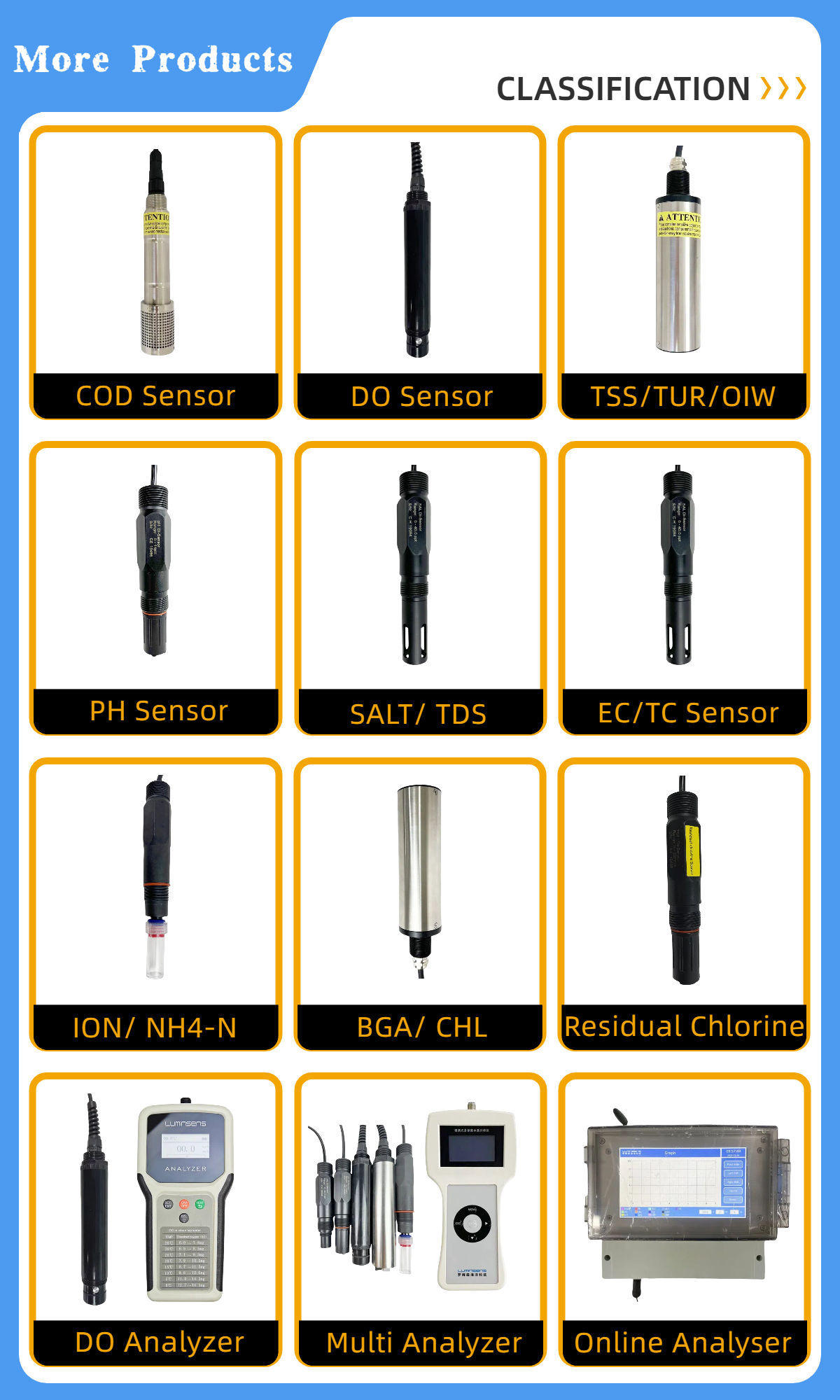
- Multi-parameter Water Analyzer
- Single-Parameter Water Aalyzer
- DO Sensor
- Trace DO Sensor
- CO₂ Sensor
- COD Sensor
- EC TDS Sensor
- Salinity EC TDS Sensor
- TSS Sensor
- Turbidity Sensor
- PH Sensor
- ORP
- Ion Selective Sensor
- Ammonia Nitrogen Sensor
- Oil in Water Sensor
- Blue-Green Algae Sensor
- Chlorophyll Sensor
- Residual Chlorine Sensor
- Marine Current Sensor
0102030405


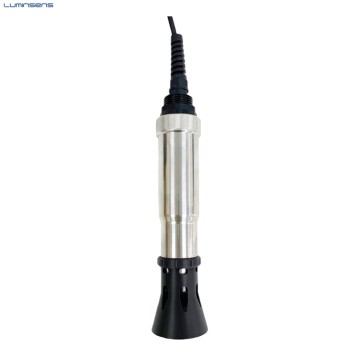
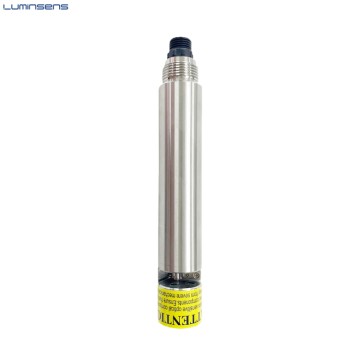
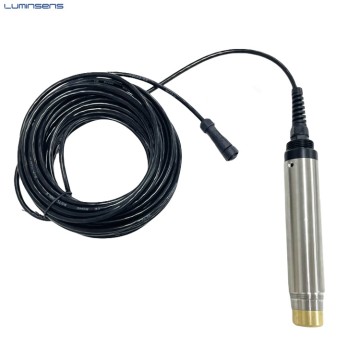
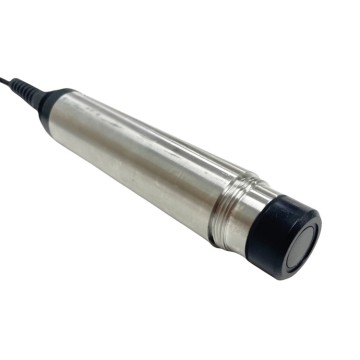
90° Infrared Light Scattering Turbidity Sensor from China Suppliers - Reliable Water Quality Analysis Factory Solution
Product Parameters
| Parameter | Specification |
|---|---|
| Product Name | Turbidity Sensor |
| Measurement method | 90°light scattering method |
| Range | 0-100NTU / 0-3000NTU |
| Accuracy | Less than ±10% of measured value (depending on sludge homogeneity) or 10mg/L, whichever is greater |
| Power | 9-24VDC (Recommend 12 VDC) |
| Size | 50mm * 200mm |
| Material | 316L Stainless Steel |
| Output | RS-485, MODBUS protocol |
Product Features
Feature 01
90° Infrared Scattering Technology
Adhering to optical engineering standards, the sensor ensures high-precision turbidity measurements by minimizing chromaticity interference and ambient light effects.
Feature 02
Sunlight-Resistant Design
Advanced fiber-optic light paths and temperature compensation algorithms enable stable performance under direct sunlight, ideal for outdoor or open-air installations.
Feature 03
Compact & Low Maintenance
With a <5 cm proximity requirement to obstacles and minimal calibration volume (30 mL), it simplifies integration into tanks, pipelines, or portable systems.
Feature 04
Anti-Corrosion Construction
The 316L stainless steel housing withstands aggressive chemical environments, ensuring long-term reliability in industrial or marine applications.
Feature 05
Drift-Free Performance
Proprietary software algorithms and precision optics reduce signal drift, guaranteeing consistent accuracy across fluctuating conditions.
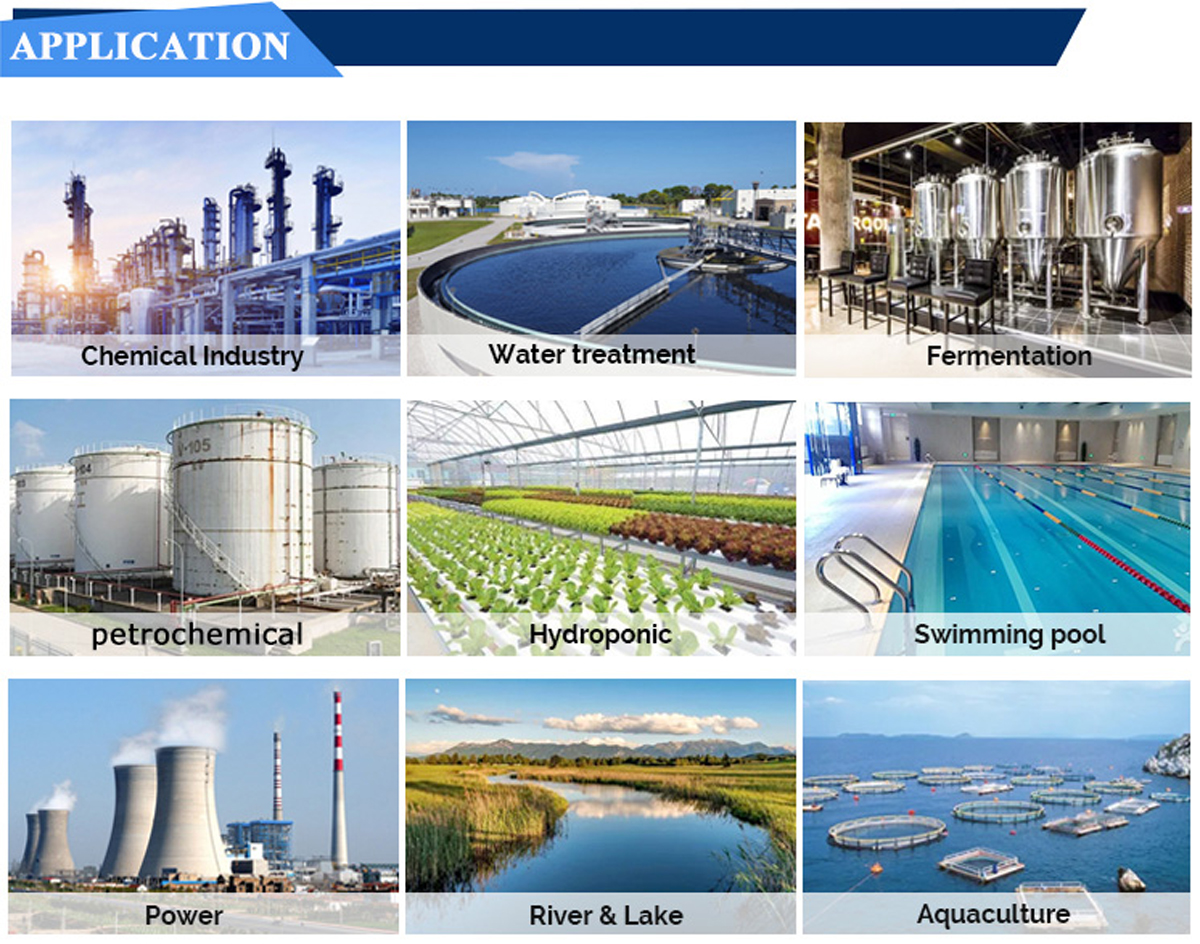
Applications
1
Wastewater Treatment Plants
Monitor turbidity in real time to optimize filtration, sedimentation, and discharge compliance.
2
Environmental Monitoring
Deploy in rivers, lakes, or reservoirs to track sediment levels and pollution events.
3
Drinking Water Systems
Ensure water clarity by detecting suspended particles in treatment facilities or distribution networks.
4
Aquaculture Management
Maintain optimal water quality for aquatic health by preventing excessive turbidity.
5
Industrial Process Control
Integrate into chemical or pharmaceutical processes to ensure product quality and regulatory adherence.
6
Mining & Construction
Monitor runoff water turbidity to meet environmental regulations and mitigate risks of sediment-related pollution in surrounding ecosystems.
7
Research & Laboratories
Support scientific studies on water clarity, sediment dynamics, and pollution modeling with high-precision turbidity data.
Digital RS485 Water Quality Sensors Technical Data
| Parameter | Model | Range | Accuracy |
|---|---|---|---|
| DO sensor | LMS-DO10B | 0-20mg/L, 0-60℃ | ±0.1-0.3mg/L |
| DO sensor | LMS-DO10C | 0-20mg/L, 0-60℃ | ±0.3mg/L |
| Trace DO sensor | LMS-TDO100 | 0-2000ppb, 0-50℃ | ±1ppb |
| PH sensor | LMS-PH100 | 0-14pH | ±0.02pH |
| ORP sensor | LMS-ORP100 | ±1000.0 mV | ±0.2 mV |
| EC/TDS sensor | LMS-TDS102 | CT: 0-9999uS/cm; 0-100mS/cm; TDS: 0-10000ppm |
±2.5%FS |
| Salinity/EC/TDS sensor | LMS-SAL104 | Conductivity: 0.1-500 mS/cm TDS:0-60000ppm Salinity: 0-500.00ppt |
±1.5%FS |
| COD sensor | LMS-COD100 | COD:0.1-1500mg/L TOC:0.1-750mg/L BOD:0.1-900mg/L Turbidity: 0.1-4000NTU Temperature range: 0-50 ℃ |
±5% equiv.KHP Temperature: ± 0.5 ℃ |
| TSS sensor | LMS-TSS100 | 0-50000mg/L/ 0-120000mg/L | ±10%FS or 10 mg/L |
| Turbidity sensor | LMS-TUR10L | 0-100NTU | ±10%FS or 0.3 NTU |
| Turbidity sensor | LMS-TUR10H | 0-3000NTU | ±10%FS or 0.3 NTU |
| CO2 sensor | LMS-CO2100 | 2000PPM/10000PPM/50000PPM | ±5%FS |
| Ammonia Nitrogen sensor | LMS-NH4100 | 0-1000 mg/L | ±5%FS |
| Ion Selective sensor | LMS-ION100 | 0-1000 mg/L | ±5%FS |
| Oil in Water sensor | LMS-OIL100 | 0-50 mg/L ; 0-5 mg/L | ±3%FS |
| Chlorophyll sensor | LMS-CHL100 | 0-500ug/L | ±3%FS |
| Blue-Green Algae sensor | LMS-BGA100 | 0-2000,000 cells/ml | ±3%FS |
| Residual Chlorine sensor | LMS-HCLO100 | 0 - 20.00 ppm | ±5%FS |
| Marine Current sensor | LMS-Current100 | Temperature: -3℃ - 45℃ Velocity of flow: 0-500 cm/s Flow direction: 0-359.9° |
±0.05℃ ±1 cm/s or ±2% ±2° |
Frequently Asked Questions
What is the measurement principle of this turbidity sensor?
The sensor utilizes the 90° light scattering method (infrared scattering technology). This optical engineering method ensures high-precision turbidity measurements while minimizing interference from ambient light and liquid chromaticity.
Can the turbidity sensor be used in highly corrosive environments?
Yes, the sensor housing is constructed from high-grade 316L Stainless Steel, which provides excellent anti-corrosion properties, making it highly suitable for wastewater, industrial processes, and marine applications.
What communication protocols does the sensor support?
The sensor supports RS-485 communication using the standard MODBUS protocol, allowing seamless integration with PLCs, RTUs, and environmental monitoring networks.
Does direct sunlight affect the sensor's accuracy?
No, the sensor features a sunlight-resistant design equipped with advanced fiber-optic light paths and built-in temperature compensation algorithms to ensure stable and drift-free performance under direct sunlight.
What is the power requirement and recommended voltage?
The sensor operates on a wide input range of 9-24VDC, though a stable 12VDC power supply is highly recommended for optimal performance.
How compact is the sensor and does it require a large installation volume?
The sensor is compact (50mm * 200mm) and requires very little space—needing less than 5 cm proximity to surrounding obstacles and a minimal calibration volume of only 30 mL.