More and more, our decisions about water quality are being made based on measurements taken right in the field, not just in the lab. The UN-Water World Water Development Report 2024 points out that freshwater systems are under serious pressure—thanks to climate change, farming practices, and urban growth. In fact, the WHO and UNICEF’s Joint Monitoring Programme reported that back in 2022, about 2.2 billion people still didn't have access to safe, managed drinking water. Those numbers really put into perspective why dependable, on-the-ground testing isn’t just a nice-to-have; it’s a must.
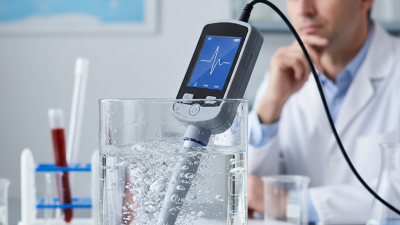
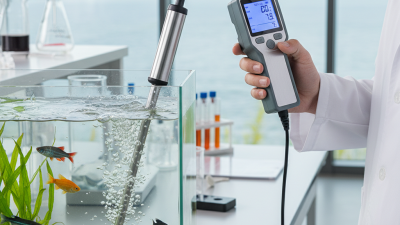
One handy device to keep an eye on is the Water Oxygen Meter. It measures dissolved oxygen, which is a pretty crucial indicator of aquatic health, wastewater treatment efficiency, fish farming, and environmental shifts. The EPA actually lists dissolved oxygen as one of the main factors to consider when assessing water quality. When you're shopping around, it’s worth comparing different sensors—optical versus electrochemical—along with features like temperature compensation, salinity correction, calibration stability, detection range, battery life, data logging, and IP-rated protection. Tiny details matter, right? A cloudy pond, a chilly sampling bottle, or even a damp connector can trip up poorly designed equipment.
When you're buying for a broader area, it’s also really important that the performance can be tracked and verified. Make sure to look for stuff like documented accuracy, clear calibration procedures, availability of replacement sensors, and reliable technical support in your region. Even though ISO 5814 sets a solid standard for measuring dissolved oxygen electrochemically, real-world conditions can still throw off readings. And hey, that cheap price tag might seem tempting, but remember—total ownership costs include things like membranes, electrolyte, maintenance, verification standards, and staff training. Our 2026 buying guide is here to help distributors, labs, farms, municipalities, and environmental teams weigh their options carefully, based on actual performance instead of just price tags. Because let’s face it, no single Water Oxygen Meter can handle every type of water, temperature, salinity, or field condition perfectly.
A Water Dissolved Oxygen Meter measures oxygen gas dissolved in water, usually in milligrams per liter or percentage saturation. It does not measure oxygen in the air above a pond. A probe detects the water’s oxygen level, while temperature, salinity, and atmospheric pressure affect the reading. According to APHA, AWWA, and WEF Standard Methods, accurate testing requires calibration, clean sensors, and enough time for the probe to stabilize.
Oxygen levels change quickly. A warm pond at dawn may show less than 4 mg/L after overnight respiration, while flowing water can exceed 8 mg/L. The U.S. Environmental Protection Agency commonly identifies about 5 mg/L as a protective reference for many aquatic communities. Levels near 2 mg/L are widely associated with hypoxic stress. These values are not universal legal limits; local conditions matter. NOAA’s recurring Gulf hypoxia assessments also show how nutrient enrichment can create large seasonal low-oxygen areas. Fish may gather near the surface, move slowly, or disappear from a stressed site. That is visible evidence, but it comes late.
When selecting a meter, I would record temperature, calibration time, water depth, and sampling location. One reading can mislead. I still question any result taken beside an aerator or recently stirred sediment. Cross-checking at dawn and afternoon often reveals the real pattern. A reliable meter supports better decisions, but it cannot explain every biological change by itself.
When comparing a water oxygen meter, start with measurement range and accuracy. Most field applications need dissolved oxygen readings from 0 to 20 mg/L, with accuracy near ±0.2 mg/L. Resolution should reach 0.01 mg/L for sensitive aquaculture and laboratory checks. Small differences matter.
NOAA identifies hypoxic water as containing less than 2 mg/L dissolved oxygen. Therefore, a meter must perform reliably near this threshold, not only in clean, oxygen-rich water. The U.S. Geological Survey National Field Manual states that temperature, salinity, and atmospheric pressure affect oxygen saturation. Choose automatic compensation for all three factors. Manual correction is possible, but it invites mistakes in busy fieldwork. I have found response time equally important. A slow probe can make a moving stream appear stable when it is not.
Calibration deserves careful attention. ISO 5814:2012 describes electrochemical methods for dissolved Oxygen Measurement, while Standard Methods for the Examination of Water and Wastewater recommends regular calibration and quality checks. Look for air-saturation calibration, zero-oxygen verification, and replaceable sensor components. Optical sensors reduce membrane maintenance, yet they still require cleaning and periodic verification. Do not trust a “maintenance-free” claim completely. Data logging, GPS records, waterproof protection, and at least eight hours of battery life improve traceability during sampling. A readable screen also matters under sunlight. Fancy connectivity is less valuable than dependable readings.
| Meter Type / Use Case | Measurement Technology | Dissolved Oxygen Range | Typical DO Accuracy | Resolution | Temperature Range and Accuracy | Calibration Requirements | Response and Maintenance | Recommended Water Applications | Key Buying Considerations |
|---|---|---|---|---|---|---|---|---|---|
| Portable Optical Meter General Field Use | Luminescent optical sensing. Measures oxygen-related luminescence changes without consuming oxygen during normal measurement. | Typically 0.00–20.00 mg/L; some configurations also support oxygen saturation from 0–200%. | Typically ±0.1 mg/L or ±1% of reading, depending on the measuring range and sensor design. | 0.01 mg/L; saturation resolution commonly 0.1%. | Commonly 0–50 °C; temperature accuracy often approximately ±0.2 °C to ±0.5 °C. | Usually requires a one-point air calibration. Zero calibration may be available for low-oxygen work. Temperature and atmospheric-pressure compensation should be automatic or user-adjustable. | Fast start-up and low routine maintenance. Optical caps typically have a limited service life and require periodic replacement according to the sensor supplier’s instructions. | Rivers, lakes, aquaculture ponds, wastewater checks, environmental surveys and general laboratory sampling. | Check waterproof rating, GPS or data logging, screen readability in sunlight, sensor cable length, battery runtime and availability of replacement optical caps. |
| Portable Polarographic Meter High-Accuracy Sampling | Polarographic membrane electrode. Oxygen diffuses through a membrane and is reduced at the cathode, producing a current proportional to oxygen concentration. | Typically 0.00–20.00 mg/L; some meters provide percentage saturation up to approximately 200%. | Typically ±0.2 mg/L or ±2% of reading, whichever is greater. | 0.01 mg/L; saturation resolution commonly 0.1%. | Commonly 0–50 °C; temperature accuracy often approximately ±0.3 °C to ±0.5 °C. | Requires regular air calibration and, when necessary, zero calibration. The membrane must remain intact, electrolyte must be maintained, and polarization time is required before measurement. | Usually slower to prepare than an optical sensor. Membranes, electrolyte and cathode surfaces require periodic inspection or replacement. Adequate water movement across the membrane is important. | Field sampling, wastewater process checks, aquaculture, teaching laboratories and applications where a conventional electrochemical method is preferred. | Compare polarization time, membrane kit availability, stirring requirements, replacement cost, cable durability and calibration stability. |
| Portable Galvanic Meter Simple Routine Testing | Galvanic membrane electrode. The electrode generates a signal without an external polarization period, but the membrane and electrolyte still affect performance. | Typically 0.00–20.00 mg/L; saturation display commonly 0–200%. | Typically ±0.2 mg/L or ±2% of reading, whichever is greater. | 0.01 mg/L. | Commonly 0–50 °C; temperature accuracy often approximately ±0.3 °C to ±0.5 °C. | Air calibration is normally required. Zero calibration can be useful for low-DO measurements. Calibration frequency depends on membrane condition, sample type and use intensity. | Minimal warm-up compared with polarographic sensors. Membrane and electrolyte replacement remain routine maintenance items. | Routine aquaculture monitoring, water-quality inspections, educational use and basic wasteWater Measurements. | Confirm whether the meter compensates for temperature, salinity, altitude and atmospheric pressure. Check the cost and availability of membrane and electrolyte kits. |
| Laboratory Benchtop Optical Meter Controlled Samples | Optical dissolved Oxygen Sensor with a benchtop controller, typically offering stable temperature control, data storage and expanded reporting functions. | Typically 0.00–20.00 mg/L; some systems provide extended percentage-saturation ranges. | Typically ±0.1 mg/L or ±1% of reading. | 0.001–0.01 mg/L, depending on the instrument configuration. | Commonly 0–50 °C; temperature accuracy often approximately ±0.1 °C to ±0.3 °C. | One-point air calibration is common. Advanced systems may support zero calibration, calibration records and user-defined calibration reminders. | Low sensor maintenance and repeatable measurements. A stable sample temperature and consistent stirring speed are important for laboratory repeatability. | Water laboratories, research, compliance testing, treatment-process development and quality-control work. | Prioritize data export, audit trails, GLP-style records, USB or wireless connectivity, electrode stand quality and compatibility with laboratory vessels. |
| Inline Process DO Transmitter Continuous Monitoring | Usually optical or electrochemical sensor connected to a fixed transmitter or process controller for continuous measurement. | Commonly 0.00–20.00 mg/L, with optional percentage-saturation output. | Typically ±0.1–0.2 mg/L or ±1–2% of reading, depending on sensor type, process conditions and calibration status. | 0.01 mg/L or better at the transmitter output. | Typical sensor operating range is 0–50 °C; process assemblies may have different pressure and temperature limits. | Calibration may be performed in air, water-saturated air or a certified reference condition. Process validation and periodic comparison with a calibrated portable meter are recommended. | Designed for long-term installation. Check fouling resistance, cleaning method, sensor replacement interval, cable length, pressure rating and installation fitting. | Activated-sludge treatment, aeration control, aquaculture systems, water reuse and industrial process-Water Monitoring. | Compare outputs such as 4–20 mA, relay, digital communication, alarm functions, automatic cleaning and enclosure or sensor ingress protection. |
| Low-Range Trace DO Meter Boiler and High-Purity Water | Specialized optical or electrochemical sensing system optimized for very low dissolved oxygen concentrations. | Typical working range may begin at 0.001 mg/L or lower and extend to approximately 20 mg/L, depending on sensor design. | Often specified as a percentage of reading at low concentration or as a fixed error in µg/L. The exact specification must be checked at the target range. | 0.001 mg/L or finer; some instruments display values in µg/L. | Often approximately 0–50 °C; high-purity applications may require tightly controlled sample temperature. | May require zero-oxygen solution, nitrogen or another validated zero reference in addition to air calibration. Strict sample handling and leak control are essential. | More sensitive to contamination, leaks, bubbles and sample exposure to air. Tubing, flow cells and seals require careful inspection. | Boiler feedwater, condensate, demineralized water, corrosion-control studies and high-purity industrial-water systems. | Review the lowest specified detection range, sample-flow requirements, pressure limits, wetted materials, temperature compensation and validation procedure. |
| Multiparameter Water Meter Broad Survey Work | DO sensor combined with temperature, pH, conductivity, salinity or depth sensors in one handheld platform. | DO channel commonly covers 0.00–20.00 mg/L; the total specification depends on the selected sensor module. | DO accuracy is commonly ±0.1–0.2 mg/L or ±1–2% of reading. Other channels have separate accuracy specifications. | DO resolution commonly 0.01 mg/L; pH, conductivity and depth resolutions vary by sensor module. | DO temperature compensation commonly covers 0–50 °C; verify the individual ranges for pH, conductivity and depth sensors. | Each channel normally requires its own calibration. DO calibration may use air, while pH and conductivity require appropriate certified standards. | Reduces the number of instruments carried in the field, but sensor connectors and the combined probe require careful cleaning and storage. | Environmental monitoring, aquaculture surveys, lakes, rivers, groundwater investigations and treatment-plant inspections. | Compare simultaneous measurement capability, sensor replacement cost, data synchronization, memory capacity, probe weight, cable length and software compatibility. |
| Submersible Data-Logging DO Probe Long-Term Deployment | Autonomous optical or electrochemical sensor with internal memory and a sealed housing for unattended deployment. | Commonly 0.00–20.00 mg/L; saturation may be recorded from 0–200%. | Typically ±0.1–0.2 mg/L or ±1–2% of reading, subject to fouling, deployment time and calibration condition. | 0.01 mg/L; logging interval may be user-configurable from seconds to hours. | Commonly 0–50 °C; depth and pressure limits must be checked separately. | Pre-deployment air calibration is common. Post-deployment verification is recommended, especially for regulatory or research data. | Battery life depends on logging interval, communications and sensor type. Anti-fouling protection, wipers or copper components may be available for extended deployments. | Rivers, lakes, reservoirs, coastal monitoring, aquaculture cages and seasonal environmental studies. | Check maximum deployment depth, battery replacement method, memory capacity, clock accuracy, anti-fouling design, retrieval options and data download method. |
Choosing the right sensor matters more than choosing the largest display. An optical dissolved oxygen sensor measures luminescence and needs little maintenance. It avoids membrane replacement and electrolyte handling. This can help in muddy ponds, aquaculture tanks, and remote water stations. However, optical caps age, and readings may drift after long storage. An electrochemical sensor responds quickly and often costs less. It requires a clean membrane, fresh electrolyte, and careful zero calibration. Errors become decisions.
The measurement method should match the water and work schedule. For grab samples, place the probe in gently moving water. Keep the sensing tip fully submerged. Do not trap air bubbles around it. Air can create a falsely high reading. Continuous monitoring needs stable mounting, data logging, and scheduled checks.
Compare results with a second instrument when fish health or treatment decisions depend on them. It feels slow. Yet this check can expose fouling, temperature errors, or poor calibration. Record temperature, salinity, pressure, time, and location with every result.
Global buyers should confirm local service, spare sensor availability, and calibration standards before ordering. Ask whether the meter compensates for temperature and salinity automatically. If not, the operator must enter these values correctly. Interfaces also matter. Wet gloves, bright sunlight, and cold conditions can make a simple menu difficult. Read the manual before trusting the first stable number. Even experienced users sometimes skip a rinse or calibration. That weakness deserves attention, not excuses.
2026 Best Water Oxygen Meter Buying Guide for Global Buyers
Matching a dissolved oxygen meter to testing conditions matters more than buying the highest specification. In a fast stream, choose a rugged probe with a short response time and strong cable protection. For tanks, ponds, and aquaculture systems, temperature compensation and stable readings are essential. NOAA defines hypoxia as dissolved oxygen below 2 mg/L, so small measurement errors can affect management decisions.
Water temperature, salinity, altitude, and pressure change oxygen saturation. The USGS National Field Manual recommends recording these factors during field measurements. A freshwater meter used near a coastal outlet may need salinity correction. At high elevation, atmospheric pressure also reduces saturation values. Check whether the instrument measures both mg/L and percent saturation. That detail is easy to overlook.
Optical sensors usually need less maintenance than membrane-based electrochemical probes. However, they may cost more and still require routine calibration checks. Look for automatic temperature compensation, waterproof construction, data logging, and a replaceable sensor cap. A lab meter may be precise but inconvenient beside a muddy pond. A handheld meter may be practical, yet its battery can fail during long surveys. There is no perfect meter. Test the actual water, not only the brochure specifications. EPA field-monitoring guidance also stresses calibration verification before sampling, a step users sometimes skip when conditions become busy.
2026 Best Water Oxygen Meter Buying Guide for Global Buyers
An Oxygen Test Meter should deliver dependable dissolved oxygen readings in changing field conditions. Choose a unit with automatic temperature, pressure, and salinity compensation. These factors can shift results noticeably. A clear display helps when sunlight reflects across a sampling boat or wetland channel. Field users also need a sealed housing, reliable buttons, and a battery that lasts through a full inspection day. Field reality is messier.
Sensor choice affects daily work. Optical sensors usually need less maintenance and avoid frequent electrolyte replacement. Electrochemical sensors can provide fast responses, but their membranes and electrolytes require careful handling. Ask whether the meter supports air-saturation and zero-point calibration. Calibration records should include date, temperature, sample location, and operator initials. Without these details, a precise number may still be difficult to defend.
Laboratory use demands stronger documentation and repeatability. Look for stable data logging, USB or wireless export, readable timestamps, and calibration reminders. A wide measurement range is useful, but resolution alone cannot guarantee accuracy. Verify the stated tolerance with reference solutions and routine checks. A rugged case helps outdoors, yet it does not replace proper cleaning. I have seen readings drift after users skipped rinsing between samples. That small mistake deserves attention. For global purchasing, confirm language options, power compatibility, replacement sensor availability, and service procedures before ordering.
Essential measurement benchmarks for field and laboratory dissolved oxygen testing
The chart shows the approximate dissolved oxygen saturation level of clean freshwater at sea level and 0 ppt salinity. Dissolved oxygen decreases as water temperature rises, so a suitable oxygen meter should provide automatic temperature compensation and cover at least approximately 0–15 mg/L. For field applications, also consider pressure and salinity compensation, while laboratory use benefits from higher resolution, stable calibration, and data logging.
2026 Best Water Oxygen Meter Buying Guide for Global Buyers
A reliable Oxygen Sensor Meter should match the standards of its destination market. Check electrical safety, electromagnetic compatibility, and material restrictions before ordering. Requirements may differ between the European Union, North America, and other regions. A familiar certificate is not always enough. Confirm its issuing body, certificate number, product model, and validity date.
For measurement confidence, request calibration records linked to an ISO/IEC 17025-accredited laboratory. The report should show dissolved oxygen points, temperature, uncertainty, and traceability. Ask whether the sensor was tested in water, not only in dry air. During a field check, compare readings in clean, air-saturated water at a stable temperature. Watch the display for drift. Small changes matter.
Supplier checks need evidence, not polished promises. Request a sample unit, user manual, spare sensor pricing, IP-rating documentation, and an EMC test report. Confirm whether the quoted certificate covers the exact model and region. Inspect the probe cable, connector seal, and battery compartment. These details often reveal manufacturing discipline. A supplier should explain membrane replacement, calibration intervals, data storage, and repair timing clearly.
I once trusted a complete-looking compliance file too quickly. The calibration scope was missing. That mistake delayed approval. Ask difficult questions early. Keep written answers and compare them with the delivered instrument.
A 2026 water oxygen meter should be judged by lifetime cost, not purchase price. NOAA’s 2024 Gulf of Mexico Hypoxia Watch report measured a 2,240-square-mile low-oxygen zone. That scale shows why dependable dissolved oxygen data matters. USGS guidance also stresses temperature compensation, proper calibration, and careful field sampling.
During a buying test, record the sensor’s calibration time, battery use, membrane replacement cost, and cleaning effort. An electrochemical Oxygen Meter Sensor often costs less initially. However, its membrane and electrolyte require regular attention. Optical sensors usually reduce routine maintenance, but their higher purchase price needs justification. Check whether the meter compensates for temperature, salinity, and pressure. A reliable data logger can prevent costly repeat visits.
Look beyond the probe. Confirm spare-part availability, calibration traceability, waterproof protection, and service support across your operating region. EPA monitoring programs show that large-scale water assessments depend on consistent, comparable measurements. In muddy ponds, biofilm can cover a sensor within days. That detail changes the real ownership cost. I would not trust a low-price meter without testing its drift after repeated cleaning cycles. That assumption can fail.
For long-term value, compare three years of ownership. Include labor, consumables, downtime, software access, and replacement probes. A slightly expensive meter may pay back through fewer failed readings. Still, optical technology is not automatically better. Its performance can weaken when coatings remain unnoticed. Field discipline matters as much as specifications.
: Choose a rugged probe with a short response time. Protect the cable and connector carefully. Fast currents can expose weak seals.
Select automatic temperature compensation and stable reading performance. A sealed housing helps near splashing water. A long-lasting battery supports full-day inspections.
Temperature, salinity, altitude, and pressure affect oxygen saturation. Record these conditions during every field measurement. A freshwater setting may be unsuitable near coastal water.
Optical sensors usually need less maintenance. They may cost more. Electrochemical sensors can respond quickly, but membranes and electrolytes need careful handling.
Look for air-saturation and zero-point calibration. Check calibration before sampling. Busy fieldwork can make this step easy to skip.
Record the date, temperature, location, and operator initials. Include calibration details and sample conditions. A precise number may still be difficult to defend.
Choose stable data logging, timestamps, and export options. Calibration reminders can reduce forgotten checks. Resolution alone does not prove accuracy.
Request a sample unit, manual, spare sensor prices, and service details. Check the exact model’s certificates and validity dates. Inspect the cable, connector seal, and battery compartment. A polished file may still hide missing information.
This 2026 buying guide explains how a Water Oxygen Meter measures dissolved oxygen in water and why accurate oxygen readings are important for aquaculture, environmental monitoring, wastewater management, and laboratory research. It reviews key specifications such as measurement range, accuracy, resolution, response time, temperature compensation, calibration requirements, and data storage. Buyers will also learn how to choose between optical and electrochemical sensors according to their testing goals, water type, sampling frequency, and operating conditions.
The guide further covers how to match a meter with field, industrial, or laboratory use, including waterproof construction, portability, display visibility, battery life, connectivity, and maintenance needs. It also outlines how to assess applicable international standards, certifications, supplier reliability, technical support, spare parts availability, total ownership cost, sensor replacement, and long-term performance. With these considerations, global buyers can select a dependable Water Oxygen Meter that delivers consistent results and practical value throughout its service life.