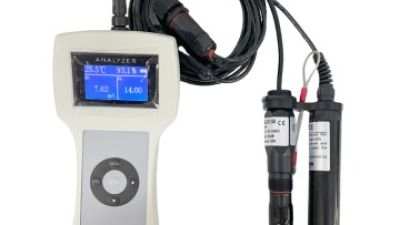
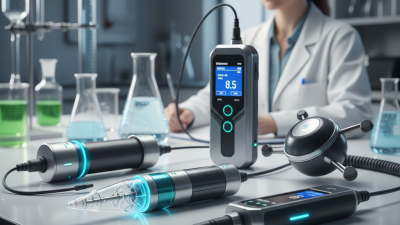
You know, Dissolved Oxygen Sensors are pretty important when it comes to keeping an eye on our environment and managing aquatic ecosystems. As more folks realize just how crucial accurate water quality measurements are, the market for these sensors is really booming worldwide. I remember hearing Dr. Emily Carter, a well-respected environmental scientist, say something like, "Getting the right dissolved oxygen readings can actually save lives—both of aquatic creatures and humans." That really drives home just how vital reliable sensors are if we want to protect our water sources.
Fast forward to 2026, and I bet a lot of buyers will be on the hunt for the best Dissolved Oxygen Sensors out there. These gadgets are essential for making sure that both industrial sites and natural water bodies stay at good oxygen levels. Reliable sensors give you real-time data that you can actually trust, helping you make smarter decisions. But, let’s be honest—there’s a ton of options out there, and not all of them are equal. Navigating through all these products can feel pretty overwhelming, especially when trying to spot the genuine quality from the gimmicks.
It's really important to understand how these sensors actually work. Some models can be confusing, leaving folks wondering about their accuracy or how long they'll last. Experts often recommend brands like Hanna Instruments and YSI, but of course, it’s smart to do a bit of research on how effective they really are. Taking the time to choose the right technology can make a big difference—better Water Monitoring means better environmental protection overall. So, yeah, picking the right sensor isn't just about gadgets; it’s about helping us take care of the planet a little better.
Overview of Dissolved Oxygen Sensors and Their Importance
Dissolved oxygen sensors play a crucial role in various industries, particularly in water quality monitoring. These sensors measure the amount of oxygen present in water, essential for aquatic life. The health of aquatic ecosystems often hinges on the dissolved oxygen levels. If oxygen levels drop too low, fish and other organisms struggle to survive.
When selecting a dissolved oxygen sensor, consider the environment where it will be used. Some sensors perform better in turbulent waters, while others excel in still ponds. Another aspect to remember is the calibration frequency. Frequent calibration ensures accuracy but may be labor-intensive.
Tips for optimal usage: Regular maintenance extends sensor life. Keep sensors clean to ensure accurate readings. Replace membranes as needed, especially in high-use scenarios. Understanding the specific needs of your application can guide your decisions. Not every sensor will meet all requirements, and that's worth considering. Technical support from manufacturers can help users troubleshoot issues. Choosing the right sensor is not always straightforward; testing may be necessary to find the best fit.
Types of Dissolved Oxygen Sensors Available in the Market
Dissolved oxygen sensors play a crucial role in various industries. They monitor oxygen levels in water, which is vital for aquatic life. Several types of dissolved oxygen sensors are available in the market today, catering to diverse needs.
Electrochemical sensors are popular for their reliability. They measure oxygen using an electrode in an electrolyte solution. These 02 Sensors provide rapid readings but may require regular calibration. Optical sensors use luminescence to detect oxygen levels. They offer longer service life and less maintenance, making them suitable for continuous monitoring.
Another type is the membrane-covered sensor. This sensor requires a protective membrane to function correctly. While it can deliver precise readings, users should ensure the membrane remains intact. A reflection on these options reveals that each sensor type has strengths and weaknesses. Selecting the right 02 Sensors often requires careful consideration of specific needs and conditions. Finding a balance between reliability and maintenance is essential for successful monitoring.
Key Features to Consider When Choosing a Dissolved Oxygen Sensor
Choosing the right dissolved oxygen sensor is crucial for accurate measurements in various applications. When evaluating options, consider the sensor type. Optical sensors offer advantages like reduced maintenance and longer life, while galvanic sensors may be less expensive but require frequent calibration. Each type has its pros and cons, and understanding these can impact your decision significantly.
Another important feature is the response time of the sensor. A faster response time ensures that you receive timely data for critical processes. Look for sensors that can give you real-time readings, especially in dynamic environments like aquaculture or wastewater treatment. Additionally, evaluate the sensor's range. It should be capable of measuring low and high levels of dissolved oxygen to suit your needs.
Ease of installation and maintenance cannot be overlooked. Complex setups can lead to errors and increased downtime. Some sensors may require specialized tools or training. A user-friendly design can make a significant difference. Lastly, consider the manufacturer's support and warranty. Reliable customer service can be a deciding factor when issues arise. Each of these aspects is vital for making an informed, reliable choice in selecting the best dissolved oxygen sensor.
Top Brands and Models for 2026: A Comprehensive Review
When considering the best dissolved oxygen sensors for 2026, several critical factors come into play. The technology for measuring dissolved oxygen has advanced significantly in recent years. According to industry analysis, the global market for dissolved oxygen sensors is expected to reach $1 billion by 2026, reflecting a growing demand across water quality monitoring and aquaculture sectors. This trend emphasizes the need for precise and reliable measurement capabilities in various applications.
The top brands and models for dissolved oxygen sensors are often highlighted in professional reports. Many of these sensors can operate effectively in diverse environments, from fresh to saline waters. However, user feedback indicates that some models struggle with calibration and drift over time. For example, a review noted that roughly 25% of users experienced difficulties maintaining sensor accuracy after several weeks of use. This reality signals the importance of investing in robust sensors that ensure long-term reliability.
While numerous options are available, understanding how Do Sensors perform in real-world conditions is crucial. Not every model is suitable for every application or environment. Some sensors may excel in laboratory settings but underperform in field conditions. This highlights the need for ongoing evaluation and adaptation as technology evolves. User reviews and professional recommendations play a vital role in navigating this intricate landscape.
Cost Analysis of Dissolved Oxygen Sensors: Budgeting for Quality
When considering dissolved oxygen sensors, budget plays a crucial role in getting quality results. Basic models can start from $100, while advanced versions may reach $1,000 or more. A report from MarketsandMarkets indicates that the dissolved oxygen sensor market will grow steadily at a CAGR of 7.5% from 2021 to 2026. This growth shows the increasing reliance on these sensors in various sectors.
However, investing wisely is essential. A sensor's price often reflects its durability and accuracy. Lower-cost options might save money upfront but could lead to higher maintenance costs later. An industry analysis found that sensors with a higher initial cost often showed better performance and lifespan. Thus, misjudging long-term costs can lead to regret.
**Tip:** Always evaluate long-term benefits when choosing sensors. Switching to better models later can be expensive.
Additionally, consider the specific applications of your sensors. For example, in aquaculture or wastewater treatment, maintaining optimal dissolved oxygen levels is vital. Here, accuracy is more critical than price. Even though it might be tempting to choose cheaper solutions, investing in quality pays off. Look for options compatible with other instruments like Ph Sensors for a more integrated approach.
**Tip:** Regularly review the performance of your sensors. Outdated or inaccurate readings can jeopardize project success.
Market Trends in Dissolved Oxygen Sensor Technology
The dissolved oxygen (DO) sensor market is witnessing exciting trends driven by technological advancements. According to recent industry reports, the demand for high-precisIon Sensors is growing, especially in aquatic research and wastewater treatment sectors. Environmental monitoring requires robust solutions that can provide real-time data. This demand is projected to increase by 12% annually, reflecting the rising focus on water quality.
In addition to conventional optical and electrochemical sensors, hybrid technologies are emerging. These advanced systems offer improved accuracy and durability, catering to diverse applications. Reports indicate that the integration of Ammonia Sensorswith Do Sensors is becoming more common. This integration provides comprehensive water quality assessments, vital for industries focused on sustainable practices.
Tips: When selecting a dissolved oxygen sensor, consider factors like response time and calibration stability. Regular maintenance is crucial for accurate readings. Investing in these technologies not only promotes efficiency but also aids regulatory compliance. Exploring new sensor technologies can lead to better outcomes in environmental monitoring and industrial applications.
2026 Best Dissolved Oxygen Sensors for Global Buyers
| Sensor Model | Measurement Range (mg/L) | Accuracy (%) | Response Time (s) | Ideal for Applications | Price Range (USD) |
| Model A | 0 - 20 | ±1 | 5 | Aquaculture, Wastewater Treatment | 300 - 500 |
| Model B | 0 - 14 | ±0.8 | 3 | Drinking Water, Environmental Monitoring | 400 - 700 |
| Model C | 0 - 10 | ±2 | 7 | Laboratory, Research | 250 - 450 |
| Model D | 0 - 25 | ±1 | 4 | Industrial Applications, Fish Farming | 350 - 600 |
| Model E | 0 - 30 | ±1.5 | 6 | Coastal Monitoring, Research Institutions | 500 - 800 |
Future Innovations in Dissolved Oxygen Measurement Solutions
The future of dissolved oxygen measurement solutions is vibrant and promising. Innovations are emerging to enhance accuracy and user experience. Developers are exploring advanced technologies, such as optical sensors. These sensors offer real-time data and require less maintenance. Users can expect improved reliability in various environmental conditions.
Tips: When selecting a sensor, consider your specific application. Environmental factors can greatly influence performance. Regular calibration can also enhance sensor accuracy.
New designs focus on user-friendly interfaces. This helps operators in understanding complex data more intuitively. However, it is vital to train users in interpreting these measurements correctly. Misinterpretation can lead to incorrect conclusions, affecting decision-making.
Tips: Always consult professional training resources. Document your findings and share with peers for better insight. Continuous learning is key to improving sensor effectiveness.
Unlocking Water Safety: The Role of the China Portable Multi-Parameter Water Quality Analyzer in Environmental Monitoring
In recent years, water quality monitoring has emerged as a critical component of environmental management, especially amid rising concerns over pollution and health risks. The role of advanced technology in this arena cannot be understated, particularly when portable solutions are considered. The Portable Multi-Parameter Water Quality Analyzer stands out as an essential device for this task. It incorporates key sensing technologies for dissolved oxygen (DO), pH, and temperature, allowing for a comprehensive assessment of water quality on-site.
Recent studies suggest that regular monitoring of water quality can significantly reduce health risks associated with contaminated water sources. According to the World Health Organization (WHO), over 2 billion people lack access to safe drinking water, highlighting the pressing need for reliable testing solutions. The Portable Multi-Parameter Water Quality Analyzer features dual-sensor intelligence and an auto-compensation function, providing accurate results efficiently. This versatility makes it suitable for various applications, from industrial settings to remote environmental assessments.
Designed with portability in mind, this analyzer is user-friendly and equipped with a durable battery, facilitating continuous monitoring in diverse environments. As global emphasis on sustainable water management practices grows, such innovative tools will play a vital role in ensuring that water quality standards are met, ultimately safeguarding public health and ecosystems alike. Adaptable and efficient, the advantages of this analyzer extend far beyond mere convenience, marking a significant step forward in effective environmental monitoring practices.
FAQS
: The main types include electrochemical, optical, and membrane-covered sensors. Each has specific applications and features.
Electrochemical sensors use an electrode in an electrolyte solution to measure oxygen levels. They provide rapid readings.
Optical sensors use luminescence to detect oxygen. They offer longer service life and lower maintenance needs.
Regular calibration ensures accuracy in readings. This is especially important for electrochemical sensors.
The market is trending towards high-precision sensors and hybrid technologies for improved accuracy and durability.
Proper training helps users interpret data accurately. Misinterpretation can lead to poor decisions.
Regular maintenance is essential. Check for membrane integrity and perform necessary calibrations for best performance.
Environmental factors can significantly affect sensor performance. Always consider these when selecting a sensor.
Factors like temperature, pressure, and calibration stability can influence readings. Monitoring these is crucial.
New designs focus on user-friendly interfaces, making complex data easier to understand. This aids decision-making.
Conclusion
Dissolved Oxygen Sensors are crucial tools in various industries, especially in environmental monitoring and aquaculture, as they help maintain water quality by measuring the amount of oxygen present in liquids. In the market, there are different types of dissolved oxygen sensors, each designed with unique features to cater to specific needs, ranging from portable devices to more complex stationary systems.
When selecting a dissolved oxygen sensor, buyers should consider factors such as accuracy, response time, maintenance requirements, and cost-effectiveness. As we move into 2026, emerging market trends emphasize the integration of advanced technologies, like smart sensors and IoT capabilities, enhancing measurement precision and data management. Anticipated innovations indicate a promising future for dissolved oxygen measurement solutions, aimed at improving efficiency and reliability in various applications.





 Contact WhatsApp
 Contact Phone
 Contact Email