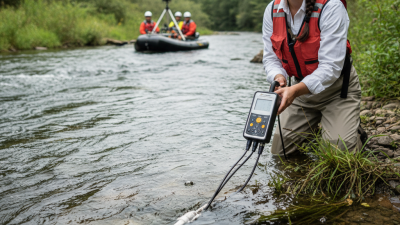
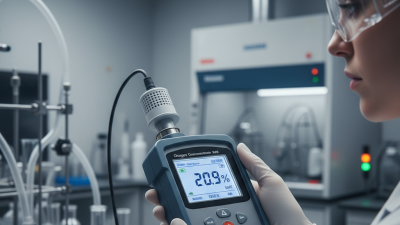
Getting accurate flow readings is super important in a bunch of fields—whether you're into environmental monitoring, engineering projects, or just trying to understand water systems better. Using a reliable Water Current Meter can give you a ton of useful data on water speed and flow directions. And honestly, that info is crucial when you're checking water quality, planning for floods, or designing infrastructure.
When you're trying to pick out the right Water Current Meter, it's a good idea to know what's out there. Some models are perfect for shallow streams, while others are built for the depths of big rivers or even industrial sites. Brands like YSI and OTT are pretty well-known—they’re known for making tough, precise equipment. But here’s the thing: not every model is gonna work for every situation. You really need to think about what you specifically need before making a choice.
That said, even with all the tech improvements, there are still some tricky parts—like measuring in really turbulent waters or in conditions that change a lot. It’s good to be aware that accuracy might get a bit wonky under certain circumstances. The key is to stay open to learning and be ready to adapt. Investing in a top-notch Water Current Meter can seriously pay off in better data, which means making smarter decisions down the line.
Overview of Water Current Meters and Their Importance in Flow Measurement
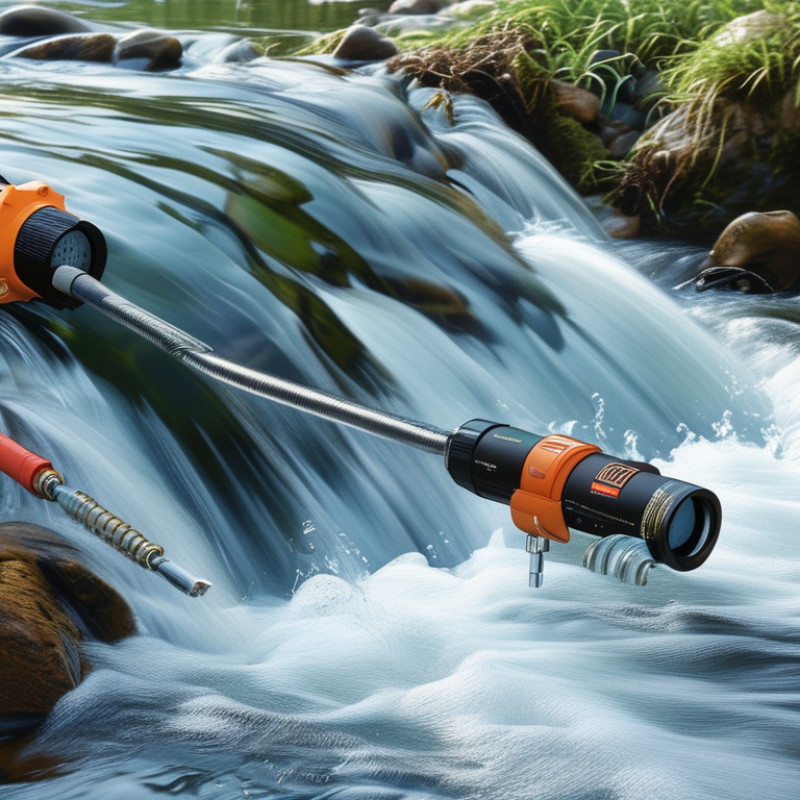
Water current meters play a critical role in measuring flow accurately. They are essential tools in various fields, including environmental monitoring, irrigation, and water resource management. Understanding their importance ensures that we gather reliable data to help in decision-making.
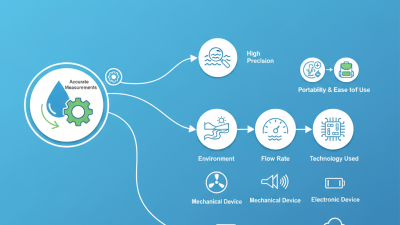
The technology behind these meters can vary widely. Some devices utilize mechanical principles, while others rely on advanced electronic methods. Each type has its advantages and limitations. The choice of a meter can sometimes lead to unexpected results, particularly if conditions are not ideal. It's crucial to select the appropriate meter for specific environments.
Accurate flow measurement can impact water management practices significantly. Inaccurate readings may lead to over- or underestimating water resources. This can affect agricultural planning and environmental conservation efforts. Addressing these issues requires ongoing reflection and improvement in measurement techniques to enhance their reliability and effectiveness.
Types of Water Current Meters: An Introduction to Various Technologies
Water current meters are essential tools for accurate flow measurement in rivers, streams, and industrial applications. Various technologies are utilized to capture precise data. Understanding these types is critical for selecting the right meter for specific needs.
Electromagnetic meters are popular due to their reliability and accuracy. They measure flow based on the electromagnetic induction principle. According to a report by the American Society of Civil Engineers, these meters can achieve accuracy levels within ±1% for certain flow conditions. A great advantage is their ability to work with a wide range of conductivity.
Ultrasonic meters offer another reliable solution. They utilize sound waves to determine flow velocity. A study published by the International Water Association highlighted that ultrasonic meters can provide measurements with an accuracy of around ±2% under optimal conditions. They are versatile and suitable for various fluid types, including those with lower clarity.
Mechanical meters, while less common now, still serve specific needs. These rely on moving parts and can be more prone to wear. They might not always meet the same accuracy levels as modern options. It is crucial to understand that while technology advances, maintaining existing equipment is equally important. Regular calibrations and checks are necessary to ensure accuracy. Users must weigh the pros and cons of each technology to find the best fit for their circumstances.
Key Features to Consider When Selecting a Water Current Meter
When selecting a water current meter, accuracy is paramount. A good meter should provide reliable data on flow rates in various conditions. Look for meters that use advanced technology such as electromagnetic or Doppler principles. These methods often offer more precise readings compared to traditional mechanical meters. Ensure that the meter is suited for the specific conditions it will face, such as varying temperatures and sediment presence.
Consider portability as well. Some users need meters that are easy to transport. Compact designs can be beneficial for fieldwork, while larger units may provide more robust features. Durability is equally crucial. A meter should withstand environmental factors, like corrosive elements in the water. This is often overlooked but essential for long-term reliability.
Calibration is another critical aspect. Regular calibration ensures accuracy over time. It's easy to neglect this step, yet it directly affects data quality. Choose a model with straightforward calibration procedures to facilitate frequent checks. Understanding the specifications and limitations of each model helps in making informed choices. Each feature must align with your specific measurement needs. Thus, it's vital to assess your situation carefully before making a commitment.
Top Brands and Models of Water Current Meters for Accuracy
Accurate flow measurement in water currents is vital for diverse applications. Various brands and models stand out in this field. According to industry reports, electromagnetic and ultrasonic meters are leading choices. These meters can provide precise flow measurements, even in challenging conditions. Their advanced technology often ensures even small changes in current are detected.
User feedback emphasizes the importance of reliability. Transactions from experienced users frequently mention occasional discrepancies in readings. High-end models report accuracies within one percent. However, some affordable options might miss those marks. Ensuring proper calibration is essential for all models, regardless of cost or brand.
Professional insights highlight that environmental factors can affect performance. Changes in temperature, pressure, or salinity impact flow measurements. Users must be aware of these variables to optimize their results. Well-informed choices lead to better accuracy and efficiency. Desirable units are those that provide versatility across various water conditions. Investing in the right technology makes a significant difference.
Installation and Maintenance Tips for Optimal Performance
When it comes to flow measurement, installation and maintenance are crucial for accurate results. Research shows that improper setup can lead to errors of up to 10%. It’s vital to follow best practices. Ensure the meter is positioned according to the manufacturer's recommendations. This helps avoid turbulence, which can skew readings.
Regular maintenance is equally important. Inspect the meter for debris or physical damage every few months. Even small obstructions can affect flow accuracy. Cleaning can prevent buildup that leads to faulty measurements. The best practice is to implement a routine schedule for maintenance checks.
Monitoring the environment is another key factor. Changes in water temperature or pressure may impact the flow measurement. Keeping track of these variations helps in adjusting the readings accordingly. Documenting these changes provides reliable historical data for future reference. Adopting these strategies can significantly improve the performance and accuracy of water current meters.
Applications of Water Current Meters in Different Industries
Water current meters play a crucial role across various industries. In environmental monitoring, they help scientists measure flow rates in rivers and lakes. Accurate data is essential for ecological studies and habitat conservation. Reports indicate that flow measurement can influence fish populations and water quality assessments. Utilizing detailed flow data can lead to better environmental policies.
In the energy sector, water current meters are crucial for hydropower generation. These devices provide necessary flow information to optimize turbine efficiency. A study revealed that even a 5% increase in flow measurement accuracy can boost energy output by over 10%. This highlights the need for reliable instruments in optimizing energy production.
Agriculture also benefits from precise flow measurement. Water current meters assist in irrigation management. Accurate flow readings help farmers use water resources efficiently. In regions facing water shortages, such insights are invaluable. Yet, some challenges remain. Equipment maintenance and calibration can introduce errors, affecting overall reliability. Therefore, ongoing training for users is critical to ensure accurate readings.
Future Trends in Water Current Measurement Technologies
Innovations in water current measurement technologies are shaping the future of flow monitoring. Recent industry reports indicate that the global flow measurement market is projected to reach $9.8 billion by 2025, growing at a compound annual growth rate of 6.3%. This growth is driven by enhanced accuracy and reliability offered by new devices.
One notable trend is the integration of IoT and AI in water current meters. These advancements allow for real-time data analysis and remote monitoring. With sensors that provide data every few seconds, operators can respond swiftly to changes in flow conditions. However, there are still challenges. For instance, ensuring the accuracy of sensors in varying environmental conditions remains a concern.
Moreover, the demand for eco-friendly measuring technologies is increasing. Reports suggest that up to 70% of water-related industries are investing in sustainable practices. This shift is pushing engineers to develop sensors that minimize environmental impact while maximizing performance. Yet, as technology evolves, the skill gap in effectively operating these advanced meters persists, highlighting a need for better training and education in the field.
Best Water Current Meters for Accurate Flow Measurement
| Measurement Technology | Accuracy | Measurement Range | Features | Future Trends |
| Electromagnetic | ±1% of reading | 0.1 to 10 m/s | Non-intrusive, Wide range | Integration with IoT |
| Ultrasonic | ±0.5% of reading | 0.01 to 10 m/s | Wireless data transmission, Multi-point measurement | Advanced data analytics |
| Mechanical | ±2% of reading | 0.5 to 5 m/s | Simple design, Low cost | Automation and smart sensors |
| Turbine | ±1.5% of reading | 0.1 to 6 m/s | Durable, Good for large pipes | Remote monitoring capabilities |
FAQS
: They measure flow accurately in various fields like environmental monitoring and irrigation.
Some use electromagnetic principles, while others rely on sound waves or mechanical methods.
These meters can achieve accuracy levels within ±1% under certain flow conditions.
Yes, they provide measurements with an accuracy of around ±2% in optimal conditions.
They serve specific needs but may not match modern accuracy levels and require regular maintenance.
They could lead to poor water management, affecting crop yields and resource planning.
It ensures the accuracy and reliability of measurements, preventing potential errors in data.
Industries like energy, agriculture, and environmental science rely on these for effective resource management.
An increase in measurement accuracy can significantly enhance turbine efficiency and overall output.
Equipment maintenance and the need for ongoing training can pose difficulties in ensuring accurate readings.
Conclusion
Water current meters are essential tools used for accurate flow measurement in various applications, ranging from environmental monitoring to industrial processes. Understanding the different types of water current meters and their underlying technologies is crucial for selecting the right device for specific needs. Important features to consider include accuracy, ease of installation, and maintenance requirements to ensure optimal performance.
In recent years, advancements in technology have led to the development of more sophisticated water current meters, enhancing their accuracy and functionality. These devices play a vital role across various industries, including hydrology, agriculture, and wastewater management. As the demand for precise flow measurement continues to rise, the future of water current measurement technologies promises even greater innovation and efficiency, making it a key area for ongoing research and development.





 Contact WhatsApp
 Contact Phone
 Contact Email