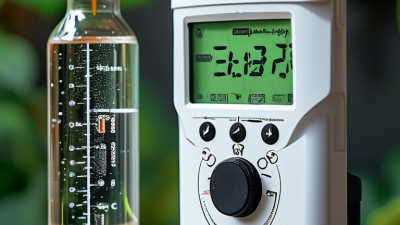
When it comes to environmental science, you can’t really overstate how important a Water Quality Monitoring Station actually is. Dr. Emily Carter, who’s a top expert in aquatic ecosystems and does research at AquaInsight, often says, “Good water quality monitoring is absolutely crucial if we want to protect our water sources.” Her insights really drive home how important it is to collect accurate data to keep our communities safe and water clean.
Water Quality Monitoring Stations are pretty much the backbone when it comes to checking on our waterways’ health. They collect key info that guides policies and environmental actions. Sometimes, the data they gather points to worrying trends and big challenges we need to tackle. But here’s the thing — not all stations are created equal. Some don’t have the right tech or trained folks running them, which can lead to questionable or unreliable results. That’s a real concern because communities depend on accurate data to make informed decisions.
Getting a solid handle on how well different monitoring stations perform can help us dodge costly mistakes. It’s super important to identify which Water Quality Monitoring Stations are truly reliable so we can do better analysis and make smarter choices. We’ve obviously learned from past mistakes in monitoring setups, and it’s high time we keep pushing for improvements. As awareness around water issues keeps growing, so does the need for dependable monitoring practices to really protect these vital resources we all depend on.

Key Features of Effective Water Quality Monitoring Stations
Effective water quality monitoring stations are essential for assessing the health of aquatic ecosystems. Key features include advanced sensors and real-time data reporting capabilities. According to a 2021 study by the National Oceanic and Atmospheric Administration, stations that integrate multiple parameters can provide a more comprehensive view of water quality. These parameters often include pH, dissolved oxygen, and turbidity levels.
User-friendly software for data management is crucial. It allows for easy analysis of trends over time. Reports show that 70% of water quality monitoring efforts benefit from remote access features. This enables teams to quickly respond to pollution events or natural changes in water bodies. However, it’s important to note that not all stations are equally reliable. Calibration and maintenance are often overlooked yet vital for accuracy. Regular checks can prevent false readings that lead to misguided interventions.
In addition, community engagement is increasingly recognized as a factor in successful monitoring. Local involvement can aid in data collection and increase awareness of water quality issues. A report by the Environmental Protection Agency indicates that stations supported by community initiatives tend to have improved data accuracy. Ultimately, proper deployment of tools like a Water Quality Monitoring Kit can enhance both data reliability and community involvement.
Types of Water Quality Parameters Measured by Monitoring Stations
Water quality monitoring stations play a crucial role in analyzing environmental health. They measure various parameters that indicate water quality. Commonly monitored aspects include pH levels, dissolved oxygen, turbidity, and temperature. Each of these parameters provides insight into the water's condition, which benefits ecosystems and human health.
pH is essential for aquatic life. It affects fish behavior and nutrient availability. Dissolved oxygen levels indicate how well water can support life. Turbidity measures the clarity of water, which impacts sunlight penetration and plant growth. Temperature impacts chemical reactions and biological processes. Knowing these factors helps in assessing water quality.
Despite the critical information these stations provide, challenges exist. Data collection may not always be consistent. Equipment can malfunction. Environmental changes may influence readings. While a
Water Quality Monitoring System can be efficient, it’s essential to approach the results critically. Understanding limitations ensures better decision-making for water management and conservation.
Importance of Location in Water Quality Monitoring Station Placement
The placement of water quality monitoring stations is crucial for collecting accurate data. Factors such as proximity to pollution sources and water flow patterns affect the results significantly. Locations near industrial sites or agricultural runoff areas may show skewed data. While monitoring in these regions is necessary, it’s essential to understand the potential for environmental variability.
Consideration must also be given to natural features like rivers and lakes. Properly identifying sampling locations can reveal trends over time. However, relying on specific sites without regular evaluation can lead to a misunderstanding of broader water health. The ecological impact of seasonal changes should not be underestimated. Areas that appear pristine during one season may experience pollution spikes during heavy rains.
Creating a balanced network of monitoring stations requires careful planning. Diverse locations can enhance data reliability. Yet, maintaining a comprehensive overview is a constant challenge. Each monitoring point should be evaluated continually, adapting to changing environmental factors. This dynamic approach allows for more effective analysis of water quality and can lead to better decision-making for environmental protection.
Technologies Used in Modern Water Quality Monitoring Stations
Modern water quality monitoring stations employ a variety of advanced technologies to ensure accurate data collection. These stations typically utilize sensors and automated systems that test water parameters, such as pH levels, turbidity, and dissolved oxygen. The deployment of real-time data logging systems allows for immediate detection of changes in water quality. These nuances in measurement are crucial for analyzing trends over time.
In addition, many facilities now utilize satellite imaging for broader geographical assessments. Combining this with buoy-based sensors enhances data reliability. However, reliance on technology can sometimes lead to gaps in data interpretation. Human experience is still essential in understanding the context behind the numbers. Regular maintenance of the Water Quality Monitoring Device is necessary to maintain accuracy. Even with cutting-edge technology, calibration errors can occur, which may compromise the reliability of the results.
Accessibility of data presents an opportunity for community engagement but can also lead to misinformation. Effective communication of findings is critical. While modern monitoring technologies are impressive, they are not infallible. The responsibility remains on scientists and technicians to interpret these results meaningfully. Clear guidelines on data usage must be established to ensure public trust.
Comparison of Manual vs. Automated Water Quality Monitoring Stations
Manual water quality monitoring stations have been essential for years. They rely on trained personnel to collect samples. This process involves lab analysis, which can ensure accuracy. However, it often suffers from delays. Results may take days or weeks. This makes it challenging to respond to sudden changes in water quality.
On the other hand, automated water quality monitoring stations provide real-time data. They can continuously measure key parameters, like pH and turbidity. This technology enables immediate analysis. However, accuracy can sometimes be compromised due to sensor drift or contamination. Regular calibration is necessary to maintain reliability. Operators must be aware of these limitations.
In practical applications, choosing between manual and automated systems depends on specific needs. Manual methods are beneficial for detailed assessments but lack immediacy. Automated systems offer speed but require maintenance. Understanding these strengths and weaknesses is crucial for effective water quality monitoring.
Best Water Quality Monitoring Stations for Effective Analysis
| Dimension | Manual Monitoring Stations | Automated Monitoring Stations |
| Initial Cost | $200 - $500 | $1000 - $5000 |
| Maintenance Frequency | Monthly | Quarterly |
| Data Collection Frequency | Daily | Continuous |
| Accuracy | High | Very High |
| Labor Required | High | Low |
| Operational Duration | 3-5 years | 5-10 years |
Case Studies of Successful Water Quality Monitoring Stations
Effective water quality monitoring requires reliable data and precise methodologies. One case study highlights a coastal community that implemented a network of monitoring stations. These stations utilized sensors to measure parameters such as pH, turbidity, and dissolved oxygen in real time. Regular calibration of these sensors was essential to maintain accuracy.
Another example comes from a freshwater lake monitoring initiative. They faced challenges with consistency in data collection due to seasonal changes. To address this, researchers introduced automated sampling techniques. This innovation improved the frequency of data points during different weather conditions. However, some discrepancies still arose due to regional pollutants.
Both case studies show that successful monitoring involves ongoing adjustments and community engagement. Local stakeholders must understand the importance of water quality for their health and ecosystem. Building trust with these communities can enhance data collection efforts and encourage proactive environmental stewardship.
Future Trends in Water Quality Monitoring and Analysis Tools
Water quality monitoring is evolving rapidly. As technology advances, the tools we use for analysis become more sophisticated. Future trends indicate a shift toward automation and real-time data collection. Manual sampling will fade, making way for continuous monitoring. This ensures timely responses to water quality changes.
Artificial intelligence is another exciting trend. AI can analyze large datasets quickly. This speed allows for immediate awareness of pollution or disturbances. Data visualization tools will likely expand, helping stakeholders understand trends. However, reliance on these tools may lead to oversights. Not all anomalies can be captured by algorithms.
Accessibility and cost-effectiveness remain challenges. Smaller communities might struggle to afford advanced Water Quality Monitoring Stations. Partnerships between governments and tech companies could bridge these gaps. As innovations emerge, it’s crucial to address potential shortcomings. This ensures all communities benefit from improved water quality monitoring.
High-Precision NH4+ Sensors: Enhancing Water Quality Monitoring with Trusted Suppliers and Innovative Solutions
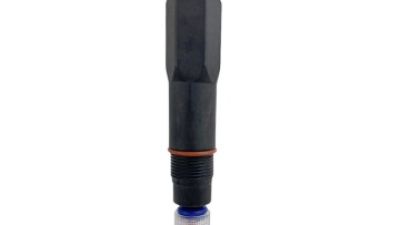
In the realm of water quality monitoring, the significance of precise measurements cannot be overstated, particularly when it concerns the analysis of ammonia nitrogen (NH4+). High-precision NH4+ sensors have emerged as a fundamental component, delivering reliable data crucial for environmental compliance and safety in various sectors. These sensors are designed to operate effectively in diverse conditions, from industrial wastewater treatment plants to natural water bodies, playing a crucial role in monitoring the health of aquatic ecosystems.
Recent industry studies indicate that with rising concerns over water pollution, the demand for efficient monitoring solutions is surging. It is estimated that proper ammonia management can reduce the risk of eutrophication in waterways, which can lead to harmful algal blooms and significant ecological damage. Advanced NH4+ sensors offer features such as eco-friendly polymer construction, ensuring durability and chemical resistance which are essential for enduring harsh industrial environments. Additionally, their isolated power supply and immunity to electromagnetic interference make them a robust choice in settings where accuracy is paramount.
Furthermore, the customizable nature of these sensors allows users to fine-tune them according to specific measurement needs. This flexibility is vital for applications across various domains, including surface Water Testing, sewage analysis, and monitoring of potable water supplies. Given their compact size and compatibility with existing monitoring systems through RS-485 MODBUS output, these sensors are not only practical but essential tools for enhancing water quality analysis and ensuring the sustainability of our water resources.
FAQS
: Common parameters include pH levels, dissolved oxygen, turbidity, and temperature.
pH affects aquatic life, fish behavior, and nutrient availability.
Dissolved oxygen levels indicate how well water can support aquatic life.
Turbidity measures water clarity, affecting sunlight penetration and plant growth.
Temperature impacts chemical reactions and biological processes in the water.
Challenges include inconsistent data collection, equipment malfunctions, and environmental changes.
Trends include automation and real-time data collection for timely responses.
AI analyzes large datasets quickly, providing immediate awareness of pollution.
Over-reliance on these tools may lead to missing important anomalies.
Partnerships between governments and tech companies could bridge funding gaps.
Conclusion
Water Quality Monitoring Stations play a crucial role in ensuring the safety and quality of water resources. Effective monitoring stations are characterized by their ability to measure key water quality parameters such as pH, turbidity, dissolved oxygen, and contaminants. The placement of these stations is vital, as their locations can significantly influence the accuracy and relevance of the data collected. Modern technologies, including automated systems, enhance the efficiency of water quality assessments, allowing for real-time data transmission and analysis.
Additionally, the comparison between manual and automated monitoring stations highlights the advancements in data collection techniques, where automation shows greater reliability and reduced human error. Successful case studies illustrate the impact that well-placed and technologically advanced Water Quality Monitoring Stations can have on environmental management and public health. As the field progresses, future trends may include the integration of artificial intelligence and improved analytical tools, further enhancing the ability to monitor and protect water quality effectively.





 Contact WhatsApp
 Contact Phone
 Contact Email