Picking out a COD sensor isn’t just about comparing detection ranges, honestly. You really need to think about whether it matches your water conditions, how you plan to use it, and how much time you've got to maintain it. For instance, a wastewater channel in a city might have suspended solids that throw off readings, whereas a sample in a lab is totally different — its results hinge on careful sample prep and testing.
There’s this famous physicist, William Thomson, aka Lord Kelvin, who once said, “When you can measure what you are speaking about, and express it in numbers, you know something about it.” That’s pretty relevant when you’re choosing a Cod Sensor. But keep in mind, it’s not the whole story — you still gotta test it in your actual application. So, look at things like the sensor’s range, how it measures, response time, and how it performs with your specific samples. And don’t forget to ask how often you'll need to clean or calibrate it — those little details really add up.
Sure, a lower price tag might seem tempting at first glance, but it doesn’t always tell the full story. Sometimes, that cheap sensor might end up costing you more in maintenance or troubleshooting down the line. It’s smart to check if the manufacturer provides info on potential interferences, maintenance routines, and validation processes. And if possible, try out the sensor with actual samples similar to what you’ll be working with — don’t just rely on the specs sheet. Wastewater can be pretty tricky, and no sensor can eliminate every bit of uncertainty. The sections ahead will help you ask the right questions to match the perfect COD sensor with your process, your team, and your data needs.
Before choosing a COD sensor, define what decision its readings must support. Are you tracking a treatment process, checking wastewater, or catching brief production spikes? Each goal affects the required measurement range, response time, and logging frequency. A plant reviewing daily trends may value stable readings and simple maintenance more than constant updates. For a mixed influent line, rapid changes may matter more. Be specific. Record the expected COD range, acceptable error, and actions operators should take when readings shift.
Sampling conditions can make a suitable sensor appear unreliable. Note the water temperature, suspended solids, color, bubbles, and risk of oil or scale coating the probe. Will the sensor sit in a tank, flow cell, or bypass line? A bypass can simplify inspection, but a slow or unrepresentative sample may miss a short spike. Check cleaning and calibration needs against actual staffing. No setup is maintenance-free. If readings inform compliance reports, compare them regularly with a validated laboratory method and record differences. Also distinguish COD from BOD: searches for “Bod Cod Sensor” can blur two different measurements, and one should not be treated as a direct substitute for the other. Wastewater can change by shift. That's worth planning for.
Choosing a COD sensor starts with its measurement principle, not its display. Dichromate-based instruments digest a water sample with an oxidizing reagent, then estimate oxygen demand from the resulting color change. The U.S. EPA’s Method 410.4 gives this colorimetric procedure a working range of 3–900 mg/L COD. It offers a useful reference point, but it is a laboratory method, not proof that every online analyzer performs equally well. Check digestion time, sample handling, and the range your process actually reaches.
UV-Vis sensors estimate COD from light absorption, often around 254 nm. They respond quickly and avoid routine chemical reagents, but suspended solids, nitrate, and changing organic mixtures can distort readings. Electrochemical sensors measure oxidation-related current at an electrode; deposits on its surface may gradually shift results. The neat answer is rarely the field answer. A Cod Bod Sensor should be assessed against grab samples from the same water stream, across dry-weather and high-flow conditions. Compare bias, repeatability, response time, cleaning frequency, and calibration effort—not just advertised accuracy. One practical test: watch the signal after a muddy inflow. If it drifts before the water clears, maintenance may matter more than a faster reading.
| Technology | Measurement Principle | What the Result Represents | Advantages | Limitations and Interferences | Maintenance and Operating Needs | Best Suited For |
|---|---|---|---|---|---|---|
| Single-wavelength UV absorption | Measures ultraviolet absorbance, commonly near 254 nm. The instrument estimates COD from an established relationship between absorbance and laboratory COD results. | An indirect, site-calibrated estimate of organic pollution; it does not directly measure oxygen consumption. | Fast readings; no digestion reagents; suitable for continuous monitoring; relatively simple measurement principle. | Relationship to COD can change with wastewater composition. Nitrate, color, suspended solids, and turbidity can affect the signal. It may respond poorly to compounds that absorb little at the selected wavelength. | Optical windows need cleaning. Calibration and periodic comparison with laboratory COD are important, especially when influent composition changes. | Stable water or wastewater streams where a rapid trend or process-control estimate is more important than a direct reference-method result. |
| Multi-wavelength UV-Vis absorption | Measures absorbance at multiple ultraviolet and, in some instruments, visible wavelengths. Algorithms use spectral information to estimate COD and may compensate for some background effects. | An indirect COD estimate based on a broader optical fingerprint than a single-wavelength measurement. | More spectral information can improve compensation for turbidity or changing sample characteristics, depending on the instrument and calibration model. Provides rapid, reagent-free monitoring. | It remains dependent on calibration and the wastewater matrix. Compensation is not universal; unusual color, high solids, bubbles, or major composition changes can reduce accuracy. | Requires clean optical surfaces, suitable installation, and calibration checks against representative laboratory samples. | Wastewater with variable optical conditions where continuous monitoring is needed and a robust site-specific calibration can be maintained. |
| Electrochemical oxidatIon Sensor | Applies an electrical potential to oxidize electroactive substances at or near an electrode. The resulting current or charge is related to oxidation and is converted to a COD estimate through calibration. | An electrochemical response associated with oxidizable compounds; the result may not match dichromate COD unless the sensor has been validated for the sample type. | Can provide rapid measurements without routine dichromate digestion reagents. Some designs are compact and suitable for continuous or frequent monitoring. | Response depends on electrode material, operating conditions, and which compounds are electrochemically oxidized. Electrode fouling and matrix effects can affect readings; chloride interference may occur in some designs. | Electrodes may require cleaning, conditioning, or replacement. Confirm performance with laboratory samples from the actual process. | Applications needing frequent process trends where the target wastewater is well characterized and sensor performance has been verified on site. |
| Online dichromate digestIon Analyzer | Digests a measured sample with acidic potassium dichromate under controlled heating. COD is determined from dichromate consumption, commonly using colorimetric or titrimetric detection. | A measurement based on the conventional dichromate oxidation approach and generally more directly comparable with laboratory dichromate COD methods when methods and operating conditions align. | Uses a recognized COD chemistry; can provide results more directly comparable with dichromate-based laboratory measurements than optical surrogates. | Requires hazardous chemicals and produces chemical waste. Digestion takes longer than an optical reading. Chloride and other sample or method interferences may require appropriate method controls. | Needs reagent replenishment, waste handling, cleaning, and routine checks of dosing, digestion, and measurement components. | Sites requiring online results closely aligned with dichromate COD methods and able to manage reagents, waste, and analyzer servicing. |
| Laboratory dichromate Cod Test (reference comparison) | A prepared sample is reflux-digested with dichromate in strongly acidic conditions; the amount of oxidant consumed is measured by colorimetry or titration, depending on the method. | COD determined by the specified laboratory method. It is commonly used to develop or verify online sensor calibrations. | Established analytical procedure with defined methods and quality-control practices; useful as a comparison value for evaluating sensor accuracy. | Not a continuous measurement. Requires sample handling, digestion time, trained staff, and careful management of hazardous reagents and waste. | Requires laboratory equipment, method-specific quality control, and compliant chemical handling and disposal. | Calibration, validation, compliance testing, and periodic checks of online COD estimates. |
Selection tip: Choose an optical or electrochemical sensor for fast, continuous trends when a site-specific calibration is practical. Choose an online dichromate analyzer when closer alignment with dichromate COD measurements is a priority and reagent handling is acceptable. Validate any sensor against representative laboratory samples before relying on its readings for process control or reporting.
Choosing a COD sensor starts with the water you actually test. Check its expected concentration range, not just the highest value on the specification sheet. A sensor that handles low-level samples may struggle with concentrated wastewater. Accuracy claims also need context: compare them with your required tolerance and the method used for verification. Small differences matter.
Response time affects how quickly you can act on a result. For continuous monitoring, a sensor that updates slowly may miss short-term changes after a process adjustment. In a laboratory or batch workflow, a few extra minutes may be acceptable. Consider sample temperature, suspended solids, and cleaning access, too; these details can shift readings or add maintenance time. Real samples are rarely tidy.
Calibration needs deserve equal attention. Ask how often calibration is recommended, which standards are required, and whether checks can be performed on site. A clean standard is useful, but it may not behave exactly like a complex sample. Keep records of calibration and compare occasional readings with a trusted reference method. If evaluating a combined Cod Bod Tss Sensor, confirm the range and response specifications for each measurement separately. The COD channel’s performance does not automatically describe the BOD or TSS channels. Calibration can be easy to overlook. A simple routine helps reveal drift before it affects operating decisions.
A COD sensor should match the water it will measure, not just the number on its specification sheet. Optical UV sensors estimate organic load from light absorption, so color, suspended solids, and changing turbidity can affect readings. Ask whether the instrument compensates for turbidity and whether it can be checked against laboratory COD results from your own samples. A clean-water test may not represent wastewater after a storm or production change. Small details matter.
Then consider the process. Is the water steady, or does its composition shift between batches? Check the sensor’s measurement range, response time, and tolerance for temperature, pressure, and fouling. In a fast-moving treatment stream, slow readings may miss short-lived changes. In a tank with heavy solids, deposits can obscure the optical window. A sensor may technically work, yet still require more cleaning than your team can manage. That is easy to overlook.
Installation affects performance too. Confirm whether the sensor suits a submerged mounting, pipe connection, or flow cell, and check the available space for removal and cleaning. Review cable length, power, signal outputs, and connection to your monitoring system before ordering. A convenient mounting point is not always a representative sampling location. Compare sensor readings with lab results under normal and changing conditions, then revisit the setup if they disagree. The first installation may need adjustment.
A COD sensor should fit the way your site actually runs, not just its advertised measurement range. Check how often the probe needs cleaning, calibration, and replacement parts. In wastewater with grease or suspended solids, deposits can build up quickly. A sensor that looks low-maintenance in a brochure may need weekly attention in the field. Ask for a realistic service schedule and confirm that staff can complete routine checks without specialized tools. Small details matter.
Data integration deserves the same scrutiny. Confirm that the sensor’s outputs match your existing controller, logger, or plant monitoring system. Check signal types, communication protocols, units, and data intervals before installation. A Digital Cod Sensor that measures reliably can still create headaches if readings arrive in the wrong format. Test data transfer with your actual setup, not only a demonstration screen. Keep a manual backup plan, too. Connections fail sometimes.
Operating costs extend beyond the purchase price. Include calibration solutions, replacement components, technician time, downtime, and any required software fees. Compare costs over several years, using your expected sampling frequency and site conditions. Ask how performance changes between services, and what happens when a reading drifts. There may not be one perfect estimate. Record a few months of cleaning and calibration effort after installation; those notes can reveal costs that initial quotes miss.
Compare typical trade-offs in maintenance, data integration, and operating costs before selecting a monitoring approach.
Illustrative planning ratings, not measured market averages. Scores run from 1 (lower burden) to 5 (higher burden); actual needs depend on sample characteristics, site conditions, and system configuration. UV-Vis estimates can require site-specific calibration, while digestion-based methods typically involve reagents and more routine servicing.
A COD sensor should fit the water you actually measure, not just the range listed in its specifications. Start with the sample. Is it clear, dark, or full of suspended solids? Optical sensors can respond to color and particles as well as organic compounds, so turbidity and bubbles may affect readings. Check the expected COD range, response time, temperature limits, and cleaning needs before selecting a model. A sensor that performs well in a clean test solution may behave differently in a drain or process tank.
Then verify performance at the installation site. Collect sensor readings alongside carefully timed samples, and compare them with results from a validated laboratory method across low and high COD conditions. Repeat the comparison; one matching pair proves little. Record calibration checks, cleaning dates, and any drift. Small details matter. Watch whether readings stabilize after installation and after maintenance, and test alarms against actual operating changes. Calibration is necessary, but it does not prove reliable measurement by itself. I would also revisit the setup after several weeks: fouling, seasonal changes, or an awkward mounting position can quietly weaken results. It is easy to overlook that.
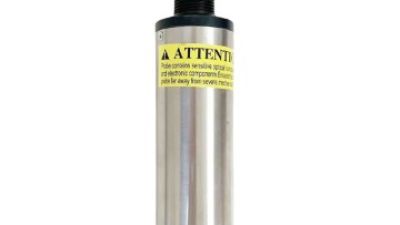
High-precision UV fluorescent Chlorophyll Sensors help aquatic monitoring teams track changes in water quality as they happen. By measuring chlorophyll concentrations in real time, they can support early identification of rising algal activity and help assess eutrophication in lakes, rivers, reservoirs, and aquaculture systems. Advanced modulation and coherent detection improve sensitivity while reducing the influence of external interference, providing dependable readings in varied water conditions.
Designed for online monitoring, the sensor works without chemical reagents, helping reduce routine maintenance and environmental impact. Its automatic cleaning mechanism helps limit biofouling and maintain stable performance during extended deployment. A durable 316L stainless steel housing, measuring 48 mm by 125 mm, is suited to demanding aquatic environments, while RS-485 MODBUS communication enables integration with industrial, municipal, and research monitoring platforms. Together, these features make continuous chlorophyll measurement more practical for observing algal blooms, evaluating water conditions, and supporting informed aquatic management.
Match it to your water, expected COD range, temperature, and maintenance capacity. A clean test solution may not reflect a process tank.
Yes. Optical sensors may respond to color, particles, turbidity, or bubbles. Check performance using samples that resemble your actual water.
It depends on the wastewater. Grease and solids can build up quickly, sometimes requiring weekly attention. Confirm a realistic service schedule.
Verify signal types, communication protocols, units, and data intervals. Test the connection with your own controller or monitoring system.
Include calibration solutions, replacement parts, technician time, downtime, and software fees. Track actual cleaning effort after installation.
Compare sensor readings with timed samples tested using a validated laboratory method. Repeat across low and high COD conditions; one matching pair proves little.
No. Calibration is necessary, but it does not prove reliable performance. Record calibration checks, cleaning dates, and reading drift.
Recheck it after several weeks. Fouling, seasonal changes, or awkward mounting can weaken results. Easy to overlook.
Choosing the right Cod Sensor begins with defining what you need to monitor, where samples will be collected, and how frequently results must be available. Compare available sensing technologies and their measurement principles, then consider accuracy, measuring range, response time, and calibration requirements. These factors should match your process conditions and the level of confidence needed for routine monitoring or process control.
Before selecting a sensor, check that it is compatible with your water quality, operating environment, and installation setup. Review maintenance needs, data connection options, and the ongoing costs of calibration, cleaning, and replacement parts. Once you have narrowed down suitable options, verify performance under real operating conditions and confirm that readings are consistent and useful for your application. A careful evaluation helps ensure the sensor can provide dependable measurements throughout its service life.