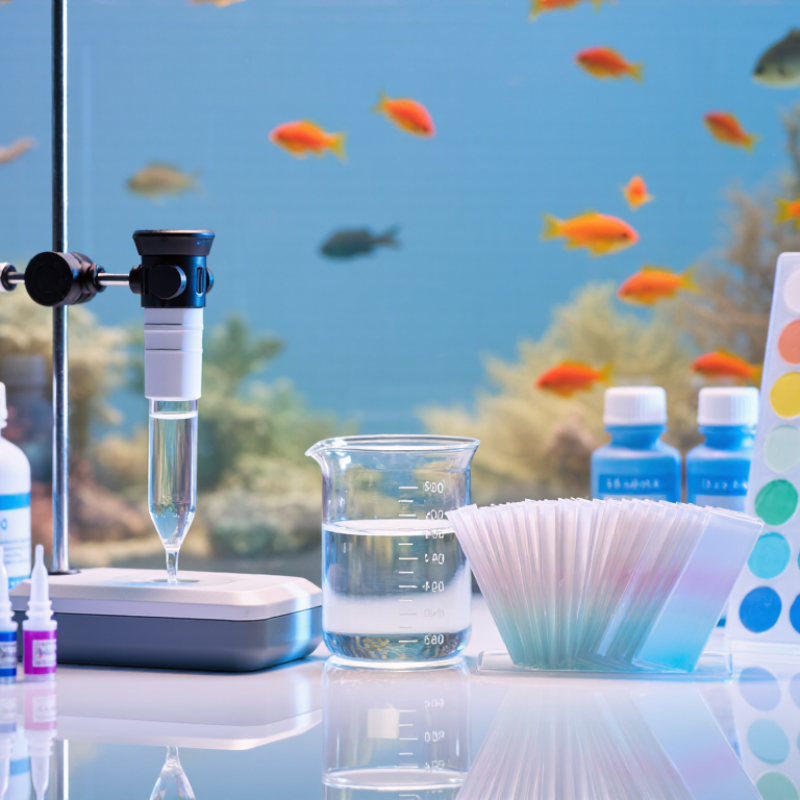
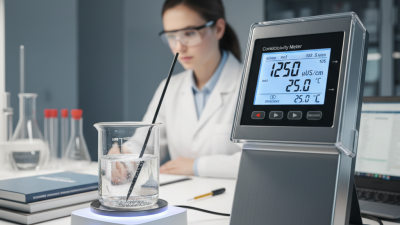
Picking the right Saltwater Tester isn’t about grabbing the priciest gadget out there. Instead, it’s about finding a tool that fits your particular aquarium, your experience level, and how you like to do your tests. For example, a reef tank might need precise readings for things like salinity, pH, alkalinity, calcium, magnesium, ammonia, nitrite, and nitrate. But if you’re just dealing with a fish-only setup, you probably don’t need to measure all that. The key is understanding your water first and foremost.
Randy Holmes-Farley, a well-known marine aquarium chemist, once said, “The best test kit is the one you will actually use.” Honestly, that piece of advice still holds up. For quick salinity checks, a digital refractometer is pretty handy. If you want more control over alkalinity and calcium, liquid titration kits can be quite useful. Sure, color charts can help, but if your lighting’s dim, judging small differences becomes a real challenge. Digital meters are super convenient too, but remember—they still need regular calibration and clean test vials.
Details really do matter here. Always rinse your test vial with aquarium water before use. Be careful when measuring your sample—accuracy is everything. Keep track of your results at the same time every day to spot trends. And hey, if you get an odd reading, don’t jump to conclusions right away. Retake the measurement—sometimes it’s just a sampling glitch.
Of course, maintaining your testing gear is just as important as using it right. Old reagents, dirty probes, air bubbles, poor storage—you name it—can all mess with your results. I made the mistake once of trusting a low reading, only to find later that it was wrong. The next test proved it was a sampling error. That’s why seasoned aquarists tend to compare results over time instead of reacting to one strange number. In this guide, we’ll look at how accurate different testers are, how fast they give results, how much upkeep they need, their costs, and how practical they are for everyday use. Ultimately, it’s about choosing a Saltwater Tester that helps you make steady, confident decisions—no unnecessary adjustments needed.
Choosing among Saltwater Salinity Testers requires understanding the measurement behind the display. Most handheld meters estimate salinity through electrical conductivity, then convert it into parts per thousand (ppt). NOAA identifies approximately 35 ppt as the average ocean salinity, although local seawater can vary with evaporation, rainfall, and freshwater flow. A reading without temperature data can be misleading.
Temperature matters. Conductivity changes as water warms, so reliable testers use automatic temperature compensation. The USGS National Field Manual explains that specific conductance must be referenced to a standard temperature, commonly 25°C. In practice, test a pool or aquarium sample after mixing it well. Avoid measuring beside a salt pile or stagnant corner.
Look beyond salinity. Some instruments also measure temperature, pH, total dissolved solids, or conductivity. These values describe different conditions and should not be treated as interchangeable. NOAA reports that typical surface seawater has a pH near 8.1, but pH can shift inside poorly aerated tanks. Calibration is equally important. Certified reference solutions provide a stronger check than tap water. Still, even a calibrated meter can drift after exposure to residue. I have seen a clean-looking probe produce unstable readings after one missed rinse. That small failure can change dosing decisions. Read the specification sheet carefully, and record the sample temperature beside every result.
Choosing a saltwater tester depends on the water system, not only the salt level. Aquarium owners usually need salinity, pH, ammonia, nitrite, nitrate, calcium, and alkalinity readings. Pool owners often monitor salinity, pH, chlorine, stabilizer, and total alkalinity. Each environment has different risks, so one tester may not suit both.
For aquariums, a digital salinity meter or calibrated refractometer can provide useful precision. Liquid test kits help measure nutrients and chemical balance. Test strips are convenient, but they may offer less detail when readings are close to safe limits. In pools, electronic meters are practical for repeated checks, while fresh test reagents can improve confidence. Check the testing range before buying.
Rinse the equipment with sample water, follow timing instructions, and avoid touching reagent pads. Calibration matters, especially for digital instruments. I once trusted a quick strip reading without checking its storage condition, and the result seemed unusually normal. A second method revealed a different value. That experience changed my routine: I now compare questionable readings and record results with the date, water temperature, and maintenance performed. No tester is perfect. Replace expired reagents, inspect damaged parts, and treat sudden readings as clues rather than absolute facts. A reliable tester should be understandable, repeatable, and suitable for your specific water conditions.
Digital, chemical, and strip-based testers each solve a different problem. Digital meters give quick salinity and pH readings, often with decimal-level resolution. They suit aquariums and pools where small changes matter. However, probes need calibration, clean storage, and regular battery checks. A neglected probe can look precise while producing unreliable numbers.
Chemical test kits remain a strong reference for chlorine, alkalinity, and pH. They cost less than many digital instruments and do not depend on batteries. The CDC’s 2023 Model Aquatic Health Code places pool pH around 7.0–7.8 and requires controlled free chlorine levels. These targets make accurate chemical comparison valuable. Strip-based testers are fastest. They work well for routine checks, but wet fingers, fading pads, and poor lighting can distort color matching. The World Health Organization’s Guidelines for Safe Recreational Water Environments also stresses that pH affects chlorine performance. That detail is easy to miss.
Tips: Use strips for quick screening. Confirm unusual readings with a chemical kit. Calibrate digital meters before important adjustments. I still keep strips nearby, despite their limits. Convenience sometimes wins. Record temperature, salinity, pH, and chlorine together. A single reading can mislead. Retest after water changes, heavy rain, or equipment cleaning. Test solutions also expire, and I have trusted old reagents longer than I should.
A reliable Saltwater Aquarium Test Kit should give repeatable results, not just impressive numbers. Check its stated accuracy, resolution, and testing method before buying. A reading of 0.05 ppm can matter when monitoring phosphate, while a broad color chart may hide small changes. Compare results with a trusted laboratory service occasionally. This helps reveal whether your routine method is drifting.
Tips: Test the same water volume each time. Rinse tubes with aquarium water, then use clean hands and fresh reagents. Read color changes under white light, not blue aquarium lighting. Record the date, result, and recent water changes. Small details matter.
Detection range should match your aquarium’s needs. Marine tanks often require tests for salinity, pH, alkalinity, ammonia, nitrite, nitrate, phosphate, calcium, and magnesium. Some kits detect only high levels, which may suit emergencies but not stable reef monitoring. Ease of use also affects accuracy. A clear syringe, firm dropper, readable scale, and short reaction time reduce mistakes. Digital meters can simplify readings, yet they still need calibration and careful cleaning. I once trusted a quick result too much and missed an obvious sampling error. Human judgment remains part of the test. Choose a kit you can use consistently, even during a busy maintenance day.
Choosing a saltwater tester requires more than checking its advertised range. Salt accelerates corrosion around connectors, probe housings, and battery contacts. A durable Do Tester should use sealed electronics, a replaceable probe, and a clear IP protection rating. Look for materials that tolerate repeated exposure, not merely occasional splash resistance. Salt is unforgiving.
The Food and Agriculture Organization’s The State of World Fisheries and Aquaculture 2024 reported 223.2 million tonnes of global aquatic-animal production in 2022. Aquaculture contributed 130.9 million tonnes. That scale makes dependable measurements practical, not optional. In daily use, rinse the probe with clean water after testing, remove visible salt crystals, and dry the connector carefully. Never store a Ph Electrode dry. Use the specified storage solution instead.
Calibration needs depend on frequency, temperature changes, and sample contamination. For routine work, verify pH with fresh, traceable buffer solutions before each testing session. Conductivity instruments should use certified standards near the expected salinity range. ASTM D1125 and ISO 7888 provide established guidance for conductivity measurement. Calibration drifts. I have sometimes trusted a stable-looking display for too long, which was a mistake. Keep a simple log with date, standard value, temperature, and adjustment result. Replace probes when response becomes slow, readings wander, or calibration requires repeated correction. A cheap tester can become expensive through unreliable decisions.
Choosing a saltwater tester is less about collecting features and more about controlling long-term risk. NOAA’s ocean acidification data reports that average surface-ocean pH has fallen by about 0.1 since the preindustrial period, increasing acidity by roughly 30%. That small-looking change shows why pH readings need consistency, not just convenience. A reliable Tester Ph should offer clear calibration guidance, stable readings, and a replaceable probe. It should also measure salinity, temperature, and, when needed, alkalinity.
Purchase cost can be misleading.A low-priced meter may require frequent calibration fluid, storage solution, batteries, and replacement sensors. USGS field guidance emphasizes proper calibration, clean sampling, and documented procedures for dependable Water Measurements. In practice, rinse the probe with distilled water, dry it gently, and test a sample at room temperature. Small habits matter. A cheap device becomes expensive when readings drift.
Look for instruments aligned with ISO 10523 Ph Measurement principles or supported by traceable calibration materials. Optical salinity sensors can save time, but they may cost more than a conductivity meter. I would compare the first-year ownership cost, not only the shelf price. My own judgment may be imperfect: more features can create more maintenance points.A simpler tester, used consistently, may produce better decisions than an advanced unit left uncalibrated beside the aquarium.
It commonly measures electrical conductivity and converts it into salinity. Some models also measure temperature, pH, or dissolved solids. These values are different.
Average ocean salinity is about 35 parts per thousand. Local water can change after evaporation, rainfall, or freshwater flow. Do not expect every sample to match 35 ppt.
Conductivity changes as water temperature changes. A reliable tester should compensate automatically for temperature. Record the sample temperature beside each result.
Mix the aquarium, pool, or container thoroughly before testing. Avoid stagnant corners and areas beside undissolved salt. Test near room temperature when possible.
Calibrate it before important water adjustments. Use certified reference solutions instead of tap water. Calibration can still drift after residue exposure.
Rinse the probe with distilled water after testing. Dry it gently, then store it as directed. One missed rinse can cause unstable readings.
Each method serves a different purpose. Digital meters offer quick, detailed readings. Chemical kits work without batteries and can confirm unusual results. Strips are fast, but wet fingers and poor lighting can distort colors.
Consider temperature, pH, alkalinity, and chlorine when relevant. Typical surface seawater has a pH near 8.1. Pool water commonly targets about 7.0 to 7.8. Do not treat pH and salinity as interchangeable.
Not always. Include calibration fluid, storage solution, batteries, and replacement probes. A simple tester used consistently may outperform an advanced, neglected device. I may be wrong, but more features can create more maintenance points.
Choosing the best Saltwater Tester begins with understanding which water parameters it measures, such as salinity, pH, alkalinity, or other conditions that affect aquatic life and water quality. The ideal tester depends on whether it will be used for a home aquarium, a marine tank, or a swimming pool, since each setting may require different detection ranges and testing methods. Digital testers can provide quick, readable results, while chemical kits and test strips may offer practical, affordable alternatives.
When comparing options, consider accuracy, consistency, ease of use, and the clarity of the instructions. A reliable tester should have a suitable detection range and deliver results that are easy to interpret. It is also important to evaluate durability, cleaning requirements, storage conditions, and whether regular calibration or replacement components are needed. Finally, balance useful features with long-term reliability and purchase cost. The most expensive option is not always the best choice; a dependable tester that matches your needs can provide greater value and support better water management over time.