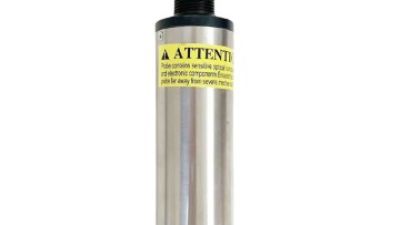
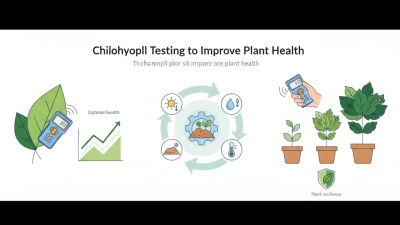
When it comes to keeping plants healthy and thriving, lots of farmers and gardeners are turning to tools like the Chlorophyll Tester. Recent reports from the International Society of Plant Scientists highlight just how important accurate chlorophyll readings are — they really help you understand how vigorous your plants are and if they’re under stress. This info can make a big difference, leading to healthier plants and better crop yields. Dr. John Green, a well-known agronomist, even mentioned that “a reliable Chlorophyll Tester can be a total game changer in precision agriculture.”
Today’s farmers and folks into gardening are dealing with all kinds of hurdles — unpredictable weather, pests, you name it. Having a good Chlorophyll Tester allows you to keep an eye on your plants’ health in real time, providing crucial data to help make smarter decisions. Top-notch models can even tell you about nitrogen levels and how lively your plants really are. That said, it’s super important to pick the right device — some might not be as accurate or durable as they claim, which could lead to misunderstandings about your plants’ health.
While many brands boast about their cutting-edge tech, not all live up to the hype. When choosing one, things like how easy it is to use, whether it’s easy to calibrate, and the kind of support available should really matter. The right Chlorophyll Tester can definitely help boost your productivity, but finding the perfect fit takes some careful thought. Investing in a good quality tool is worth it, but don’t rush — a little research will go a long way to making sure you get what you really need.
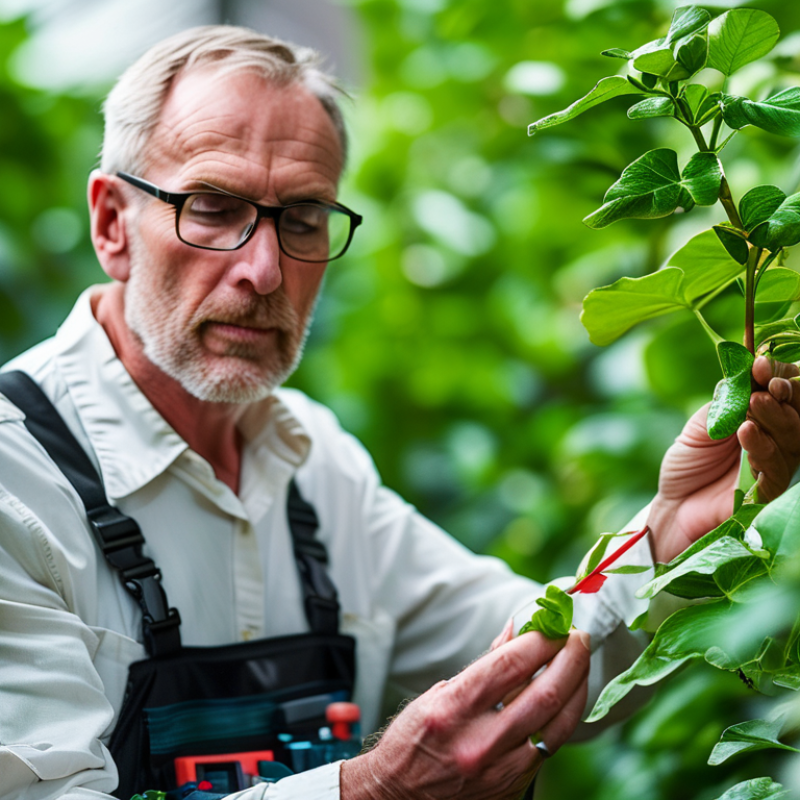
Overview of Chlorophyll Tester Importance in Plant Health Assessment
Chlorophyll testers play a crucial role in assessing plant health. These devices measure chlorophyll content, which indicates how well a plant is photosynthesizing. When plants are stressed, chlorophyll levels drop, alerting growers to potential issues. Recognizing these signs early can lead to better management decisions.
Understanding how to effectively use Chlorophyll Meters can enhance your gardening efforts. Regular monitoring can provide actionable insights. Different plants may require varying chlorophyll levels, so awareness of species-specific needs is essential. Calibration of the meters is important for accurate readings, as even minor errors can lead to misinterpretations.
When using chlorophyll testers, timing is key. Take measurements during optimal sunlight to get the best data. Always consider environmental factors such as temperature and soil conditions, as they can affect readings. Regularly maintaining your chlorophyll meter ensures ongoing reliability and performance. This attention to detail can significantly improve the health of your plants over time.
Key Features to Look for in a Chlorophyll Tester
When choosing a chlorophyll tester, it's essential to focus on key features that affect plant health monitoring. A high-quality tester should offer accurate readings of chlorophyll content, often measured in SPAD (Soil Plant Analysis Development) units. The ideal device provides readings within seconds, reducing the time spent in the field. Calibration options, ease of use, and display clarity are crucial as well. A study by the American Society of Horticultural Science found that timely chlorophyll assessments can boost crop yields by up to 20%.
Consider the range of measurement capabilities. Some testers can evaluate a variety of plants, while others limit their focus. Accuracy in low-light conditions can also be a major factor. Devices with data logging capabilities allow for tracking plant health over time, making it easier to adapt care strategies. Remember, having equipment that communicates effectively with smartphones could enhance your ability to analyze data swiftly.
Another noteworthy aspect is battery life. A tester that requires frequent recharging can disrupt your workflow. Many users overlook the importance of a lightweight design. A cumbersome device can deter fieldwork. Reflecting on your priorities will help you choose wisely. Ultimately, understanding the technology and its application is key to improving plant health management.
Top 10 Recommended Chlorophyll Testers for Gardeners and Farmers
Chlorophyll testers are essential tools for gardeners and farmers aiming to assess plant health accurately. These devices offer a quick way to measure chlorophyll levels, which directly correlate with the vitality of plants. According to a 2022 report by the Agricultural Research Service, optimal chlorophyll content can significantly influence crop yield. Monitoring this can help in making informed decisions regarding fertilization and irrigation.
When using a chlorophyll tester, it's important to take multiple readings across different areas of the plant. This practice ensures a more accurate representation of chlorophyll levels. Some studies suggest that uniform readings indicate a healthier crop, while variability can signal underlying issues such as nutrient deficiency. Regular monitoring allows for timely interventions when problems arise.
Many users overlook the calibration of their testers, which can lead to misleading results. It's crucial to follow the manufacturer’s guidelines for accurate readings. Also, understanding the specific needs of different plants can improve outcomes. Consider seasonal variations; some plants may require adjustments in nutrient input based on their growth stages. This tailored approach can enhance both health and productivity.
Comparative Analysis of Chlorophyll Testers' Accuracy and Reliability
Accurate measurement of chlorophyll levels is essential for assessing plant health. Various instruments provide estimates, but accuracy varies. According to a study by the Journal of Plant Nutrition, discrepancies of up to 20% in readings are common among different testers. This variability can lead to mismanagement of crops, affecting yield and quality. Reliable technological advancements are crucial for improving precision in chlorophyll assessment.
Research indicates that some testers utilize spectral sensors to measure chlorophyll content more reliably. For instance, data shows that models employing multispectral analysis can provide readings with a margin of error under 5%. This level of precision helps farmers make informed decisions. However, not all products offer similar accuracy. It's essential for users to understand each tester's capabilities and limitations. A rigorous comparison is vital for effective application.
Reflecting on user experiences, many find that environmental factors can skew measurements. Factors such as light intensity and leaf angle affect readings. While testers offer a practical solution, they are not infallible. Users must remain cautious of their limitations and continuously adapt practices based on ongoing evaluations. Ensuring accuracy goes beyond choosing the right device; it requires ongoing education and understanding.
Cost Considerations: Budget-Friendly vs. High-End Chlorophyll Testers
When selecting a chlorophyll tester, budget plays a significant role. You can opt for budget-friendly options that provide basic readings, suitable for home gardeners. However, keep in mind that these testers may not offer advanced features. For precision, higher-end models are better suited for professionals or serious gardeners. They often include data logging and advanced sensors.
Understanding these cost differences is essential. Budget models can yield inconsistent results, impacting your plant health assessments. A simple calibration method may suffice for casual use, but more accuracy is crucial in larger operations. This requires a suitable investment in reliable Chlorophyll Sensors.
Some tips for choosing the right chlorophyll sensor include assessing your plant types and your gardening goals. Know what features are vital for your needs. Also, consider the possibility of seeking out reviews or user experiences that focus on long-term performance and reliability. Quality can sometimes outweigh the initial price tag, making higher-end options a better choice in the long run. Ensure the sensor you choose has clear data output, facilitating easier tracking of your plants' health metrics.
User Reviews: Insights from Experienced Plant Care Enthusiasts
User reviews often reveal the nuances of using a Chlorophyll Detector. Many experienced plant care enthusiasts appreciate how these tools measure chlorophyll levels accurately. They find that data helps guide watering and nutrient adjustments. However, some users mention challenges with calibration. An inaccurate reading can lead to over or under fertilizing. Such issues teach valuable lessons about understanding each plant's needs.
Another point often discussed is ease of use. Some testers are user-friendly, requiring minimal setup. Yet, others become frustrating for newcomers. Feedback highlights the importance of reading instructions carefully. A few reviews emphasize that advanced features may overwhelm beginners. The performance varies significantly across products. This reflection has led many plant lovers to share their experiences and recommend simple devices.
Community forums are a treasure trove of insights. Users exchange tips on maximizing the effectiveness of their Chlorophyll Detector. Sharing successes and setbacks fosters a learning environment. Some enthusiasts even suggest homemade tests as supplementary tools. Engaging with others about plant health aids personal growth. Ultimately, each user's journey can provide solutions to common issues.
Maintenance Tips for Prolonging the Life of Your Chlorophyll Tester
Proper maintenance can significantly prolong the life of your chlorophyll tester. Regular calibration is essential for accurate readings. This adjustment ensures that your Chlorophyll Analyzer provides the best results for plant health diagnostics. According to industry data, testers that are recalibrated every six months show a 30% increase in measurement accuracy. It’s a small commitment for improved performance.
Cleaning the device properly is another key factor. Use a soft cloth to wipe down the sensors and remove any residues. Avoiding harsh chemicals is critical; they can damage sensitive components. Reports indicate that improper cleaning can shorten the life of these devices by up to 25%. A well-cared-for analyzer will deliver consistent readings.
Consider using a protective case. Storing your chlorophyll tester in a case reduces exposure to dust and moisture. Even minor environmental factors can affect accuracy and lifespan. Keeping a log of usage and maintenance can also help track patterns. This knowledge can reveal potential issues early on, allowing for prompt solutions. Remember that small actions can prevent significant problems in the long run.
Enhancing Aquatic Monitoring with High-Precision UV Fluorescent Chlorophyll Sensors: Insights from Recent Industry Data Reports
Recent industry data reports highlight the critical role of high-precision UV fluorescent Chlorophyll Sensors in advancing aquatic monitoring efforts. These sensors are designed to deliver reliable, real-time measurements of chlorophyll concentrations, which are essential for assessing water quality and managing ecosystems. Utilizing advanced modulation and coherent detection technology, these sensors enhance sensitivity and minimize external interference, addressing the increasing demand for accurate data in environmental monitoring.
The significance of these sensors is underscored by their effectiveness in monitoring algal blooms and assessing water eutrophication. Recent studies indicate that the timely detection of changes in chlorophyll levels can lead to proactive management strategies, essential for maintaining ecological balance in various aquatic environments such as lakes, rivers, and reservoirs. Moreover, the integration of these sensors into online monitoring systems allows for continuous data collection without the need for chemical reagents, which not only reduces operational costs but also minimizes environmental impact.
Equipped with features like an automatic cleaning mechanism, these sensors are engineered to prevent biofouling, ensuring long-term stability and performance. Housed in robust materials, they support various communication protocols, facilitating seamless connectivity with existing industrial and research platforms. The implementations of such high-precisIon Sensors reflect a commitment to sustainable aquatic management practices, empowering stakeholders to make informed decisions based on comprehensive data insights.
FAQS
: Look for accurate readings, ease of use, and good display clarity.
Ideal testers provide readings within seconds, saving time in the field.
Calibration options help maintain accuracy, especially in varied conditions.
Yes, many testers have data logging capabilities for tracking.
A shorter battery life can disrupt your workflow during fieldwork.
Budget-friendly options are suitable, but may lack advanced features.
A lightweight design makes fieldwork easier and more efficient.
Budget testers may yield inconsistent results, while high-end models offer precision.
Effective communication with smartphones can enhance data analysis efficiency.
Sometimes, investing in quality is worth it for long-term performance.
Conclusion
Chlorophyll testers play a crucial role in assessing plant health by measuring the chlorophyll content, which indicates the overall vitality of plants. In the outlined article, the importance of these devices is highlighted, along with key features that gardeners and farmers should consider when selecting a chlorophyll tester. The top ten recommended testers are reviewed for their accuracy and reliability, offering insight into both budget-friendly and high-end options.
Additionally, the article discusses user reviews from experienced plant care enthusiasts, providing valuable perspectives on the effectiveness of various models. It emphasizes the need for maintenance to prolong the life of chlorophyll testers, making them an essential tool for anyone looking to optimize plant health through informed decision-making.





 Contact WhatsApp
 Contact Phone
 Contact Email