





- Multi-parameter Water Analyzer
- Single-Parameter Water Aalyzer
- DO Sensor
- Trace DO Sensor
- CO₂ Sensor
- COD Sensor
- EC TDS Sensor
- Salinity EC TDS Sensor
- TSS Sensor
- Turbidity Sensor
- PH Sensor
- ORP
- Ion Selective Sensor
- Ammonia Nitrogen Sensor
- Oil in Water Sensor
- Blue-Green Algae Sensor
- Chlorophyll Sensor
- Residual Chlorine Sensor
- Marine Current Sensor
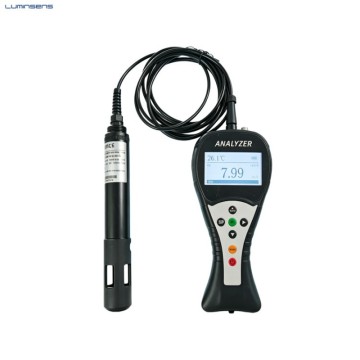
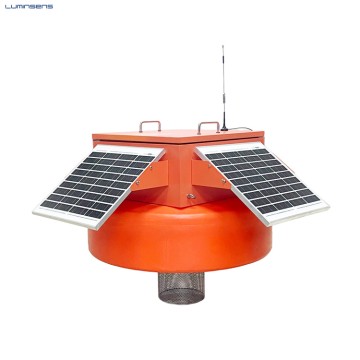
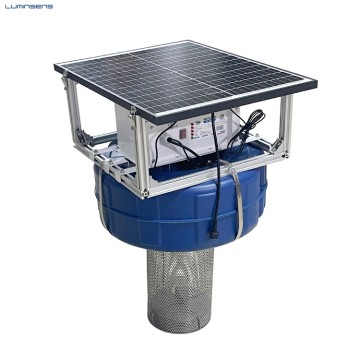


China Suppliers Factory UV Fluorescent OIW Meter for Accurate Oil Detection in Water Quality Monitoring
Product Parameters
| Product Name | Oil In Water Sensor (OIW) |
| Measurement method | Fluorescent |
| Range | 0-50 mg/L ; 0-5 mg/L; Temperature: 0-50 ℃ |
| Accuracy | ±3%F.S. Temperature: ±0.5℃ |
| Power | 9-24VDC (Recommend 12 VDC) |
| Size | 48mm * 125mm |
| Material | 316L Stainless Steel |
| Output | RS-485, MODBUS protocol |
Product Features
Application

Digital RS485 water quality sensors technical data
| Parameter | Model | Range | Accuracy |
|---|---|---|---|
| DO sensor | LMS-DO10B | 0-20mg/L, 0-60℃ | ±0.1-0.3mg/L |
| DO sensor | LMS-DO10C | 0-20mg/L, 0-60℃ | ±0.3mg/L |
| Trace DO sensor | LMS-TDO100 | 0-2000ppb, 0-50℃ | ±1ppb |
| PH sensor | LMS-PH100 | 0-14pH | ±0.02pH |
| ORP sensor | LMS-ORP100 | ±1000.0 mV | ±0.2 mV |
| EC/TDS sensor | LMS-TDS102 | CT: 0-9999uS/cm; 0-100mS/cm; TDS: 0-10000ppm |
±2.5%FS |
| Salinity/EC/TDS sensor | LMS-SAL104 | Conductivity: 0.1-500 mS/cm TDS:0-60000ppm Salinity: 0-500.00ppt |
±1.5%FS |
| COD sensor | LMS-COD100 | COD:0.1-1500mg/L TOC:0.1-750mg/L BOD:0.1-900mg/L Turbidity: 0.1-4000NTU Temperature range: 0-50 ℃ |
±5% equiv.KHP Temperature: ± 0.5 ℃ |
| TSS sensor | LMS-TSS100 | 0-50000mg/L/ 0-120000mg/L | ±10%FS or 10 mg/L |
| Turbidity sensor | LMS-TUR10L | 0-100NTU | ±10%FS or 0.3 NTU |
| Turbidity sensor | LMS-TUR10H | 0-3000NTU | ±10%FS or 0.3 NTU |
| CO2 sensor | LMS-CO2100 | 2000PPM/10000PPM/50000PPM | ±5%FS |
| Ammonia Nitrogen sensor | LMS-NH4100 | 0-1000 mg/L | ±5%FS |
| Ion Selective sensor | LMS-ION100 | 0-1000 mg/L | ±5%FS |
| Oil in Water sensor | LMS-OIL100 | 0-50 mg/L ; 0-5 mg/L | ±3%FS |
| Chlorophyll sensor | LMS-CHL100 | 0-500ug/L | ±3%FS |
| Blue-Green Algae sensor | LMS-BGA100 | 0-2000,000 cells/ml | ±3%FS |
| Residual Chlorine sensor | LMS-HCLO100 | 0 - 20.00 ppm | ±5%FS |
| Marine Current sensor | LMS-Current100 | Temperature: -3℃ - 45℃ Velocity of flow: 0-500 cm/s Flow direction: 0-359.9° |
±0.05℃ ±1 cm/s or ±2% ±2° |

Frequently Asked Questions (FAQ)
Q1: What measurement method does the Oil In Water (OIW) sensor use?
A1: The OIW sensor utilizes a fluorescent measurement method. It features a specialized UV light source that excites hydrocarbon fluorescence, allowing it to filter out interference from suspended particles and chromaticity.
Q2: Does the sensor require chemical reagents for operation?
A2: No, the sensor features a reagent-free and eco-friendly design. It operates without any chemical reagents, eliminating secondary pollution and significantly reducing operational costs.
Q3: How does the OIW sensor handle turbidity and sediment in water?
A3: The sensor is equipped with advanced automatic turbidity compensation algorithms. These dynamically adjust the measurements to account for fluctuations in turbidity, ensuring reliable performance in variable-quality or sediment-laden waters.
Q4: What material is the OIW sensor constructed from and what is its size?
A4: The sensor is constructed from high-durability 316L Stainless Steel, making it suitable for harsh environments. Its physical dimensions are 48mm in diameter and 125mm in length.
Q5: What communications and output protocols are supported?
A5: The sensor supports RS-485 communication with the standard MODBUS protocol, allowing for easy integration into existing PLC, SCADA, or environmental monitoring systems.
Q6: How is biofilm and fouling prevented on the sensor?
A6: It features an integrated self-cleaning wiper system. This mechanical wiper prevents biofilm buildup and fouling on the optical window, reducing the need for manual maintenance and ensuring long-term data reliability.