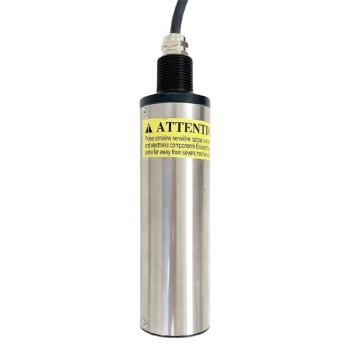
Industrial Fresh Water Detection: Market Status & Technology Insights
The Critical Role of Fresh Water Detectors in Modern Industry
Fresh water is the lifeblood of global manufacturing, power generation, food processing, and chemical synthesis. However, the raw water sourced from municipal systems, rivers, or underground reservoirs is rarely pure enough to be used directly in sensitive industrial processes. Contaminants such as dissolved oxygen, organic matter, heavy metals, suspended solids, and fluctuating pH levels can lead to catastrophic equipment failures, product recalls, and severe environmental penalties. This makes the integration of a robust fresh water detector for industrial use a necessity rather than an option. Modern industrial plants rely on continuous, real-time sensing to maintain process stability, optimize water usage, and comply with strict regulatory frameworks.
"In the era of Industry 4.0, water quality is no longer just an environmental metric—it is a critical operational parameter that directly influences production yield, energy efficiency, and equipment lifespan."
Current Commercial & Industrial Landscape
The global demand for industrial water quality monitoring has surged dramatically over the past decade. Driven by escalating water scarcity, rising costs of raw water acquisition, and stringent environmental discharge policies, industries are actively shifting from traditional manual laboratory testing to automated online sensing networks. Industries such as microelectronics, pharmaceuticals, and high-pressure steam generation require ultra-pure water (UPW) where even parts-per-billion (ppb) levels of impurities can disrupt production.
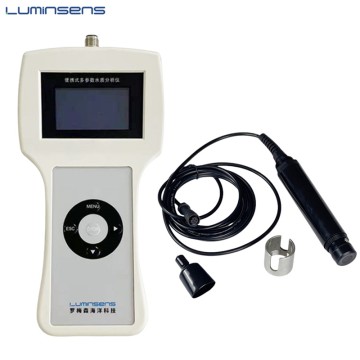
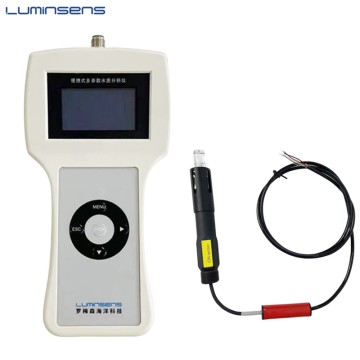
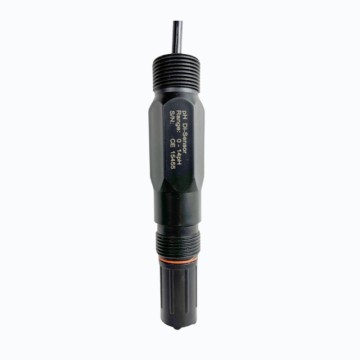
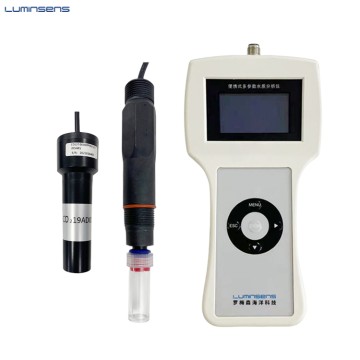
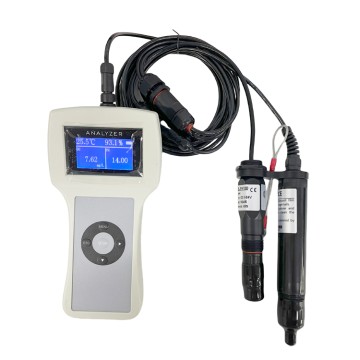
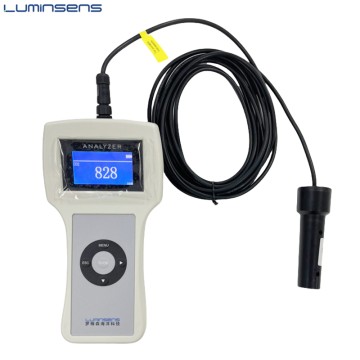
Consequently, manufacturing plants are investing heavily in multi-parameter sensing stations. These setups deploy digital sensors measuring dissolved oxygen (DO), pH, conductivity, turbidity, and chemical oxygen demand (COD) directly within the water loop. By implementing a continuous fresh water detector for industrial use, operations managers can prevent scale formation in boiler tubes, avoid biofouling in cooling towers, and ensure the chemical integrity of process inputs.
Key Technological Trends & Innovations
The technological landscape of water quality monitoring is undergoing a major transition characterized by several key trends:
-
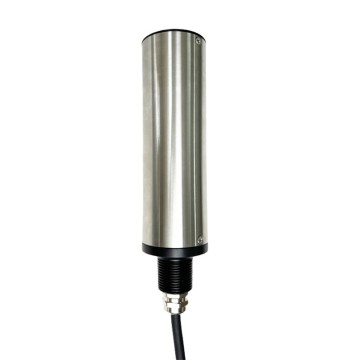
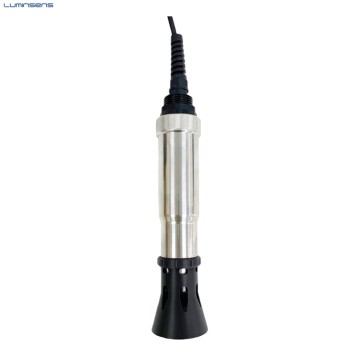
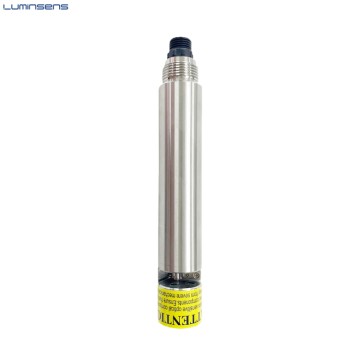
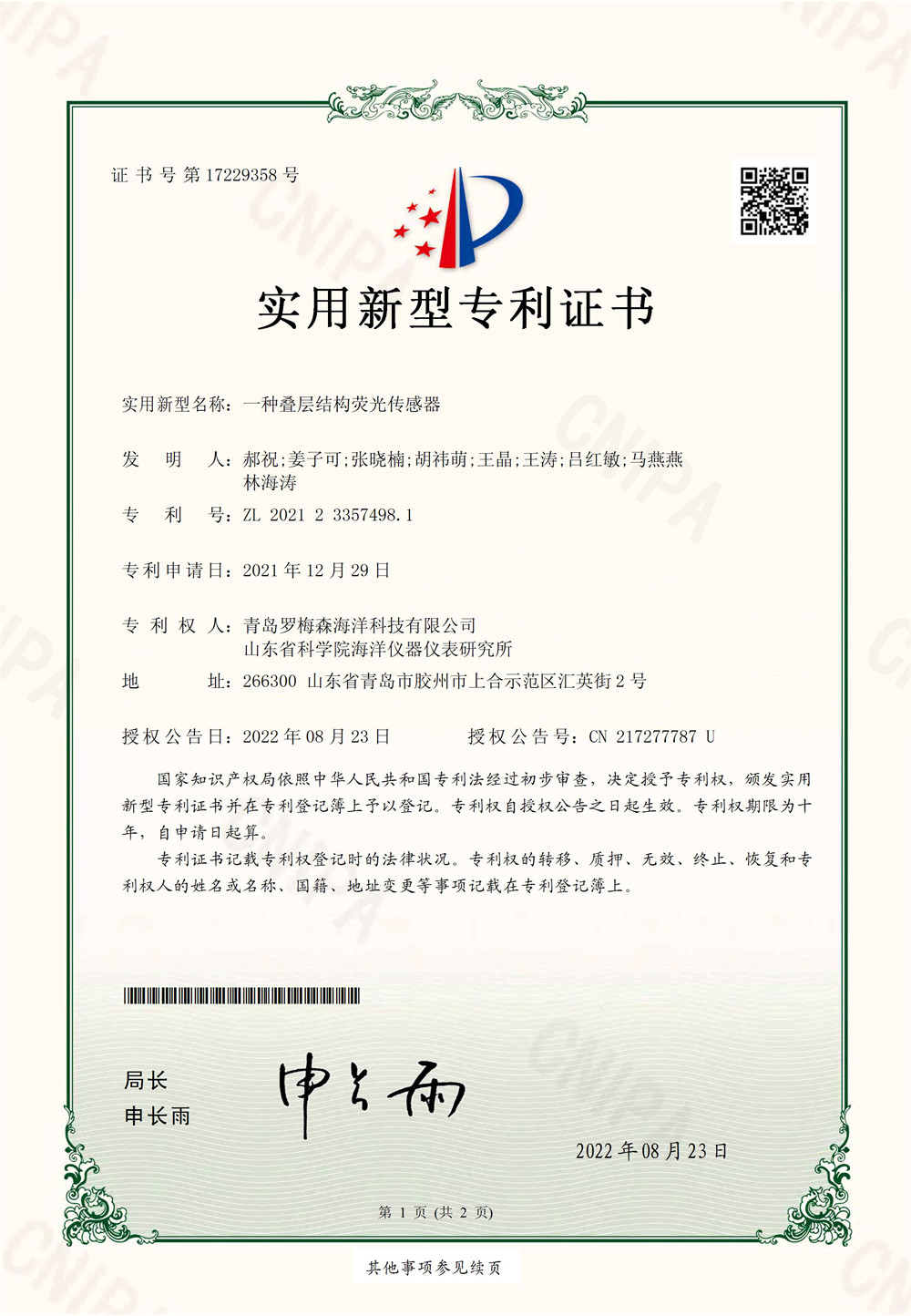
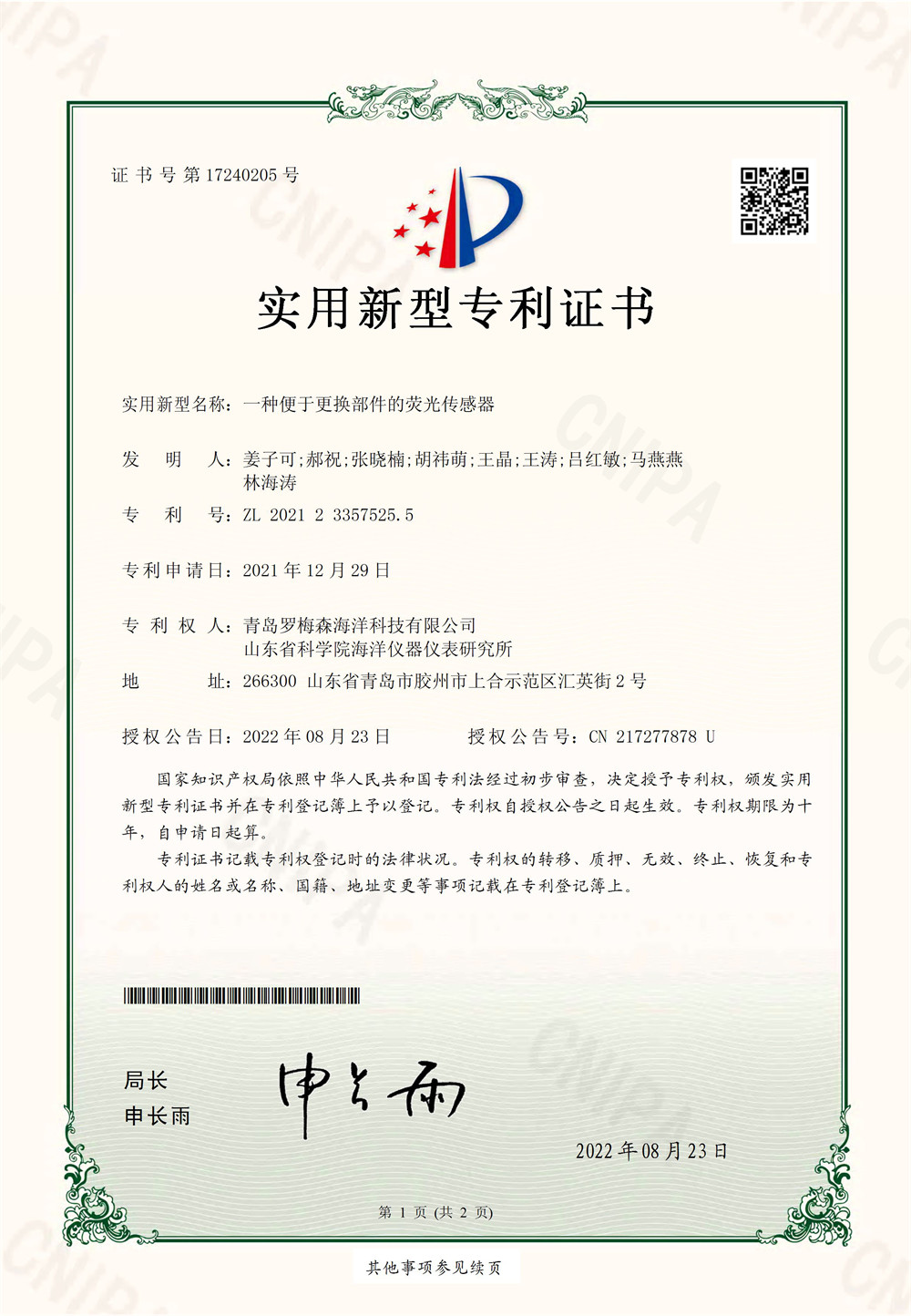
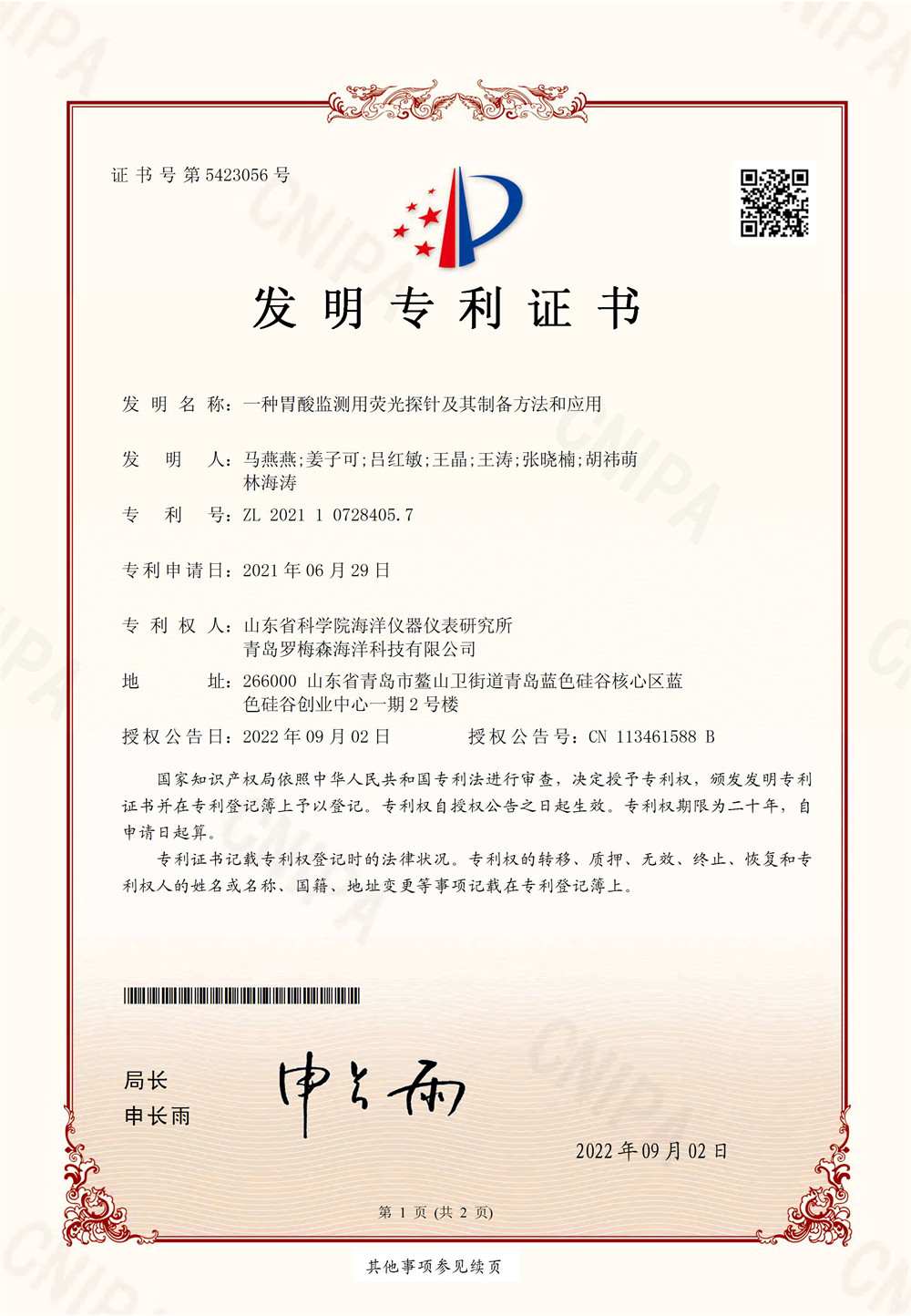
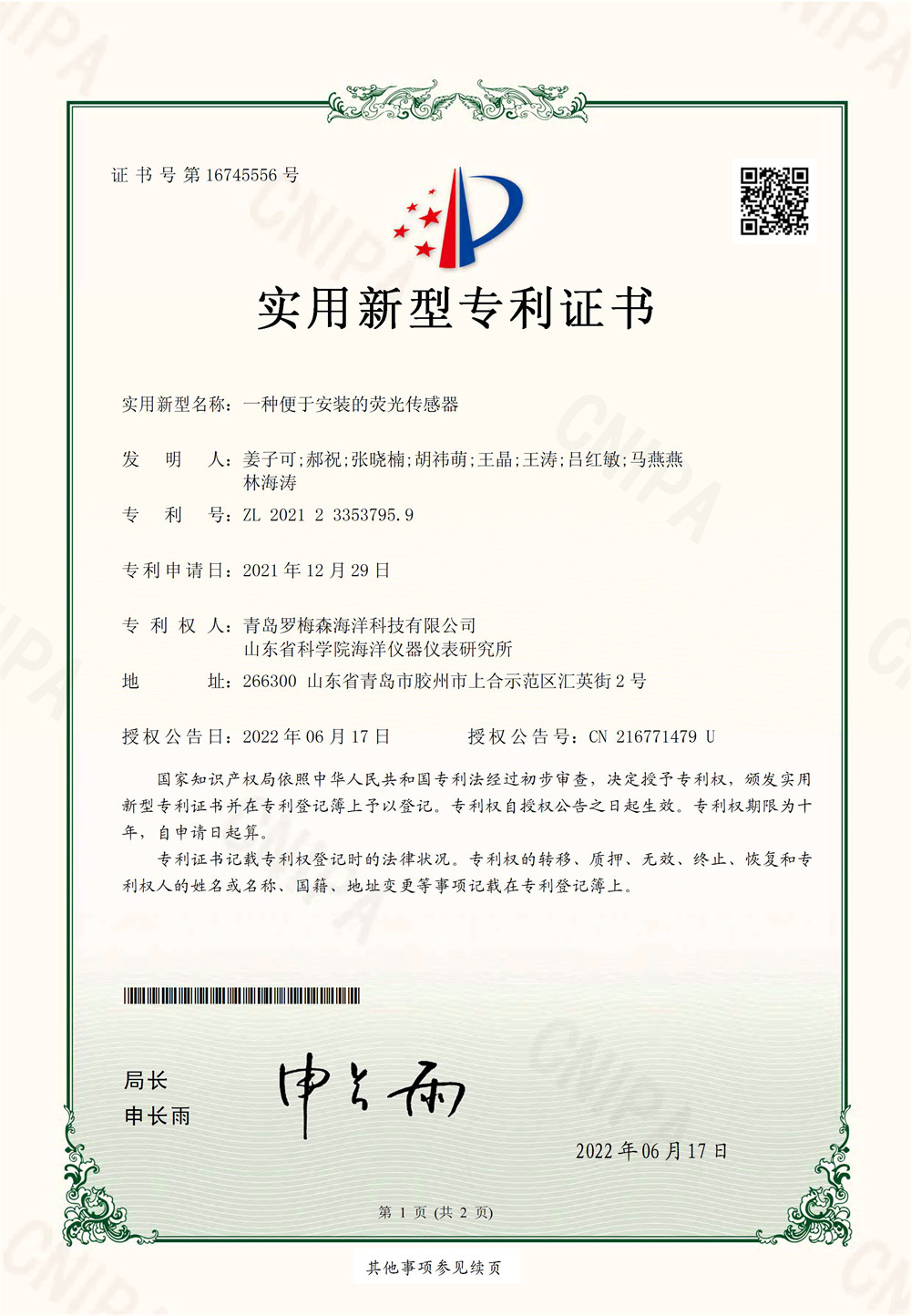
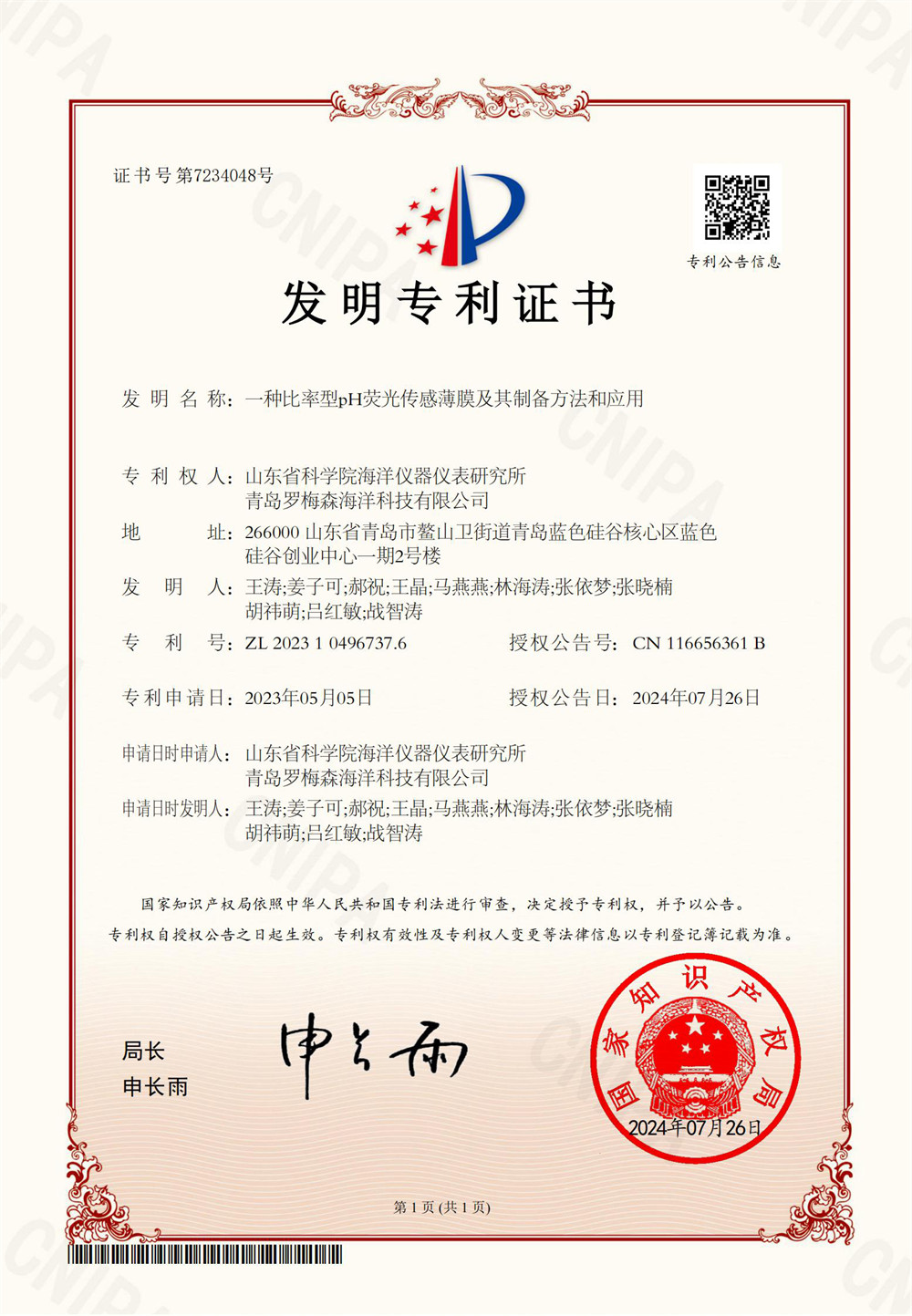
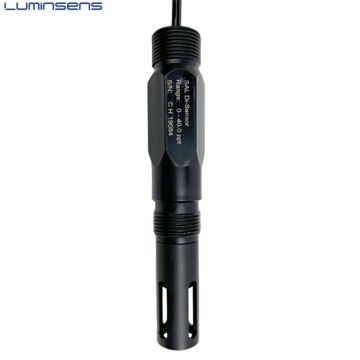
Transition to Optical and Fluorescent Sensing: Traditional electrochemical sensors (like galvanic DO probes) suffer from high maintenance requirements, rapid membrane degradation, and susceptibility to polarization. Modern optical sensors, particularly fluorescent dissolved oxygen and UV-fluorescent oil-in-water sensors, offer drift-free performance, long-term calibration stability, and do not consume oxygen during measurement.
-
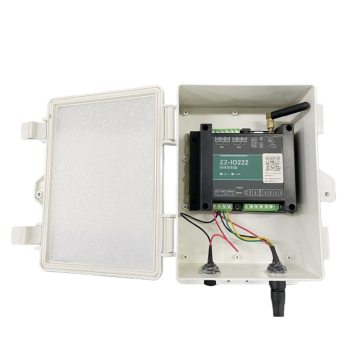
Digital Protocols and IoT Integration: The industry is moving away from analog 4-20mA loops toward intelligent digital communication. RS485 Modbus RTU protocols allow direct sensor-to-PLC or sensor-to-SCADA integration, enabling remote diagnostics, sensor health monitoring, and simplified wiring configurations.
-
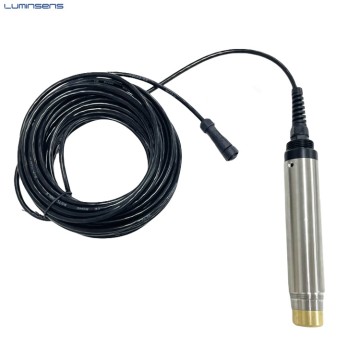
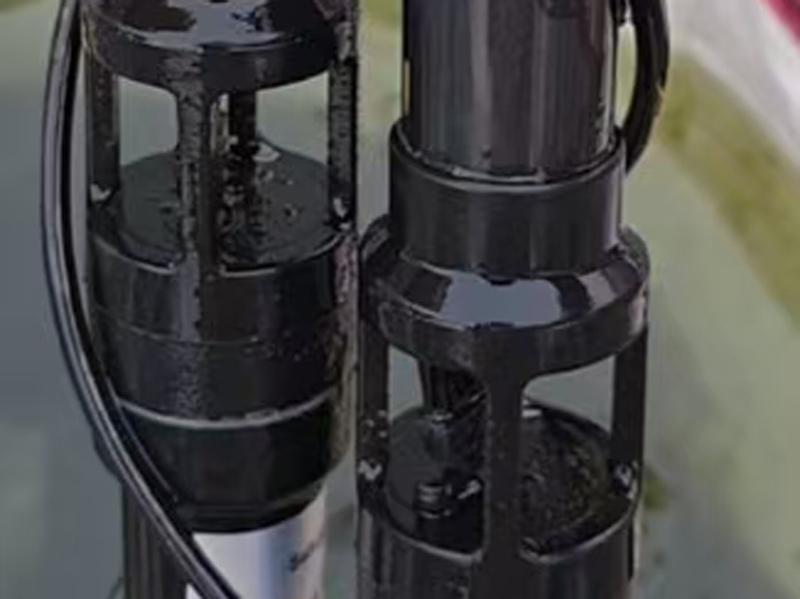
Biofouling Resistance: In industrial environments, sensors are highly prone to bio-growth and mineral scaling. The integration of mechanical self-cleaning brushes and antimicrobial materials (such as 316L stainless steel and titanium housings) has significantly extended maintenance cycles from weeks to months.
-
Edge Computing and Predictive AI: Smart sensors now come equipped with onboard microprocessors capable of performing temperature compensation, signal filtering, and calibration drift estimation at the sensor level, reducing the computational load on central control systems.
Deep Dive: Application Scenarios in Industrial Settings
1. Boiler Feedwater and Cooling Tower Loop Management
In thermal power plants and heavy manufacturing facilities, boilers generate high-pressure steam to drive turbines. The presence of dissolved oxygen in boiler feedwater leads to rapid oxygen pitting and localized corrosion, which can cause catastrophic boiler tube bursts. A high-precision fluorescent dissolved oxygen sensor ensures that DO levels remain below critical thresholds (often
2. Pharmaceutical Production and Cleanroom Utilities
Pharmaceutical formulation requires Water for Injection (WFI) and purified water of the highest grade. Organic contaminants or microbial growth can compromise entire batches of medicine. Online TOC (Total Organic Carbon) and multi-electrode conductivity sensors monitor water purity continuously. Any deviation triggers automated valves to divert non-compliant water, ensuring that only pure, contaminant-free water enters the production line.
3. Food, Beverage, and Beverage Bottling Plants
For the food and beverage industry, water quality directly impacts taste, appearance, and shelf life. Turbidity sensors ensure that filtration systems are functioning perfectly, while pH and dissolved carbon dioxide analyzers monitor the consistency of carbonated beverages. Additionally, chemical disinfection loops rely on residual chlorine and ozone sensors to verify that sanitation processes are effective without leaving harmful chemical residues.
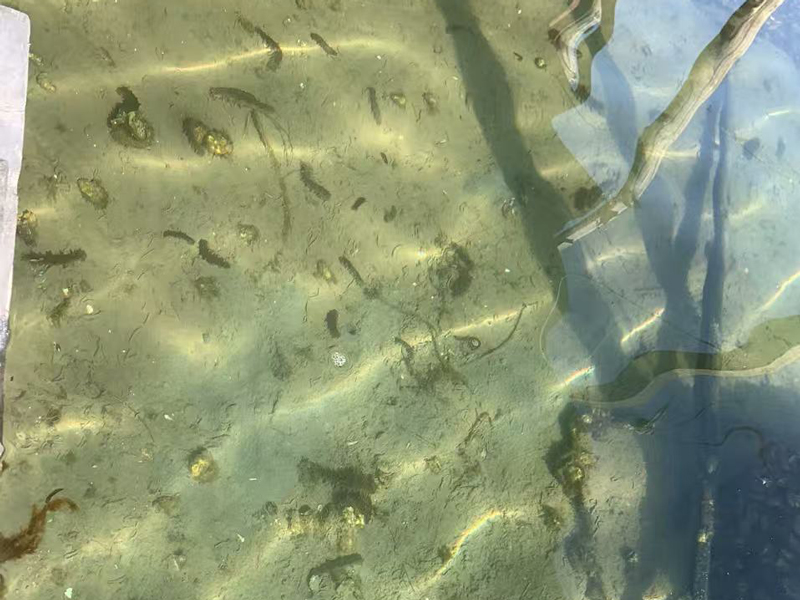
4. Recirculating Aquaculture Systems (RAS) & Industrial Fish Farming
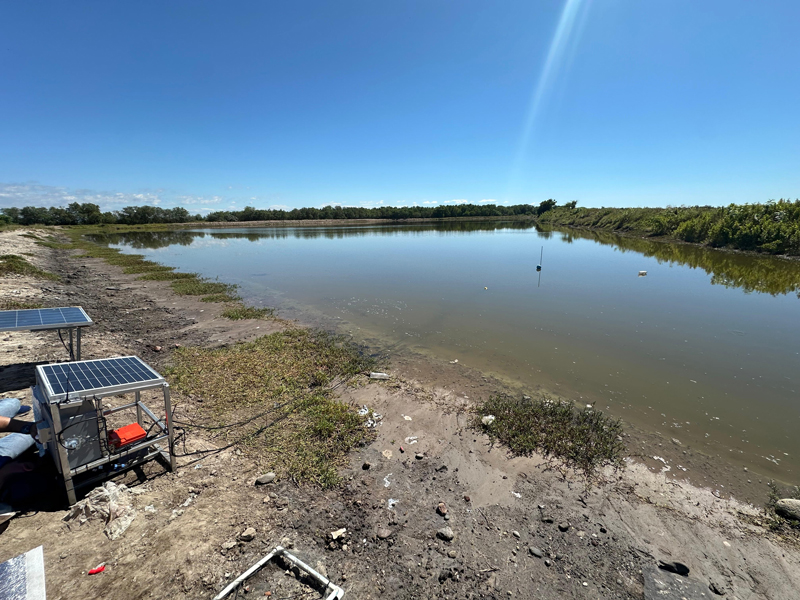
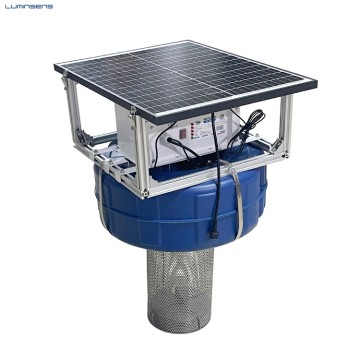
Modern land-based aquaculture relies on high-density stocking, where water quality parameters can fluctuate rapidly. Ammonia nitrogen (NH4+), dissolved oxygen, and pH must be monitored around the clock. An automated sensor array connected to 4G telemetry modules allows operators to receive real-time alerts on their mobile devices, preventing mass mortality events and optimizing feeding schedules based on metabolic oxygen consumption.
5. Industrial Wastewater Treatment and Process Water Reuse
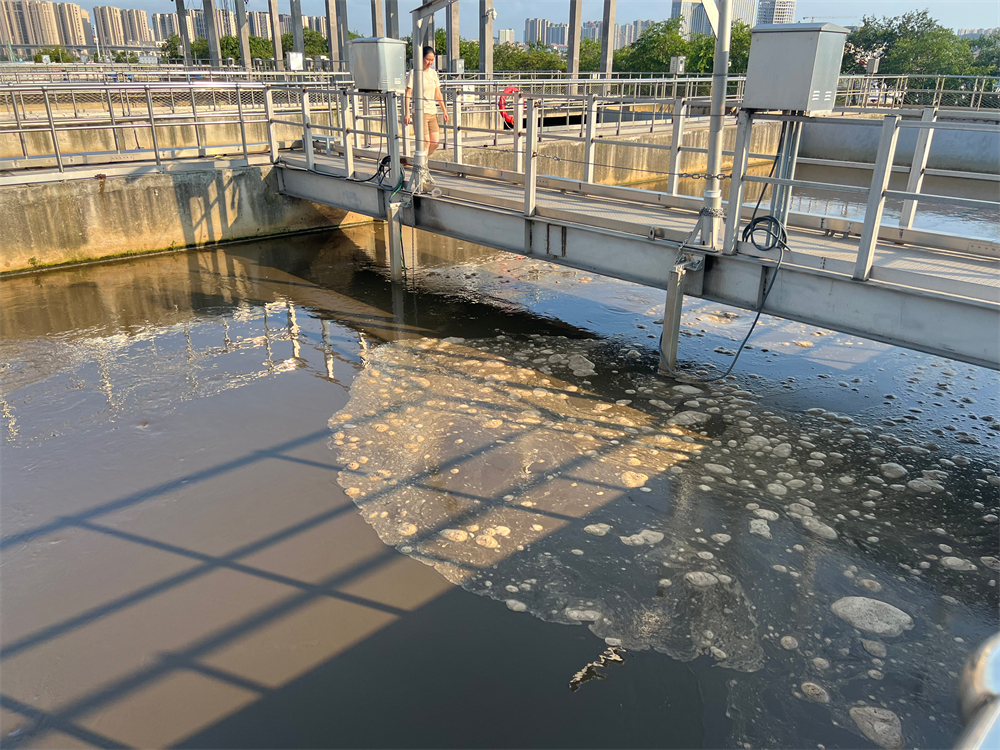
To meet environmental discharge regulations and achieve zero liquid discharge (ZLD) goals, factories must treat their wastewater before release or recycling. UV absorption sensors for COD/BOD, along with oil-in-water (OIW) monitors, trace organic loads and oil contaminants. Early detection of organic spikes prevents the poisoning of biological treatment basins, saving millions in plant rehabilitation costs.





 Contact WhatsApp
 Contact Phone
 Contact Email