





- Multi-parameter Water Analyzer
- Single-Parameter Water Aalyzer
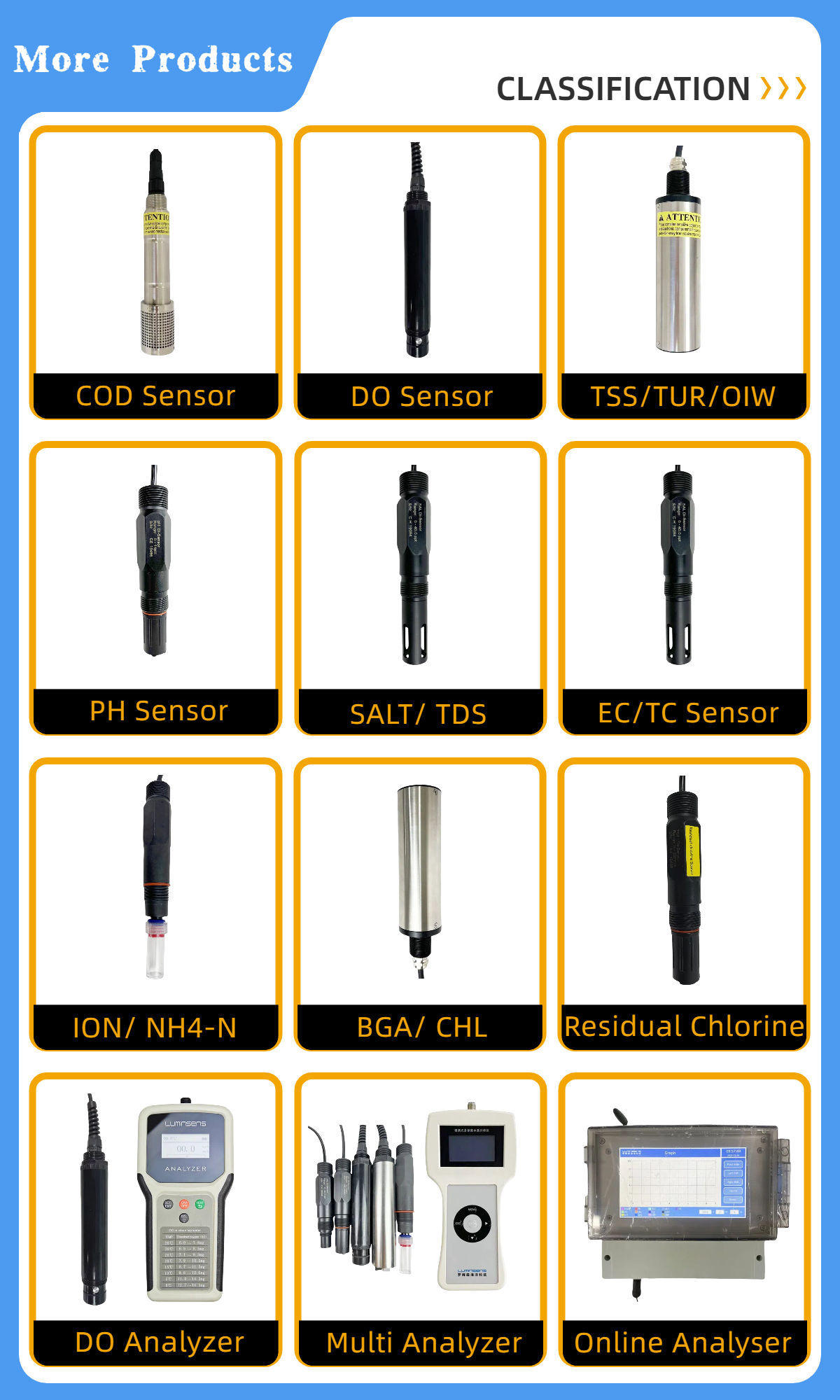
- DO Sensor
- Trace DO Sensor
- CO₂ Sensor
- COD Sensor
- EC TDS Sensor
- Salinity EC TDS Sensor
- TSS Sensor
- Turbidity Sensor
- PH Sensor
- ORP
- Ion Selective Sensor
- Ammonia Nitrogen Sensor
- Oil in Water Sensor
- Blue-Green Algae Sensor
- Chlorophyll Sensor
- Residual Chlorine Sensor
- Marine Current Sensor
0102030405
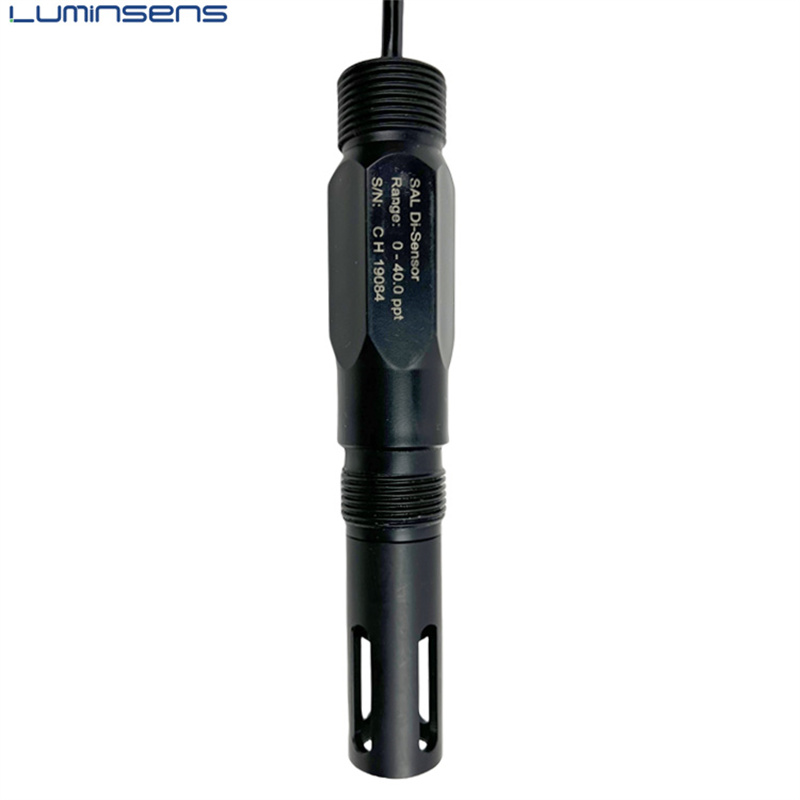


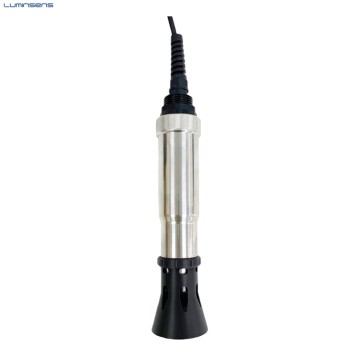
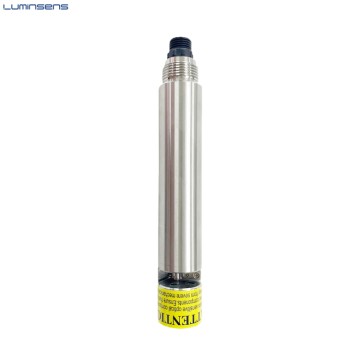
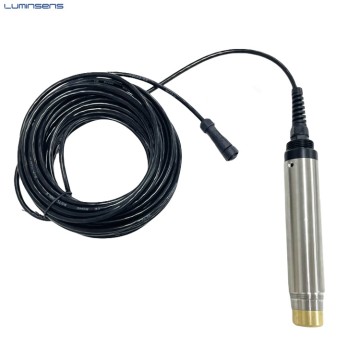
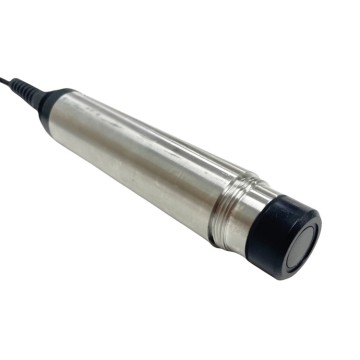
High-Precision RS485 Four-Electrode Conductivity EC Sensor for Water Quality by China Suppliers and Factory
Product Parameters
| Product Name | Four-electrode salinity/conductivity/TDS sensor |
| Range | Conductivity: 0.1~500ms/cm Salinity: 0-500ppt TDS: 0-500ppt |
| Accuracy | Conductivity: ±1.5% Salinity: ±1ppt TDS: 2.5%FS |
| Power | 9-24VDC (Recommend 12 VDC) |
| Material | Polymer Plastic |
| Size | 31mm * 140mm |
| Working Temperature | 0-50℃ |
| Cable length | 5m, can be extended according to user need |
| Sensor Interface Supports | RS-485, MODBUS protocol |
Product Features
① Precise Four-Electrode Design
The innovative four-electrode structure minimizes polarization effects, significantly improving measurement accuracy compared to traditional two-electrode sensors. This design ensures stable performance even in high-conductivity or ion-rich solutions, making it ideal for challenging water quality scenarios.
② Wide Measurement Capability
With a broad range covering conductivity (0.1–500 mS/cm), salinity (0–500 ppt), and TDS (0–500 ppt), the sensor adapts to diverse water types—from pure freshwater to concentrated seawater. Its full-range automatic switching eliminates user error by dynamically adjusting to the detected parameters, ensuring hassle-free operation.
③ Robust and Durable Construction
The corrosion-resistant polymer electrode and housing material withstand harsh chemical environments, making the sensor suitable for long-term submerged use in seawater, industrial wastewater, or chemically treated water. The flat surface design reduces biofouling and debris accumulation, simplifying maintenance and ensuring consistent data reliability.
④ Stable and Interference-Resistant
An isolated power supply design mitigates electromagnetic interference, ensuring stable signal transmission and data integrity in electrically noisy industrial settings. This feature is critical for applications requiring continuous monitoring, such as automated process control systems.
⑤ Easy Integration and Communication
Support for the standard MODBUS RTU protocol via RS-485 enables seamless connectivity to a wide range of control systems, PLCs, and data loggers. This compatibility streamlines integration into existing water quality management networks, facilitating real-time data collection and remote monitoring.
⑥ High Environmental Adaptability
Designed for versatile use, the sensor operates effectively in both freshwater and seawater environments, with a compact form factor and G3/4 threaded connections for easy installation in pipelines, tanks, or open-water monitoring stations. Its robust build ensures reliable performance across varying temperatures and pressure conditions.
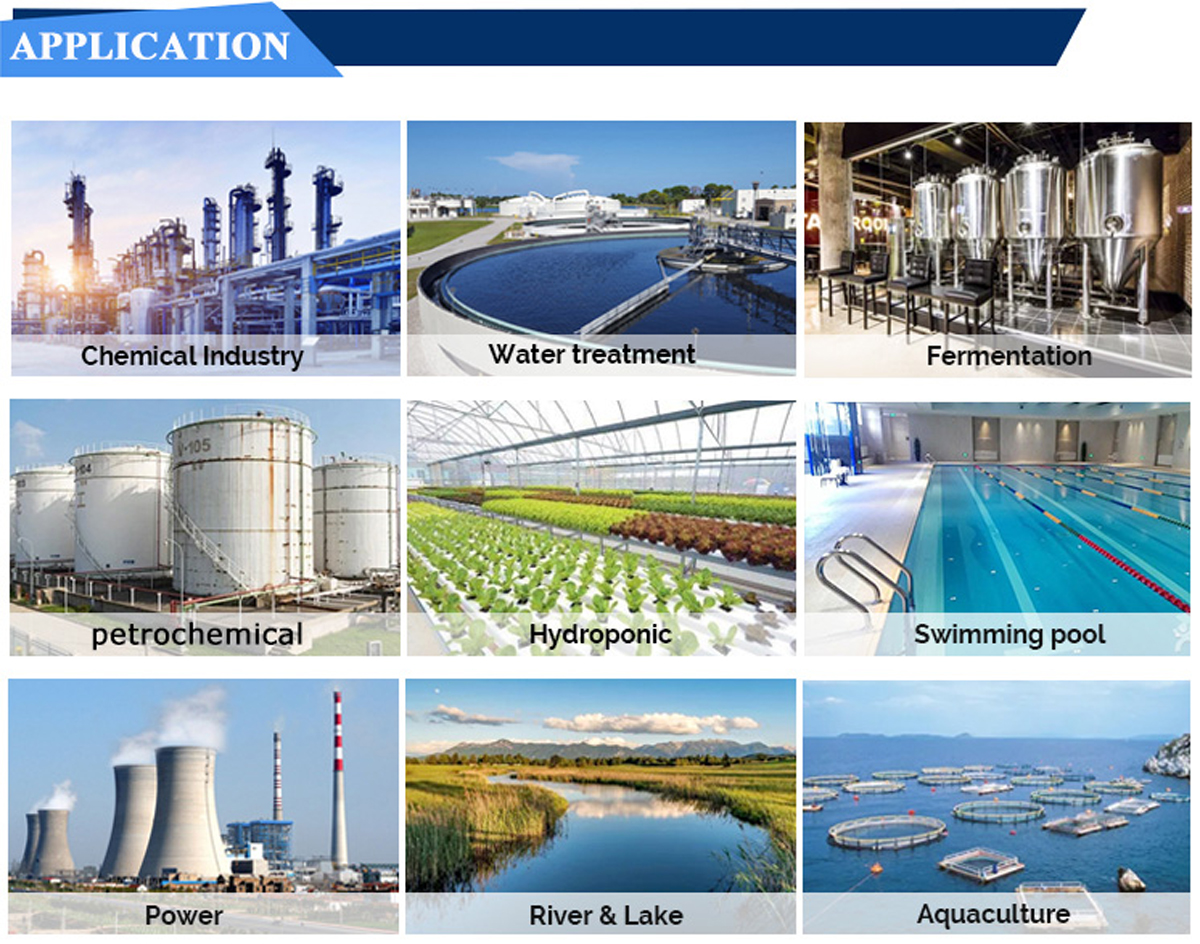
Application
1. Seawater Aquaculture & Fisheries Management
Monitors seawater salinity and conductivity in real time to optimize aquaculture environments and prevent salinity fluctuations from harming aquatic life.
2. Industrial Wastewater Treatment
Tracks ion concentration in wastewater to assist desalination processes and chemical dosing control, ensuring regulatory compliance.
3. Marine Environmental Monitoring
Deployed long-term in coastal or deep-sea areas to monitor conductivity changes and assess pollution or salinity anomalies.
4. Food & Pharmaceutical Industries
Controls purity and salinity of process water to ensure product quality and production stability.
5. Scientific Research & Laboratories
Supports high-precision water analysis for oceanography, environmental science, and data collection in research fields.
6. Hydroponics and Agriculture
Monitor nutrient solution conductivity in hydroponic systems to optimize fertilizer delivery and irrigation, ensuring balanced plant growth. The sensor’s ease of cleaning and corrosion resistance make it suitable for frequent use in controlled agricultural environments.
Digital RS485 Water Quality Sensors Technical Data
| Parameter | Model | Range | Accuracy |
|---|---|---|---|
| DO sensor | LMS-DO10B | 0-20mg/L, 0-60℃ | ±0.1-0.3mg/L |
| DO sensor | LMS-DO10C | 0-20mg/L, 0-60℃ | ±0.3mg/L |
| Trace DO sensor | LMS-TDO100 | 0-2000ppb, 0-50℃ | ±1ppb |
| PH sensor | LMS-PH100 | 0-14pH | ±0.02pH |
| ORP sensor | LMS-ORP100 | ±1000.0 mV | ±0.2 mV |
| EC/TDS sensor | LMS-TDS102 | CT: 0-9999uS/cm; 0-100mS/cm; TDS: 0-10000ppm |
±2.5%FS |
| Salinity/EC/TDS sensor | LMS-SAL104 | Conductivity: 0.1-500 mS/cm TDS: 0-60000ppm Salinity: 0-500.00ppt |
±1.5%FS |
| COD sensor | LMS-COD100 | COD: 0.1-1500mg/L TOC: 0.1-750mg/L BOD: 0.1-900mg/L Turbidity: 0.1-4000NTU Temperature range: 0-50 ℃ |
±5% equiv.KHP Temperature: ± 0.5 ℃ |
| TSS sensor | LMS-TSS100 | 0-50000mg/L / 0-120000mg/L | ±10%FS or 10 mg/L |
| Turbidity sensor | LMS-TUR10L | 0-100NTU | ±10%FS or 0.3 NTU |
| Turbidity sensor | LMS-TUR10H | 0-3000NTU | ±10%FS or 0.3 NTU |
| CO2 sensor | LMS-CO2100 | 2000PPM/10000PPM/50000PPM | ±5%FS |
| Ammonia Nitrogen sensor | LMS-NH4100 | 0-1000 mg/L | ±5%FS |
| Ion Selective sensor | LMS-ION100 | 0-1000 mg/L | ±5%FS |
| Oil in Water sensor | LMS-OIL100 | 0-50 mg/L; 0-5 mg/L | ±3%FS |
| Chlorophyll sensor | LMS-CHL100 | 0-500ug/L | ±3%FS |
| Blue-Green Algae sensor | LMS-BGA100 | 0-2000,000 cells/ml | ±3%FS |
| Residual Chlorine sensor | LMS-HCLO100 | 0 - 20.00 ppm | ±5%FS |
| Marine Current sensor | LMS-Current100 | Temperature: -3℃ - 45℃ Velocity of flow: 0-500 cm/s Flow direction: 0-359.9° |
±0.05℃ ±1 cm/s or ±2% ±2° |
Frequently Asked Questions (FAQ)
Q1: What parameters can the four-electrode sensor measure?
The sensor is a multi-parameter device capable of measuring conductivity (ranging from 0.1 to 500 mS/cm), salinity (0 to 500 ppt), and TDS (0 to 500 ppt).
Q2: Why is the four-electrode design better than traditional two-electrode designs?
The innovative four-electrode structure minimizes polarization effects. This ensures significantly higher accuracy and long-term measurement stability, especially in high-conductivity, ion-rich, or heavily contaminated water environments.
Q3: What communication interface and protocol does the sensor support?
The sensor supports the RS-485 serial communication interface and utilizes the standard MODBUS RTU protocol, allowing for straightforward integration with PLCs, data loggers, and environmental monitoring networks.
Q4: What is the recommended power supply for the sensor?
The sensor supports a wide input voltage range of 9-24 VDC, though a stable 12 VDC power supply is highly recommended for optimal performance.
Q5: Can this sensor be used in harsh chemical or seawater environments?
Yes. The sensor housing and electrodes are constructed from corrosion-resistant polymer plastic, which is designed to withstand harsh chemical environments, seawater aquaculture, and industrial wastewater applications.
Q6: What is the standard cable length, and can it be customized?
The sensor comes with a standard 5-meter cable. However, the cable length can be extended or customized according to specific user requirements and installation setups.