





- Multi-parameter Water Analyzer
- Single-Parameter Water Aalyzer
- DO Sensor
- Trace DO Sensor
- CO₂ Sensor
- COD Sensor
- EC TDS Sensor
- Salinity EC TDS Sensor
- TSS Sensor
- Turbidity Sensor
- PH Sensor
- ORP
- Ion Selective Sensor
- Ammonia Nitrogen Sensor
- Oil in Water Sensor
- Blue-Green Algae Sensor
- Chlorophyll Sensor
- Residual Chlorine Sensor
- Marine Current Sensor
0102030405


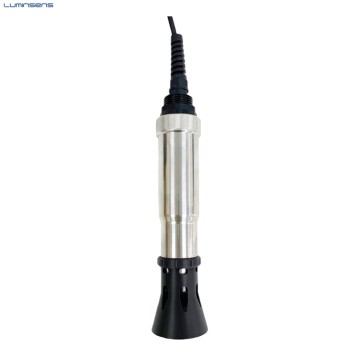
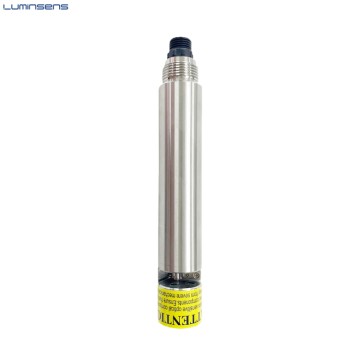
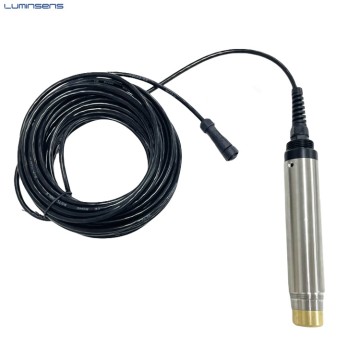
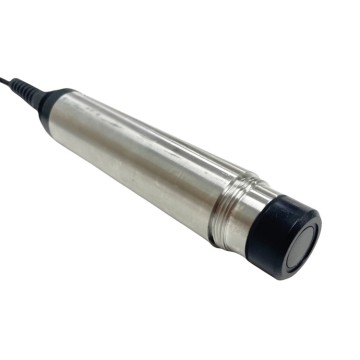
IP68 Titanium Alloy Marine Current Meter - Precision Ocean Current Monitoring from China Suppliers & Factory
Product Parameters
| Product Name | Marine Current Meter |
| Measurement method |
Principle: Thermistor temperature measurement Velocity of flow: Electromagnetic Induction Flow direction: Directional Current Meter |
| Range |
Temperature: -3℃ ~ 45℃ Velocity of flow: 0~500 cm/s Flow direction: 0~359.9° : 8~24 VDC(55 mA[12 V]) |
| Accuracy |
Temperature: ±0.05℃ Velocity of flow: ±1 cm/s or ±2% Measured Value Flow direction: ±2° |
| Resolution |
Temperature: 0.001℃ Velocity of flow: 0.1 cm/s Flow direction: 0.1° |
| Voltage | 8~24 VDC(55mA/ 12V) |
| Material | Titanium Alloy |
| Size | Φ50 mm*365 mm |
| Maximum Depth | 1500 m |
| IP Grade | IP68 |
| Weight | 1kg |
Product Features
① Electromagnetic Induction Technology
Measures current velocity by detecting electromotive force generated as seawater flows through a magnetic field, ensuring reliability in dynamic marine conditions.
② Integrated Electronic Compass
Provides precise azimuth, elevation, and roll angle data for comprehensive 3D current profiling.
③ Titanium Alloy Construction
Resists corrosion, abrasion, and high-pressure environments, guaranteeing durability for deep-sea applications.
④ High-Precision Sensors
Delivers ±1 cm/s velocity accuracy and 0.001°C temperature resolution for critical data collection.
⑤ Plug-and-Play Integration
Supports standard voltage inputs (8–24 VDC) and outputs real-time data for seamless integration with marine monitoring systems.
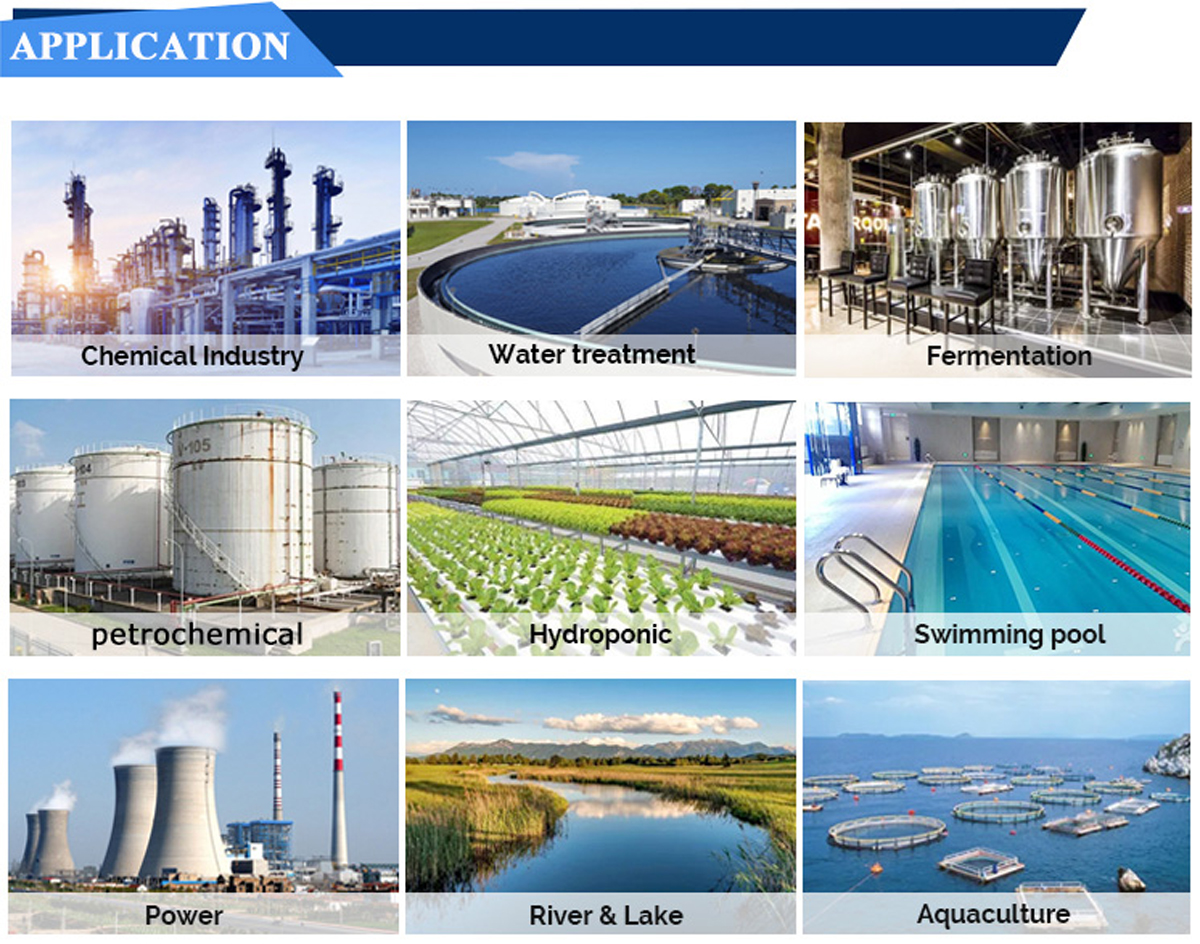
Application
1. Oceanographic Research
Monitor tidal currents, underwater turbulence, and thermal gradients for climate and ecosystem studies.
2. Offshore Energy Projects
Assess current dynamics for offshore wind farm installations, oil rig stability, and cable laying operations.
3. Environmental Monitoring
Track pollutant dispersion and sediment transport in coastal zones or deep-sea habitats.
4. Naval Engineering
Optimize submarine navigation and underwater vehicle performance with real-time hydrodynamic data.
5. Aquaculture Management
Analyze water flow patterns to enhance fish farm efficiency and mitigate environmental impacts.
6. Hydrographic Surveying
Enables precise mapping of underwater currents for navigation charting, dredging projects, and marine resource exploration.
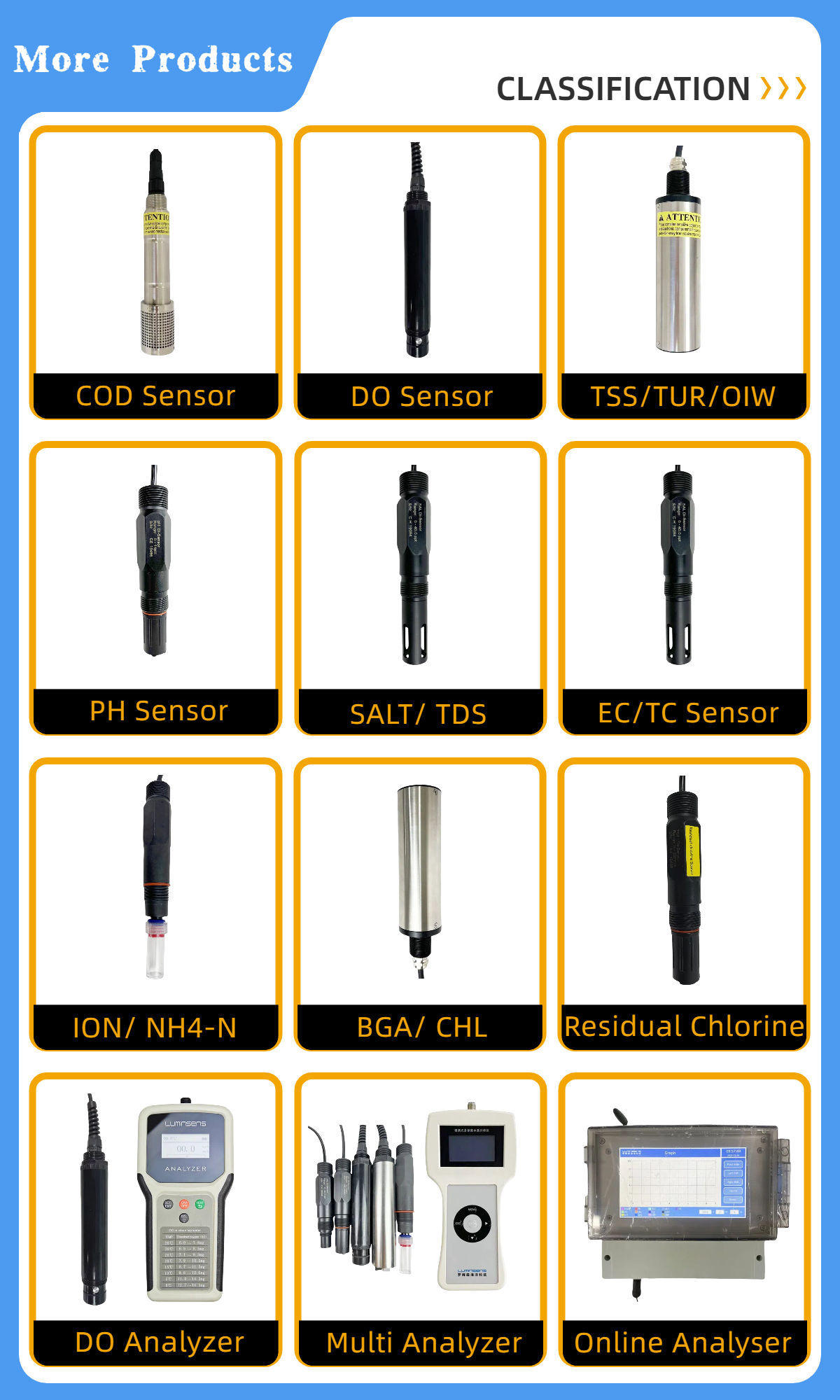
Digital RS485 water quality sensors technical data
| Parameter | Model | Range | Accuracy |
|---|---|---|---|
| DO sensor | LMS-DO10B | 0-20mg/L, 0-60℃ | ±0.1-0.3mg/L |
| DO sensor | LMS-DO10C | 0-20mg/L, 0-60℃ | ±0.3mg/L |
| Trace DO sensor | LMS-TDO100 | 0-2000ppb, 0-50℃ | ±1ppb |
| PH sensor | LMS-PH100 | 0-14pH | ±0.02pH |
| ORP sensor | LMS-ORP100 | ±1000.0 mV | ±0.2 mV |
| EC/TDS sensor | LMS-TDS102 | CT: 0-9999uS/cm; 0-100mS/cm; TDS: 0-10000ppm |
±2.5%FS |
| Salinity/EC/TDS sensor | LMS-SAL104 | Conductivity: 0.1-500 mS/cm TDS:0-60000ppm Salinity: 0-500.00ppt |
±1.5%FS |
| COD sensor | LMS-COD100 | COD:0.1-1500mg/L TOC:0.1-750mg/L BOD:0.1-900mg/L Turbidity: 0.1-4000NTU Temperature range: 0-50 ℃ |
±5% equiv.KHP Temperature: ± 0.5 ℃ |
| TSS sensor | LMS-TSS100 | 0-50000mg/L/ 0-120000mg/L | ±10%FS or 10 mg/L |
| Turbidity sensor | LMS-TUR10L | 0-100NTU | ±10%FS or 0.3 NTU |
| Turbidity sensor | LMS-TUR10H | 0-3000NTU | ±10%FS or 0.3 NTU |
| CO2 sensor | LMS-CO2100 | 2000PPM/10000PPM/50000PPM | ±5%FS |
| Ammonia Nitrogen sensor | LMS-NH4100 | 0-1000 mg/L | ±5%FS |
| Ion Selective sensor | LMS-ION100 | 0-1000 mg/L | ±5%FS |
| Oil in Water sensor | LMS-OIL100 | 0-50 mg/L ; 0-5 mg/L | ±3%FS |
| Chlorophyll sensor | LMS-CHL100 | 0-500ug/L | ±3%FS |
| Blue-Green Algae sensor | LMS-BGA100 | 0-2000,000 cells/ml | ±3%FS |
| Residual Chlorine sensor | LMS-HCLO100 | 0 - 20.00 ppm | ±5%FS |
| Marine Current sensor | LMS-Current100 | Temperature: -3℃ - 45℃ Velocity of flow: 0-500 cm/s Flow direction: 0-359.9° |
±0.05℃ ±1 cm/s or ±2% ±2° |
Frequently Asked Questions (FAQ)
Q
What is the maximum operating depth and protection grade of the Marine Current Meter?
The meter features an IP68 protection rating and is engineered with a Titanium Alloy body to reliably withstand deep-sea pressures up to a maximum depth of 1500 meters.
Q
How does the sensor measure water velocity and flow direction?
Flow velocity is measured via Electromagnetic Induction by detecting the electromotive force generated as seawater flows through a magnetic field. Flow direction (0–359.9°) is determined using a high-precision directional electronic compass.
Q
What are the measurement accuracy and resolution specifications?
The sensor delivers a velocity accuracy of ±1 cm/s (or ±2%) with 0.1 cm/s resolution, temperature accuracy of ±0.05℃ with 0.001℃ resolution, and flow direction accuracy of ±2° with 0.1° resolution.
Q
What power supply input is required for this equipment?
The equipment operates efficiently on standard DC voltage ranging from 8 to 24 VDC with a low power consumption of approximately 55 mA at 12 V.
Q
Can this system be integrated into existing offshore and environmental monitoring platforms?
Yes, designed for plug-and-play integration and digital RS485 communication, it delivers real-time data output compatible with various oceanographic, naval, energy, and aquaculture monitoring stations.
Q
Why is Titanium Alloy chosen for the housing material?
Titanium Alloy provides exceptional resistance against severe seawater corrosion, abrasive suspended particles, and extreme mechanical pressures in demanding marine environments.