





- Multi-parameter Water Analyzer
- Single-Parameter Water Aalyzer
- DO Sensor
- Trace DO Sensor
- CO₂ Sensor
- COD Sensor
- EC TDS Sensor
- Salinity EC TDS Sensor
- TSS Sensor
- Turbidity Sensor
- PH Sensor
- ORP
- Ion Selective Sensor
- Ammonia Nitrogen Sensor
- Oil in Water Sensor
- Blue-Green Algae Sensor
- Chlorophyll Sensor
- Residual Chlorine Sensor
- Marine Current Sensor
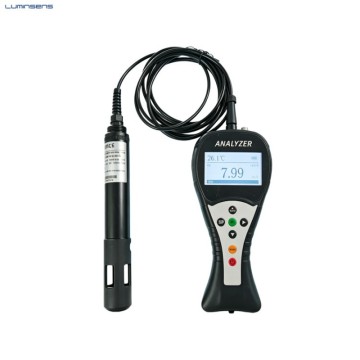
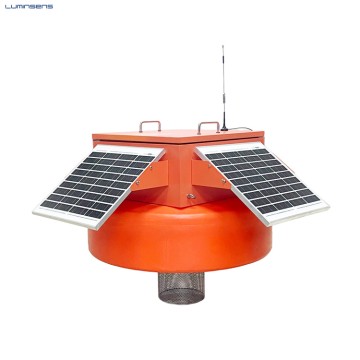
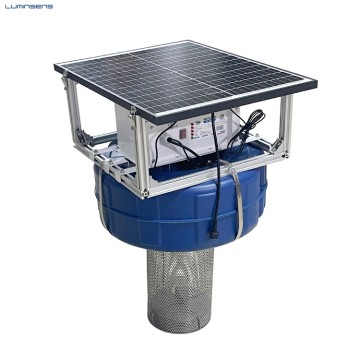


Multi-Parameter Water Quality Sensor for COD, BOD, TOC, Turbidity from China Suppliers and Factory
Product Parameters
| Product Name | COD Sensor | |
| Model | LMS-COD100H | LMS-COD100L |
| Range |
COD: 0.1~1500mg/L ; 0.1~500mg/L TOC: 0.1~750mg/L BOD: 0.1~900mg/L Turbidity: 0.1 ~ 4000 NTU Temperature range: 0 to 50℃ |
COD: 0.1~500mg/L TOC: 0.1~200mg/L BOD: 0.1~300mg/L Turbidity: 0.1 ~ 1000 NTU Temperature range: 0 to 50℃ |
| Measurement Method | Ultraviolet absorption method | |
| Accuracy | <5% equiv. KHP Temperature: ±0.5℃ |
|
| Power | 9-24VDC (Recommend 12 VDC) | |
| Material | 316L Stainless Steel | |
| Size | 32mm * 200mm | |
| IP Protection | IP68 | |
| Output | RS-485, MODBUS Protocol | |
| Certificate | CE, ISO9001 | |
Product Features
Equipped with LMS-COD100H and LMS-COD100L two models to meet different range monitoring needs, a single sensor can simultaneously measure COD, TOC, BOD, turbidity and temperature, reducing the number of equipment deployment and the complexity of the monitoring system.
The whole detection process does not need to add any chemical reagents, which not only eliminates the risk of secondary pollution to the water body, but also saves the long-term reagent purchase cost, and is more in line with the environmental protection requirements of ecological monitoring.


It has automatic turbidity interference compensation function, which can eliminate the measurement error caused by suspended particles in water; at the same time, it is not affected by chloride ions, ensuring that the detection data is accurate and stable, with the accuracy of COD and other parameters less than 5% equiv.KHP.
The integrated self-cleaning brush can automatically remove the biological attachments on the sensor surface, effectively extending the maintenance cycle, and the equipment has the characteristics of low failure rate, reducing the later operation and maintenance workload of users.


The sensor can output detection results within tens of seconds, realizing real-time monitoring of water quality; it supports RS-485 digital output and Modbus protocol, which can be quickly connected to various industrial control systems and IoT platforms, with simple operation and strong compatibility.


Application
For municipal sewage treatment plants and industrial wastewater discharge points, the dual-model sensor can be selected according to the pollution degree of water body. It can monitor COD, BOD and other key indicators in real time to ensure that the effluent meets the discharge standards, and the turbidity and temperature data can also assist in optimizing the treatment process and reducing energy consumption.
In rivers, lakes and reservoirs, the reagent-free design of the sensor avoids damaging the ecological environment of the water body, and the multi-parameter detection can comprehensively reflect the organic pollution and turbidity changes of the water body, providing a basis for water ecological restoration and protection.
In fish and shrimp breeding ponds, the sensor can monitor the content of organic matter (COD/BOD) and turbidity of the water body in real time. When the index exceeds the standard, it can give an early warning in time, helping farmers adjust the water quality in time and maintain the healthy growth environment of aquatic products.
In food processing, pharmaceutical production and other fields, the sensor can monitor the quality of process water to prevent organic pollution from affecting product quality, and its high stability and anti-interference performance can adapt to the complex water quality environment in the production workshop.

More Products
| Digital RS485 Water Quality Sensors Technical Data | ||||||
|---|---|---|---|---|---|---|
| No. | Picture | Product Name | Model | Range | Accuracy | Resolution |
| 1 |  |
DO sensor | LMS-DO10B | 0-20mg/L, 0-60℃ | ±0.1-0.3mg/L | 0.01mg/L |
| 2 |  |
DO sensor | LMS-DO10C | 0-20mg/L, 0-60℃ | ±0.3mg/L | 0.01mg/l |
| 3 |  |
Trace DO sensor | LMS-TDO100 | 0-2000ppb, 0-50℃ | ±1ppb | 1ppb |
| 4 |  |
PH sensor | LMS-PH100 | 0-14pH | ±0.02pH | 0.01pH |
| 5 | |
ORP sensor | LMS-ORP100 | ±1000.0 mV | ±0.2 mV | 0.1mV |
| 6 |  |
EC/TDS sensor | LMS-TDS102 | CT: 0-9999uS/cm; 0-100mS/cm; TDS: 0-10000ppm |
±2.5%FS | 1uS/cm, 0.01mS/cm, 1ppm |
| 7 |  |
Salinity/EC/TDS sensor | LMS-SAL104 | Conductivity: 0.1-500 mS/cm TDS: 0-60000ppm Salinity: 0-500.00ppt |
±1.5%FS | 1uS/cm, 0.01mS/cm, 1ppm, 0.01ppt |
| 8 |  |
COD sensor | LMS-COD100 | COD: 0.1-1500mg/L TOC: 0.1-750mg/L BOD: 0.1-900mg/L Turbidity: 0.1-4000NTU Temperature range: 0-50 ℃ |
±5% equiv.KHP Temperature: ± 0.5 ℃ |
0.01mg/L equiv.KHP |
| 9 |  |
TSS sensor | LMS-TSS100 | 0-50000mg/L / 0-120000mg/L | ±10%FS or 10 mg/L | 0.1mg/L or 1mg/L |
| 10 |  |
Turbidity sensor | LMS-TUR10L | 0-100NTU | ±10%FS or 0.3 NTU | 0.01NTU |
| 11 | |
Turbidity sensor | LMS-TUR10H | 0-3000NTU | ±10%FS or 0.3 NTU | 0.01NTU |
| 12 |  |
CO2 sensor | LMS-CO2100 | 2000PPM/10000PPM/50000PPM | ±5%FS | 1ppm |
| 13 |  |
Ammonia Nitrogen sensor | LMS-NH4100 | 0-1000 mg/L | ±5%FS | - |
| 14 | |
Ion Selective sensor | LMS-ION100 | 0-1000 mg/L | ±5%FS | - |
| 15 | |
Oil in Water sensor | LMS-OIL100 | 0-50 mg/L ; 0-5 mg/L | ±3%FS | 0.01ppm |
| 16 | |
Chlorophyll sensor | LMS-CHL100 | 0-500ug/L | ±3%FS | 0.1ug/L |
| 17 | |
Blue-Green Algae sensor | LMS-BGA100 | 0-2000,000 cells/ml | ±3%FS | - |
| 18 |  |
Residual Chlorine sensor | LMS-HCLO100 | 0 - 20.00 ppm | ±5%FS | 0.001 / 0.01ppm |
| 19 |  |
Marine Current sensor | LMS-Current100 | Temperature: -3℃ - 45℃ Velocity of flow: 0-500 cm/s Flow direction: 0-359.9° |
±0.05℃ ±1 cm/s or ±2% ±2° |
Temperature: 0.001℃ Velocity of flow: 0.1 cm/s Flow direction: 0.1° |
| Water Quality Analyzer Equipment | ||||||
|---|---|---|---|---|---|---|
| No. | Picture | Product Name | Model | Size | Power | Display Output |
| 20 |  |
Portable DO Analyzer | LMS-PA100 | 100mm*204mm | < 0.5 W Power supply 7.5V, 5 batteries | LCD display screen |
| 21 |  |
Multi-parameter Portable Water Analyzer | LMS-PA100P | 220mm*120mm*100mm | Rechargeable lithium battery with 220v to dc charging adapter | LCD display screen |
| 22 |  |
Multi-parameter Touch-screen Online Analyzer | LMS-OA200T | 180mmx230mmx100mm | AC power supply: 220 VAC | 7-inch touch screen |
Frequently Asked Questions
What parameters can the LMS-COD series sensor measure?
The LMS-COD sensor is a multi-parameter detection instrument. Depending on the model, a single sensor can simultaneously measure COD (Chemical Oxygen Demand), TOC (Total Organic Carbon), BOD (Biochemical Oxygen Demand), Turbidity, and Temperature.
What is the difference between LMS-COD100H and LMS-COD100L?
LMS-COD100H is designed for higher range applications (COD up to 1500mg/L, TOC up to 750mg/L, BOD up to 900mg/L, and Turbidity up to 4000 NTU). LMS-COD100L is optimized for lower range monitoring (COD up to 500mg/L, TOC up to 200mg/L, BOD up to 300mg/L, and Turbidity up to 1000 NTU).
Does this sensor require chemical reagents for testing?
No, the sensor utilizes the ultraviolet absorption method, which is completely reagent-free. This eliminates secondary pollution risks and significantly reduces long-term operational and chemical purchase costs.
How does the sensor handle turbidity and bio-fouling interference?
The sensor features automatic turbidity interference compensation to eliminate measurement errors from suspended particles. Additionally, it is equipped with an integrated self-cleaning brush that automatically removes biological attachments on the optical surface.
What communication protocol and output interface does the sensor support?
The sensor supports RS-485 digital output and communicates via the standard Modbus protocol, enabling seamless integration with PLCs, industrial control systems, and IoT telemetry platforms.