






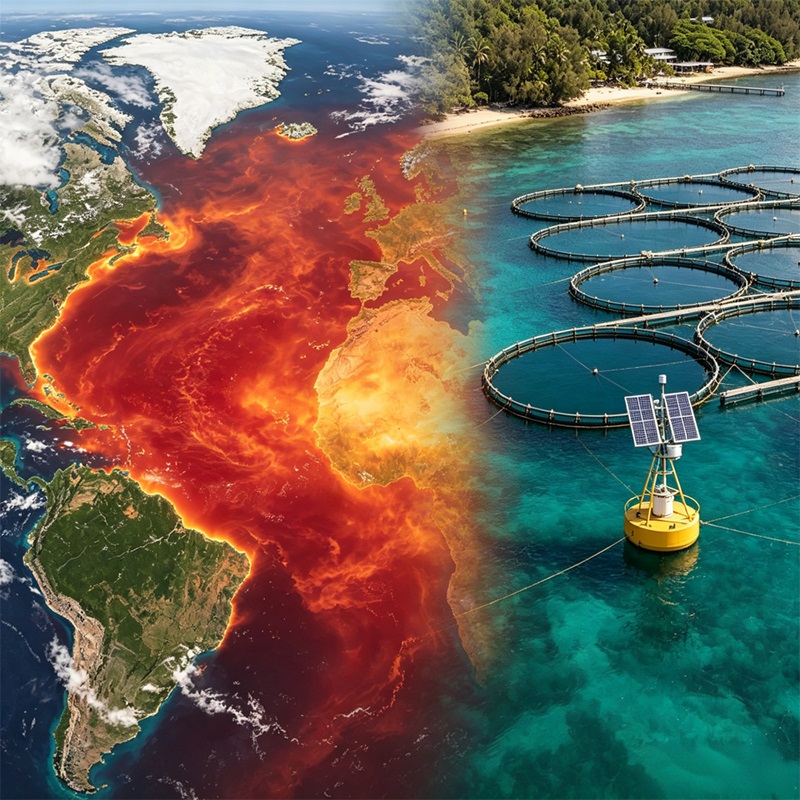


The "Breath" of Water Is Being Redefined — The Turning Point and Opportunity in Dissolved Oxygen Monitoring in 2026
Water is the carrier of life. And Dissolved Oxygen (DO) is perhaps the single most critical indicator of water health.

From ecological assessments of rivers and lakes, to aeration control in municipal wastewater treatment, to the survival rates of fish and shrimp in aquaculture, to quality control in industrial and pharmaceutical water systems — precise Do Monitoring determines the success or failure of water quality management.
I. Global Water Governance Is Accelerating in 2026
2026 is a landmark year for water quality regulation worldwide.
On May 11, 2026, the EU's new water protection rules officially took effect, bringing PFAS, microplastics, and various pharmaceuticals under stricter monitoring, and introducing a novel “effect-based monitoring” framework. The EU Water Reuse Regulation is now fully in force, establishing harmonized quality standards to make reclaimed urban wastewater a safe and reliable resource for agriculture.
The G7 and G20 Presidencies have jointly launched an “Innovation Day” in 2026 to showcase promising technologies and approaches that can contribute to improved water security.
In China, the 15th Five-Year Plan for Ecological Environment Monitoring was issued in May 2026, alongside new national standards such as the Water Quality and Water Ecology Monitoring Specification (SL/T 219—2026) — a clear signal that standardized, digitalized water quality monitoring is now a national priority.
The policy direction is unmistakable: higher frequency, greater precision, and smarter water quality monitoring are no longer optional — they are mandatory.
II. The Technology Revolution in DO Monitoring: From Electrochemical to Fluorescence
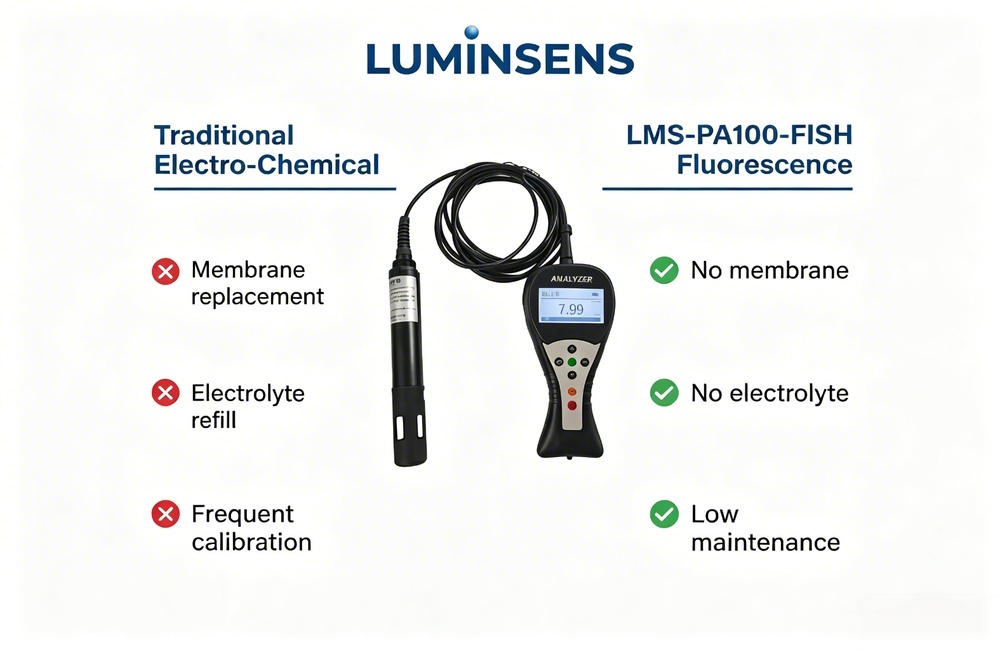
Traditional DO monitoring has long relied on electrochemical (polarographic or galvanic) sensors. These measure oxygen concentration through redox reactions at electrodes. The technology is mature, but the drawbacks are equally well-known:
- Regular replacement of electrolyte and permeable membranes
- Susceptibility to interference from sulfide, pH fluctuations, and other chemicals
- Oxygen consumption during measurement, which alters the true state of the water
- Slow response and long warm-up times
These pain points make traditional electrochemical sensors less than ideal for long-term continuous monitoring or field emergency applications.
Enter fluorescence-based (optical) Do Sensors — a technology that is fundamentally reshaping the landscape.
The core principle is “fluorescence quenching” : oxygen molecules interact with specific fluorescent substances, causing a measurable change in fluorescence intensity or lifetime. By detecting this change, the sensor precisely calculates the dissolved oxygen concentration.
Compared to traditional electrochemical methods, fluorescence technology delivers a quantum leap:
- No electrolyte or membrane replacement — drastically lower maintenance
- No oxygen consumption — measurement does not alter the sample
- Superior interference resistance — unaffected by sulfide, pH, heavy metals, etc.
- Faster response — stable readings within 90 seconds from dry to wet
- Excellent long-term stability — calibration intervals can extend to 8–12 months
Market data confirms this technological shift is irreversible: in 2025, optical fluorescence products accounted for 61% of new global installations, up from just 38% in 2020, and are projected to become the dominant technology by 2028. The global dissolved Oxygen Sensor market is expected to grow from $430 million in 2025 to over $762 million by 2035, at a CAGR of 5.9%.
III. Aquaculture: The Fastest-Growing Segment for DO Monitoring
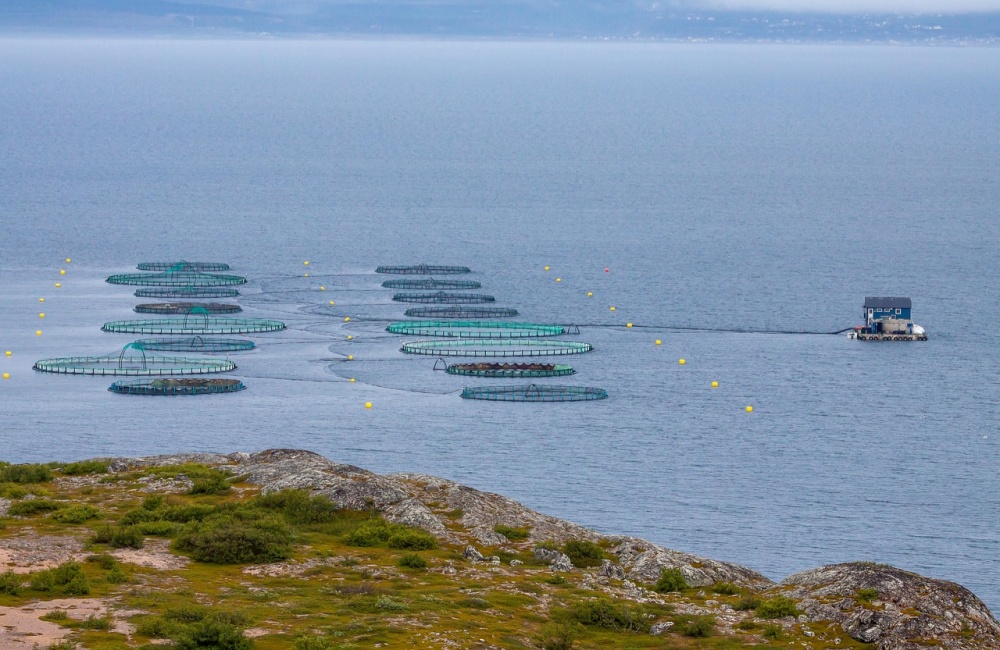
Among all application scenarios, aquaculture stands out as the fastest-growing segment for dissolved Oxygen Monitoring.
In 2025, demand from the aquaculture sector grew by 16.7%. The proliferation of recirculating aquaculture systems, the emergence of “data-driven aeration” smart models, and rising global seafood demand are all driving farmers to move from “guessing when to turn on aerators” to “precise management based on real-time data” .
Accurate DO monitoring directly impacts survival rates, feed conversion ratios, and ultimately, profitability. Portable devices, in particular, are seeing steady growth in aquaculture inspection and field emergency monitoring scenarios.
IV. LuminSens LMS-PA200: Built for the New Era of DO Monitoring
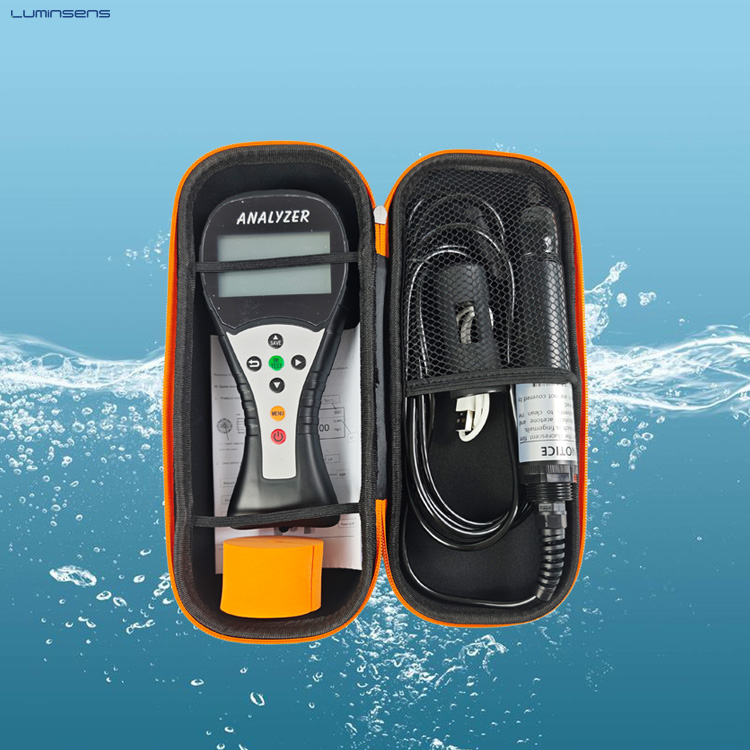
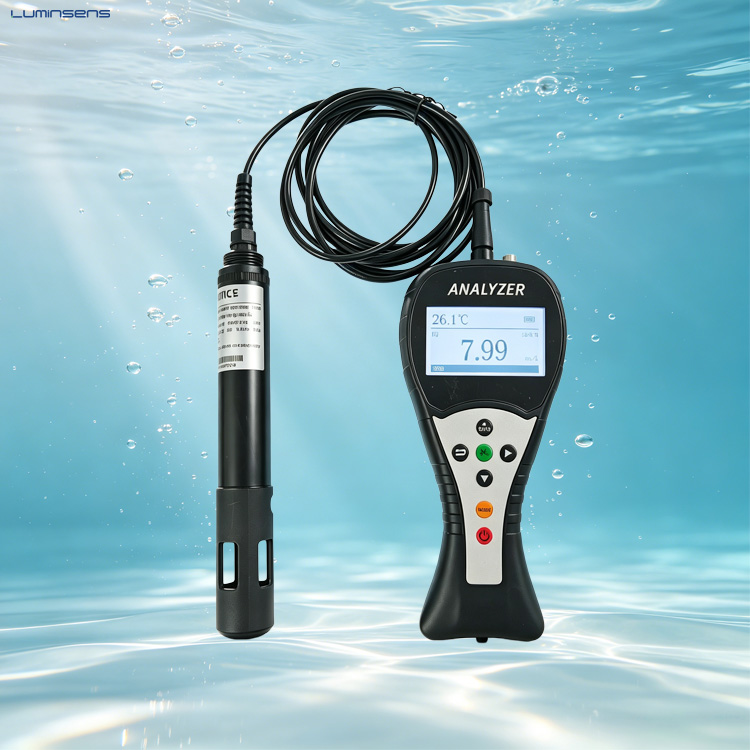
Against this backdrop — tighter regulations, technological transformation, and surging demand — LuminSens is proud to introduce the LMS-PA200 Portable Fluorescence Dissolved Oxygen Analyzer.
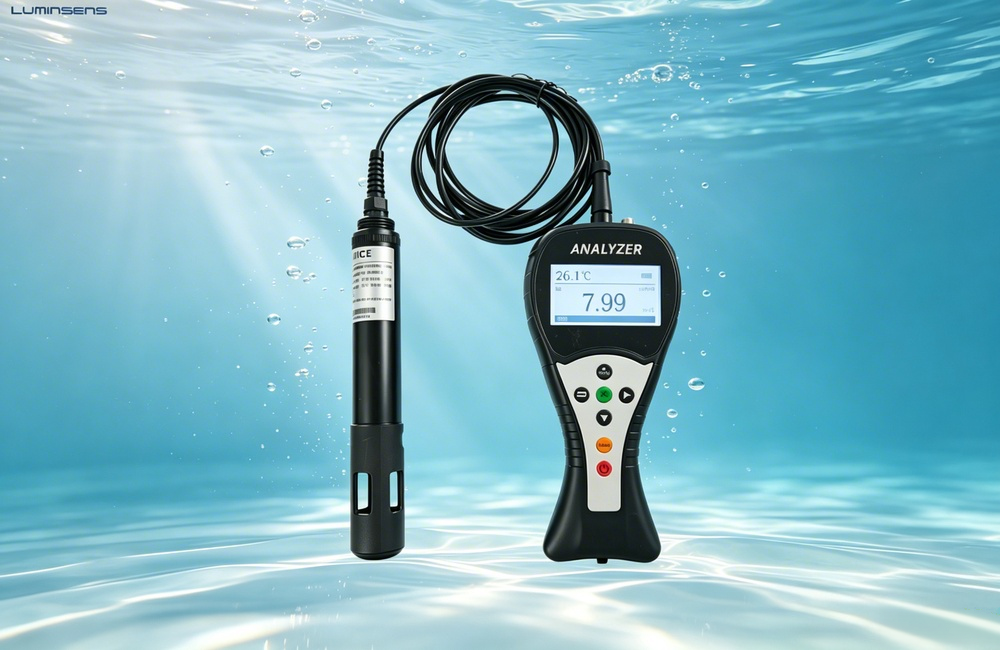
Designed to meet the higher standards of water quality monitoring in 2026 and beyond:
✅ Fluorescence Core Technology — Advanced fluorescence-based detection eliminates the need for electrolyte or membrane replacement, freeing you from the frequent maintenance headaches of traditional electrochemical sensors
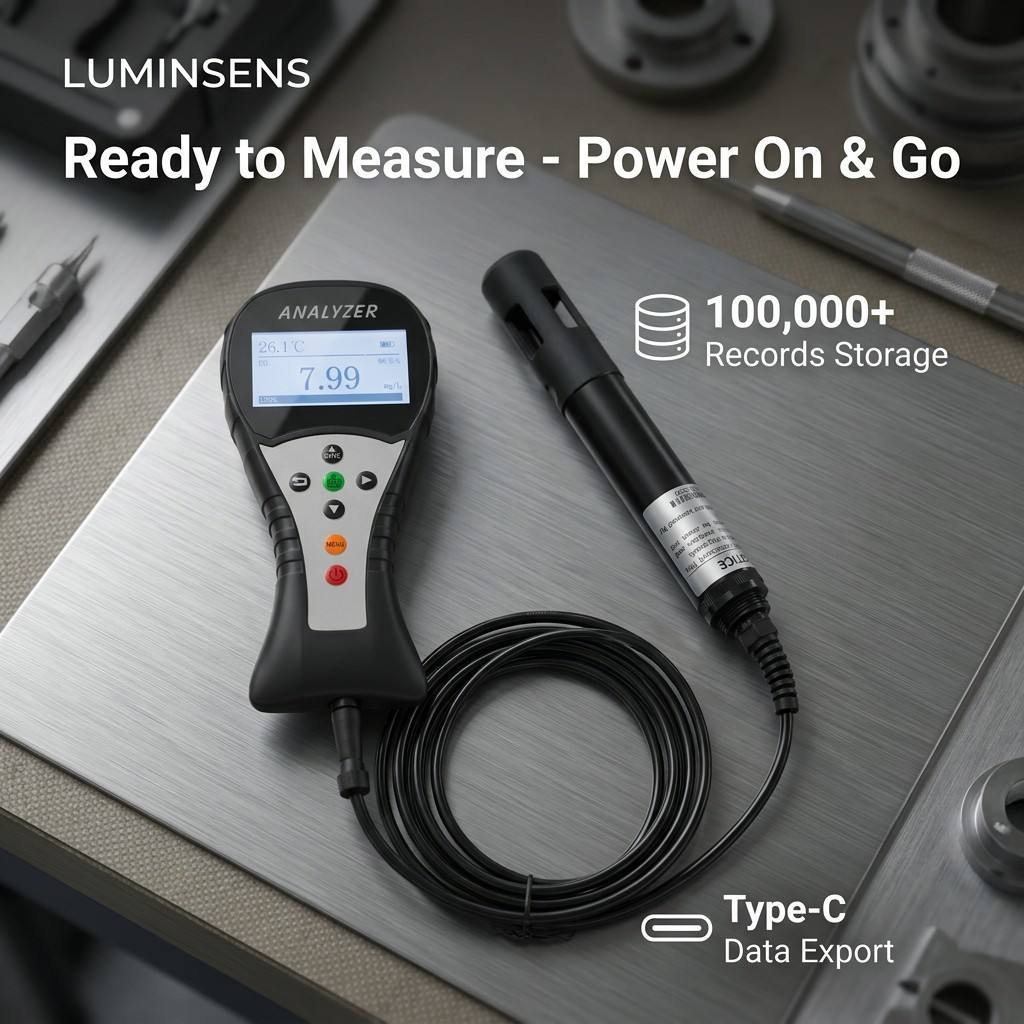
✅ Measure on Power-On — Built-in automatic DO compensation means you're ready to measure immediately — no lengthy warm-up required
✅ Simple Operation, One-Key Calibration — Physical buttons, clean interface, and on-device one-key calibration make field work effortless
✅ Built to Last, Ready for Any Environment — IP68 sensor rating, IP67 analyzer rating, 0–50°C operating temperature, and -40°C to 85°C storage temperature — from aquaculture ponds to remote rivers
✅ Massive Data Storage — Stores over 100,000 records, with Type-C export for easy data management
✅ RS-485 MODBUS Output — Digital signal output for seamless integration with monitoring systems and IoT platforms
✅ Extended Battery Life, Type-C Charging — Powered by a 3.7V lithium battery with convenient Type-C recharging — no worries during long field days
✅ 3-Meter Standard Cable, Extendable Upon Request — Flexible adaptation to different depths and applications
LMS-PA200 — making dissolved oxygen monitoring simple, accurate, and reliable.
📩 Contact us today for more information and pricing.
LuminSens — Illuminating the future of water quality monitoring.
Address: No.2 Huiying Street, China-SCO Demonstration Area, Qingdao, Shandong Province, China
Website: https://www.luminsens-sensor.com/
Core Business: R&D & global sales of fluorescence Do Sensors, multi-parameter aquaculture sensors, online monitoring controllers, solar water buoys, auto-clean modules, portable Water Analyzers; customized cloud aquaculture monitoring system, OEM & ODM one-stop service
Application Scenarios: Marine shrimp farming, freshwater fish ponds, RAS recirculating aquaculture, deep-sea farming vessels, lake & reservoir environmental monitoring, industrial wasteWater Detection
Email: luminsens@luminsens.com