





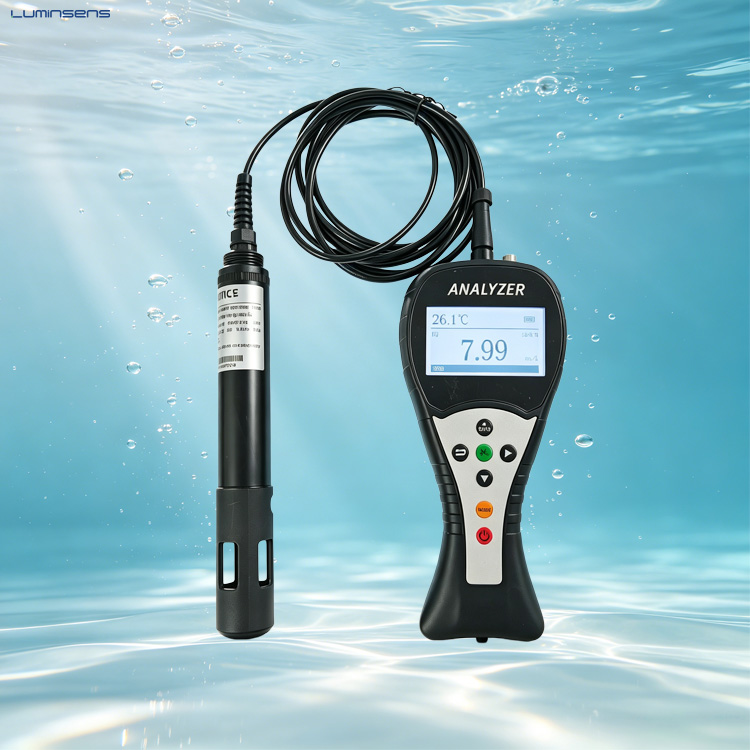
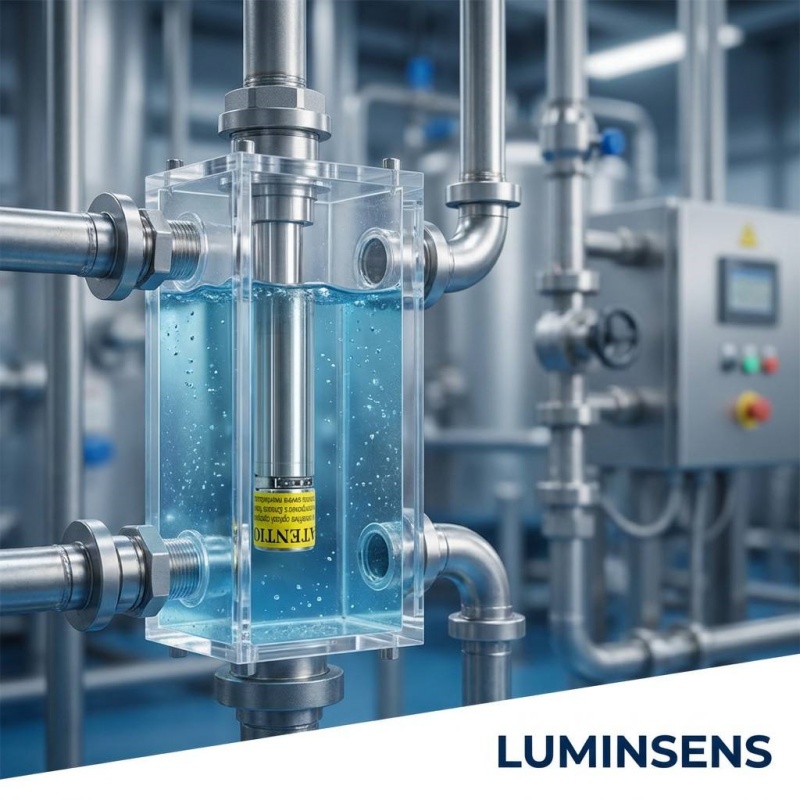
Why Application‑Driven Expertise Matters for Water‑Quality Monitoring Projects
Water quality monitoring is a cornerstone work across countless industrial and environmental sectors. It runs through commercial aquaculture, municipal wastewater treatment, industrial process control, lake‑reservoir ecological observation, coastal marine environmental assessment and laboratory scientific research. Every deployment site brings its own set of complex variables: fluctuating water temperature, variable salinity levels, high organic load, heavy sediment, algae reproduction, and different degrees of bio‑fouling. On top of physical water conditions, projects also differ in installation space limitations, on‑site maintenance manpower, local regulatory standards, data transmission requirements and long‑term operation budgets. All these real‑world factors will directly influence sensor performance, service life and the overall reliability of monitoring data.
Even with high‑performance hardware, many project operators, system integrators and end‑users frequently encounter frustrating pain points in real‑world projects. A very common mistake is selecting sensors purely based on technical datasheet parameters without fully evaluating field operating conditions. This blind model selection triggers a series of costly troubles. For aquaculture ponds with heavy biological attachments, standard dissolved‑Oxygen Sensors will suffer signal drift caused by biofouling without anti‑bacterial coating, leading to wrong DO readings that misguide feeding and aeration strategies and cause economic losses for farmers. In wastewater treatment plants, improperly selected probes may struggle with turbidity interference, resulting in unstable data output and failing to meet environmental reporting requirements. In remote field monitoring sites, customers may pick sensors that lack compatible wireless transmission functions, bringing extra integration workload.
Other frequent headaches include excessive maintenance frequency, unexpected short service life of sensors, frequent calibration requirements, poor anti‑interference performance under harsh water quality, and solutions that cannot match local project budgets. Many customers find that parameters which look perfect on paper cannot deliver stable performance in actual water bodies. What market participants truly need is far more than isolated sensor hardware. They demand scenario‑based technical judgement: correct product model matching, reasonable installation suggestion, scientific calibration cycle guidance, bio‑fouling prevention plans, suitable system integration schemes and predictable after‑sales support. Delivering this level of professional service cannot rely only on reading product brochures. It requires sales engineers to possess solid interdisciplinary knowledge, including sensing principle, product performance boundaries, accumulated field case experience, system configuration knowledge and common‑fault troubleshooting capabilities.
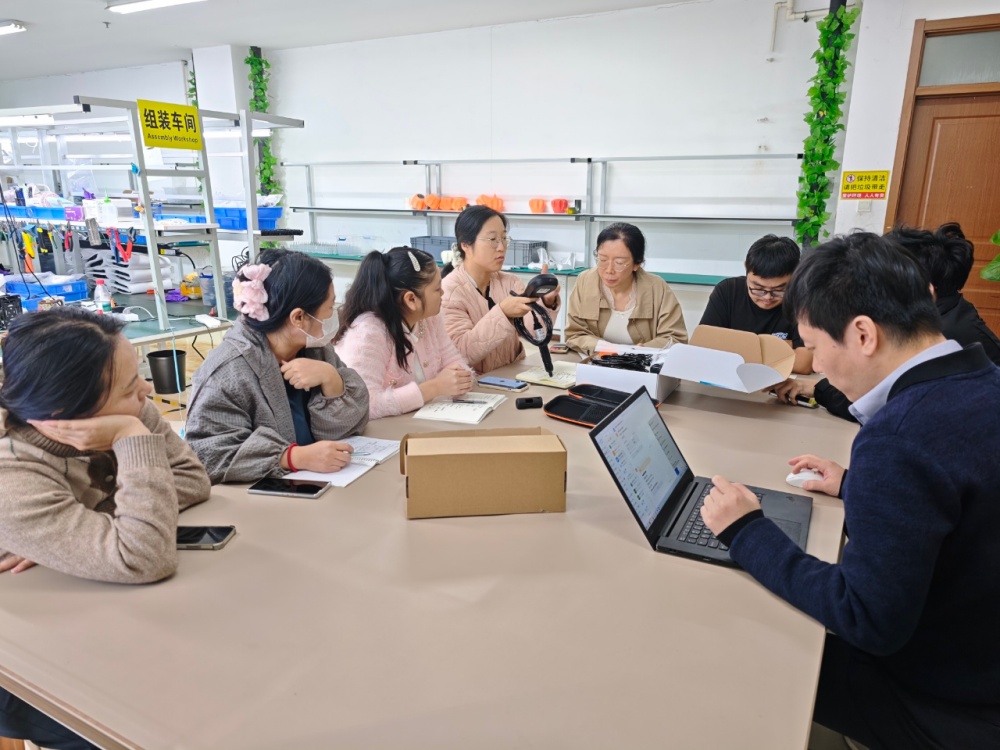
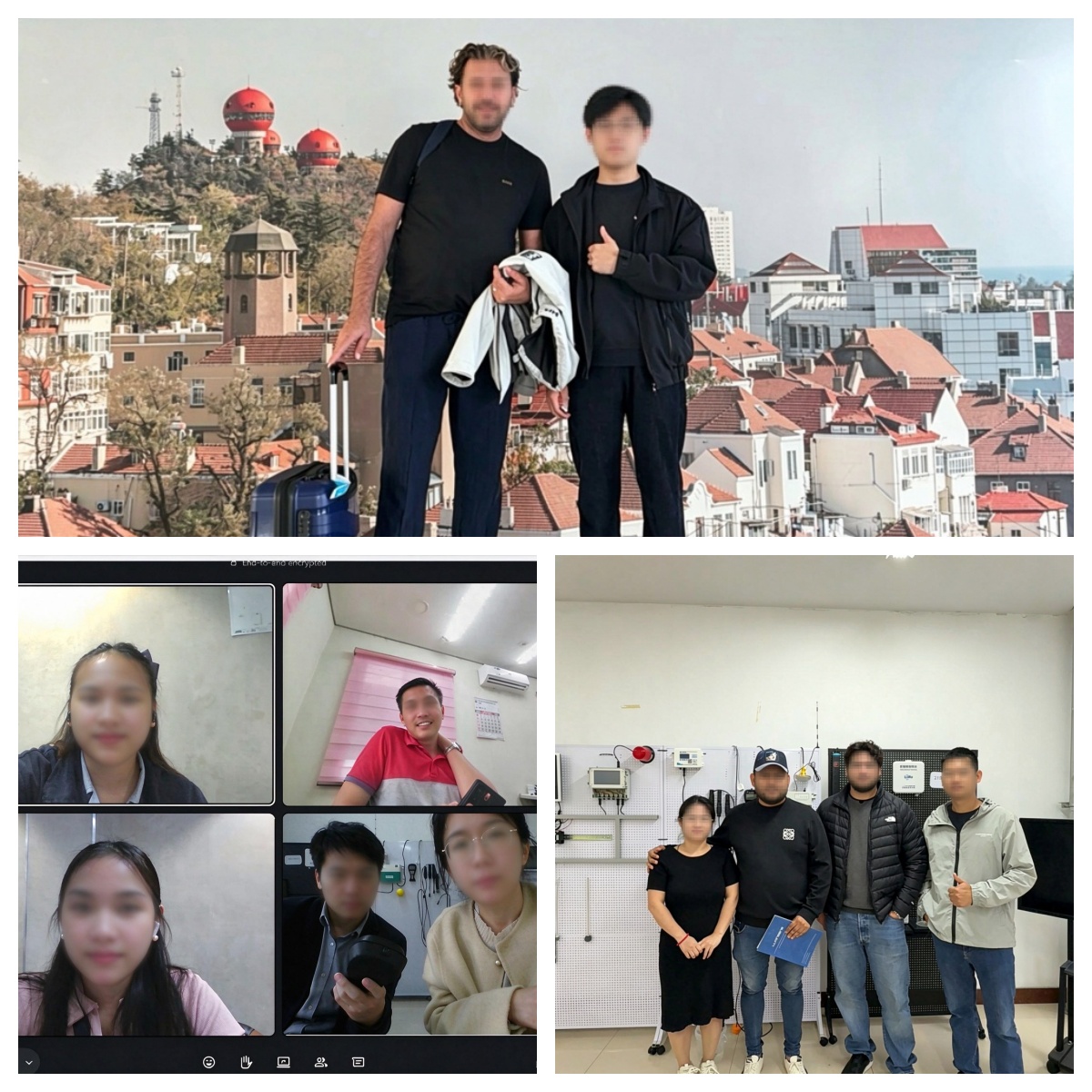
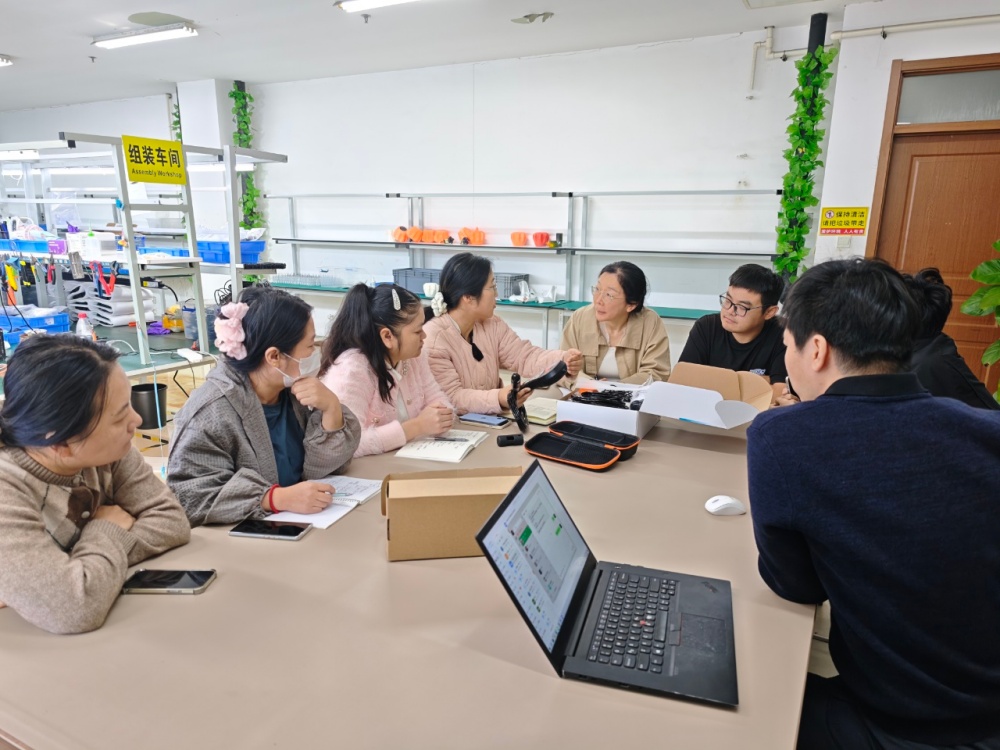
To eliminate the gap between laboratory‑tested product specifications and complex real‑world field deployments, LuminSens runs regular internal competency‑building activities for its global sales engineering team. Our sales engineers periodically attend cross‑department industry application knowledge exchange workshops and hands‑on product communication & training sessions held at our Qingdao manufacturing factory. During these factory‑hosted training events, the R&D team shares first‑hand field feedback collected from global projects, deep‑dive comparison of sensor performance under diverse water environments, technical limits for each product series, hands‑on probe disassembly demonstration, calibration operation drills, system integration practice and analysis of typical on‑site failure cases.
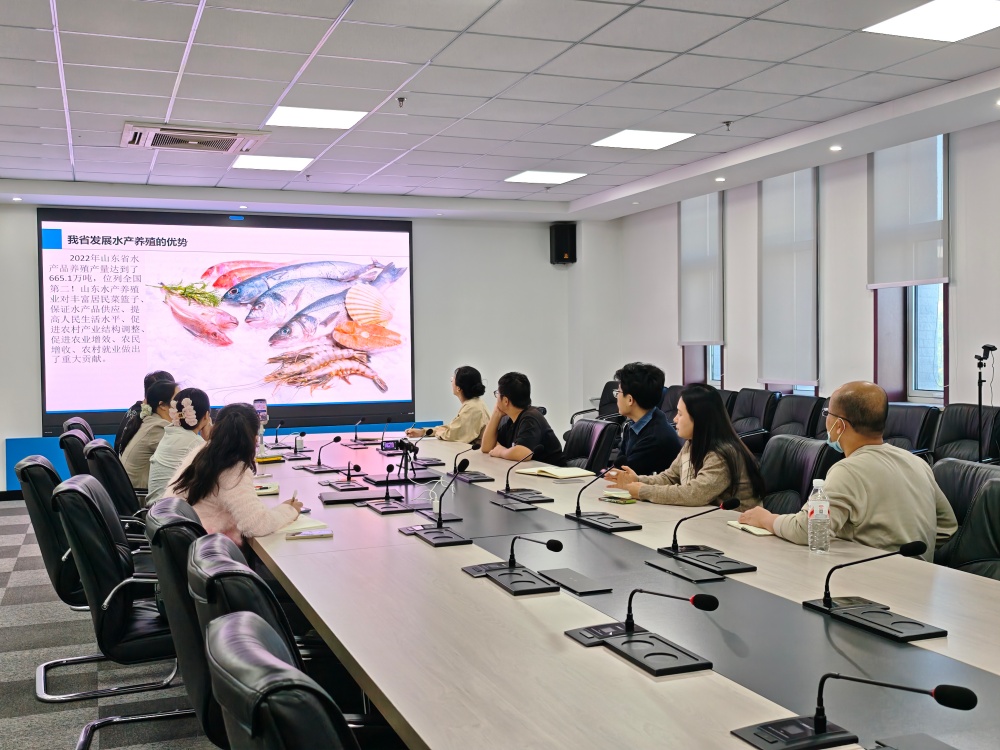
Beyond product hardware knowledge, the training also covers industry‑specific application scenarios: best practices for mariculture monitoring, key notes for municipal sewage online monitoring, special requirements for ultrapure water trace dissolved‑Oxygen Measurement, deployment tips for offshore buoy monitoring stations, and OEM customization workflow for integrator partners. Supported by our complete, standardized internal training system, sales engineers continuously update their technical knowledge and practical awareness. Instead of simply forwarding catalogues or pushing best‑selling items, our team learns to dig deep into each customer’s actual site conditions, project goals, manpower situation and budget constraints before offering targeted recommendations.
Equipped with systematic technical training and abundant accumulated case insights, LuminSens sales engineers stand ready to provide global partners with precise product selection advice, in‑depth professional technical consultation and fully‑customized end‑to‑end monitoring solutions.
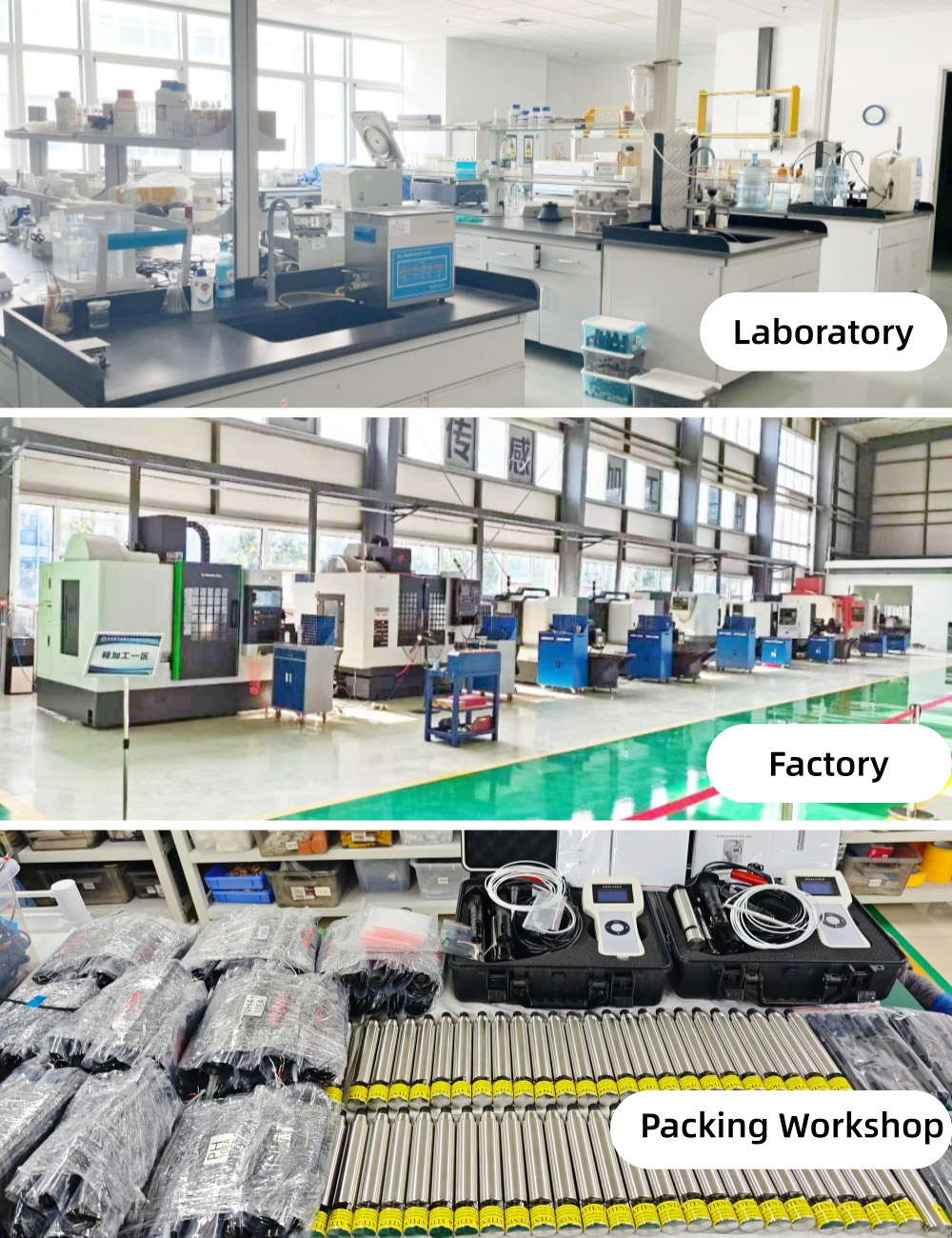
Founded in 2020 in Qingdao, LuminSens is a commercial spin‑off from the Institute of Oceanographic Instrumentation, Shandong Academy of Sciences, specializing in water quality monitoring. With a facility covering over 800 square meters, our elite R&D team comprises more than 10 PhDs. We have successfully participated in over 10 National Natural Science Foundation projects. Our innovation is strongly supported by 17 patents, 13 software copyrights, and a prestigious Science and Technology Progress Award for fluorescence sensors.
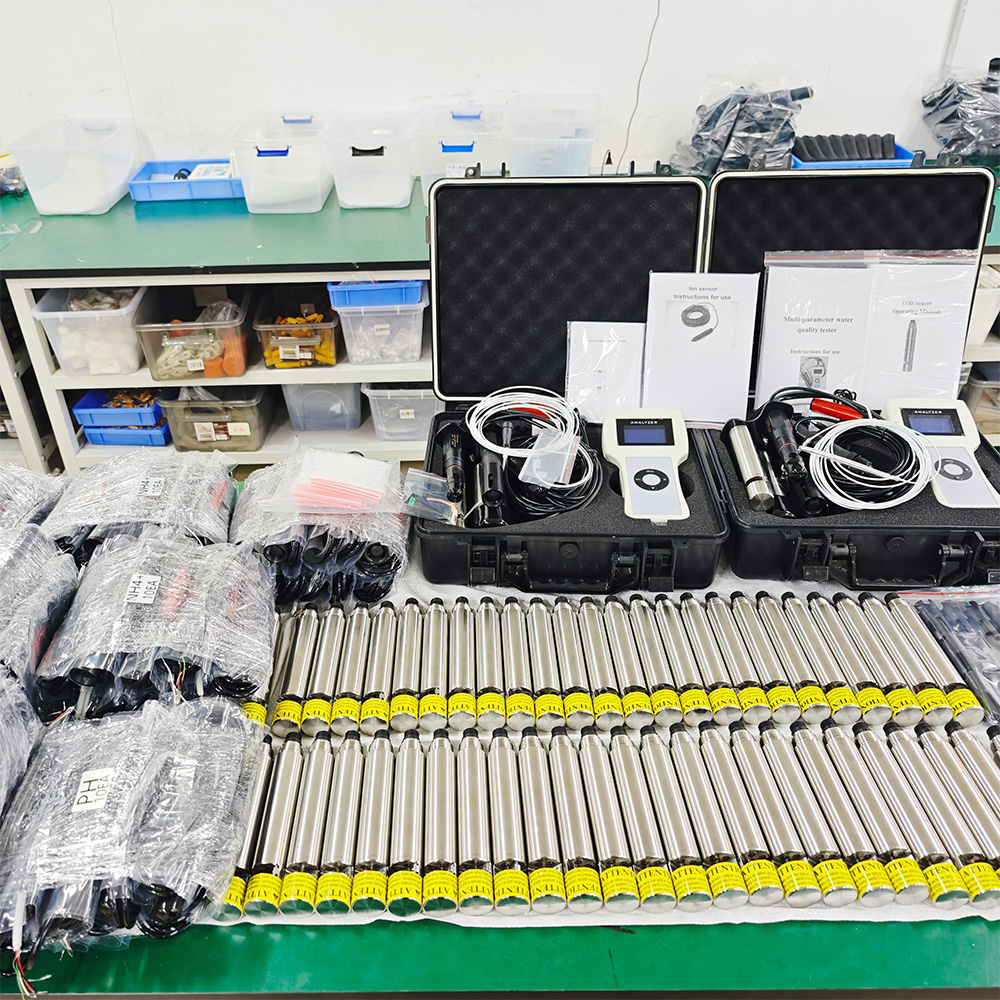
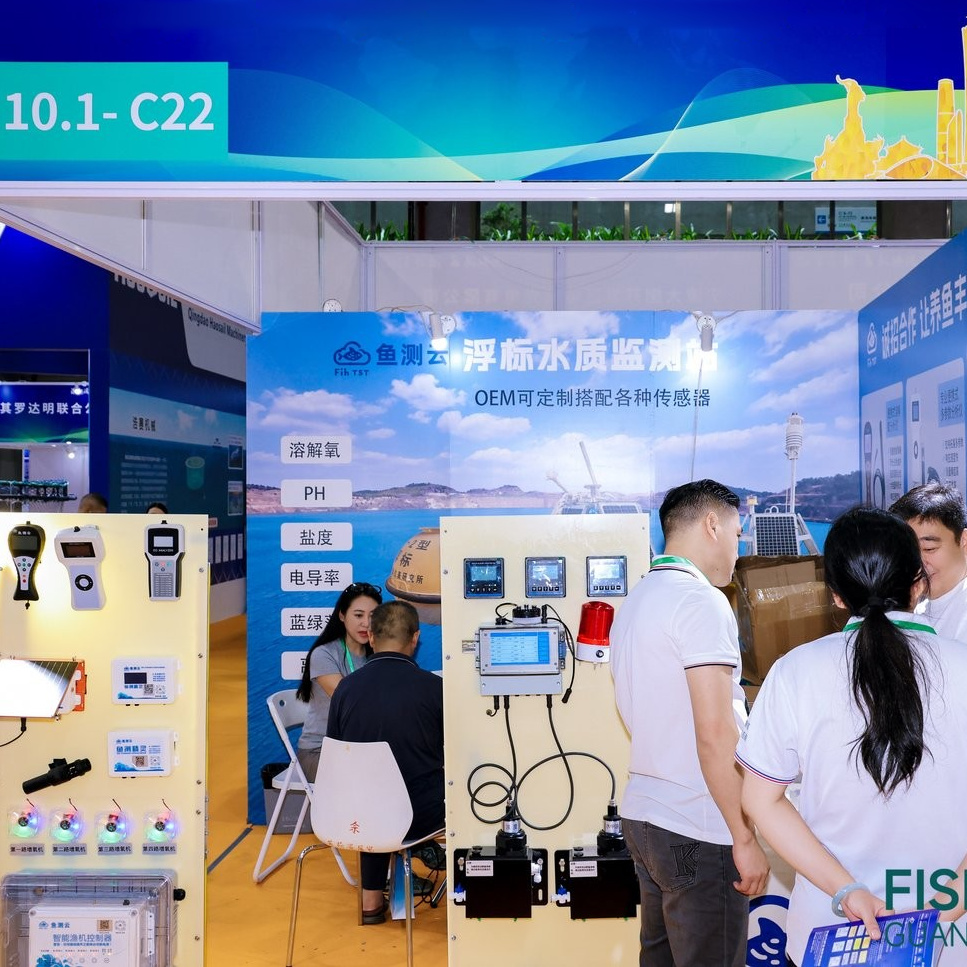
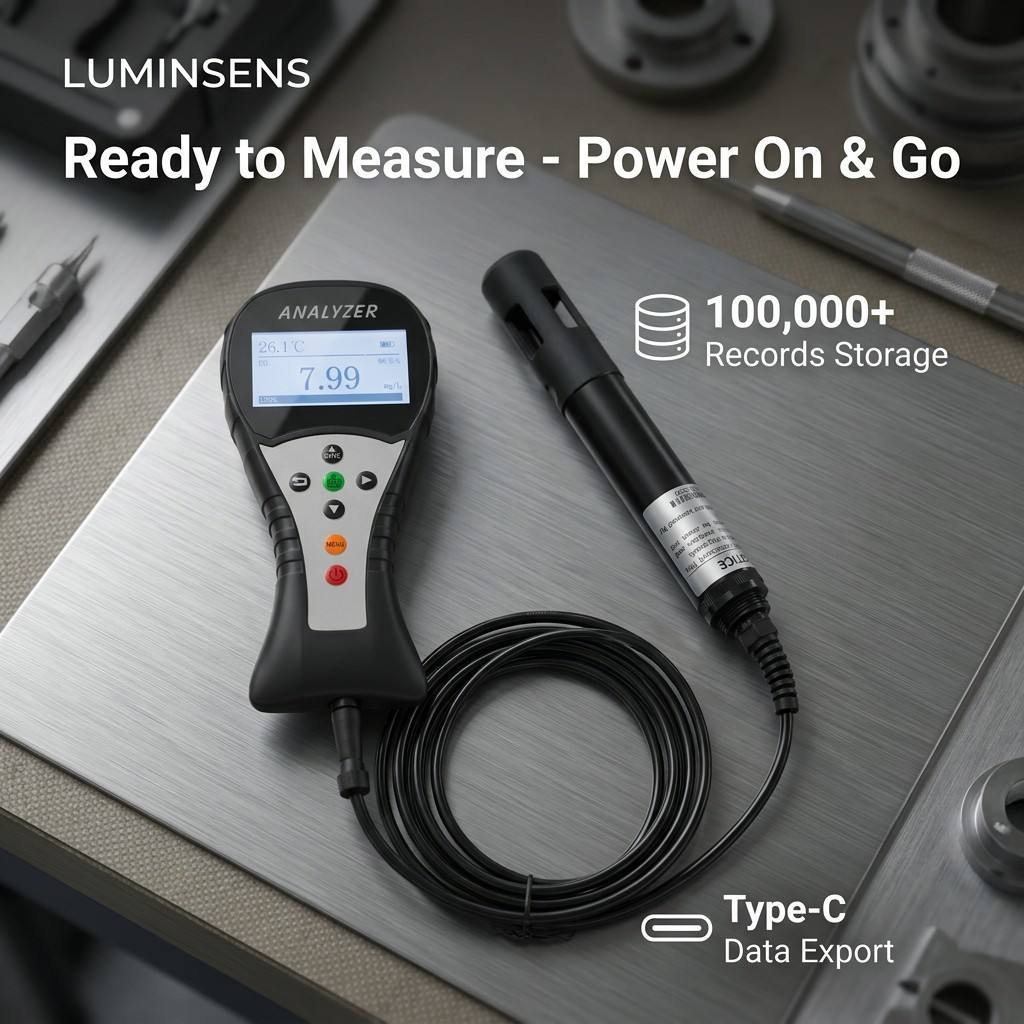
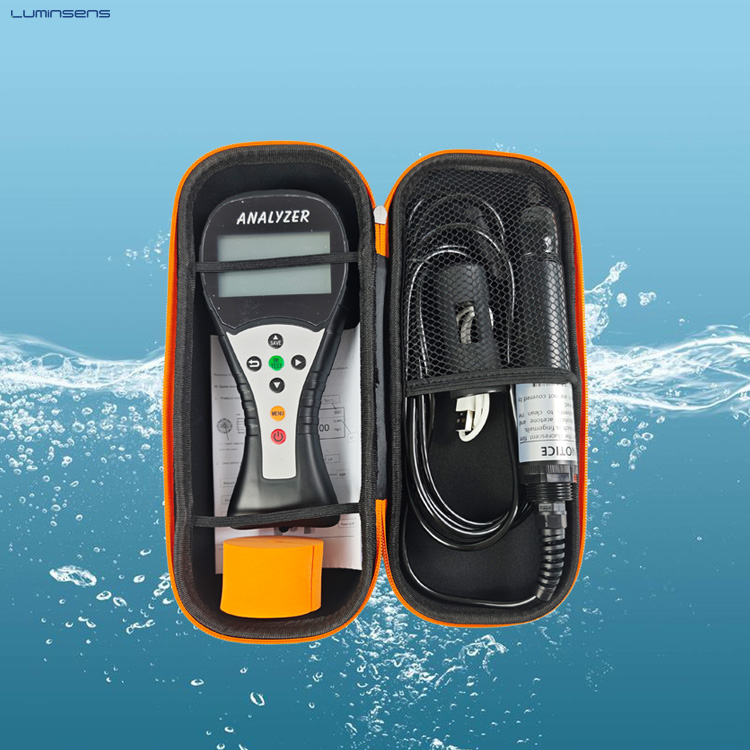
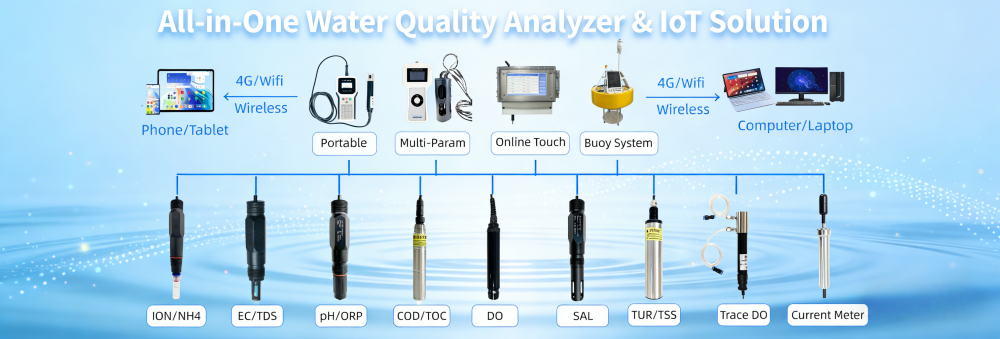
ISO9001 and CE certified, our comprehensive product portfolio covers fluorescence dissolved‑oxygen sensors (including standard B‑type, anti‑bacteria C‑type and trace DO sensors), pH & ORP electrodes, two‑electrode / four‑electrode conductivity‑salinity‑Tds Sensors, TSS, standard & low‑range turbidity probes, UV‑based COD sensors, oil‑in‑water sensors, chlorophyll sensors, blue‑green algae sensors, ammonia‑nitrogen ion selective sensors, residual chlorine and dissolved ozone sensors, dissolved CO₂ sensors, CTD sensors, electromagnetic current meters, automatic sensor self‑cleaning modules, portable multi‑parameter water quality analyzers, online multi‑parameter analyzers, as well as complete water quality monitoring buoy systems with 4G /Wifi cloud platform support. All our digital sensors adopt RS‑485 Modbus RTU communication protocol, supporting flexible OEM and ODM customization services for system integrators.
These advanced tools are widely applied in aquaculture, wastewater treatment, industrial process monitoring, environmental protection, marine observation and scientific research education. Our reliable solutions are exported globally to key markets in Europe, Southeast Asia, the Middle East, the Americas, Africa, and beyond. At LuminSens, we combine independent core R&D strength, standardized manufacturing and scenario‑oriented professional service, helping worldwide clients cut project trial‑and‑error costs and achieve long‑term stable water‑quality monitoring performance.
Call to action: Get in touch with our sales engineering team for your free project assessment today.
About LuminSens Marine Technology
Address: No.2 Huiying Street, China-SCO Demonstration Area, Qingdao, Shandong Province, China
Website: https://www.luminsens-sensor.com/
Core Business: R&D & global sales of fluorescence Do Sensors, multi-parameter aquaculture sensors, online monitoring controllers, solar water buoys, auto-clean modules, portable Water Analyzers; customized cloud aquaculture monitoring system, OEM & ODM one-stop service
Application Scenarios: Marine shrimp farming, freshwater fish ponds, RAS recirculating aquaculture, deep-sea farming vessels, lake & reservoir environmental monitoring, industrial wasteWater Detection
Email: luminsens@luminsens.com