





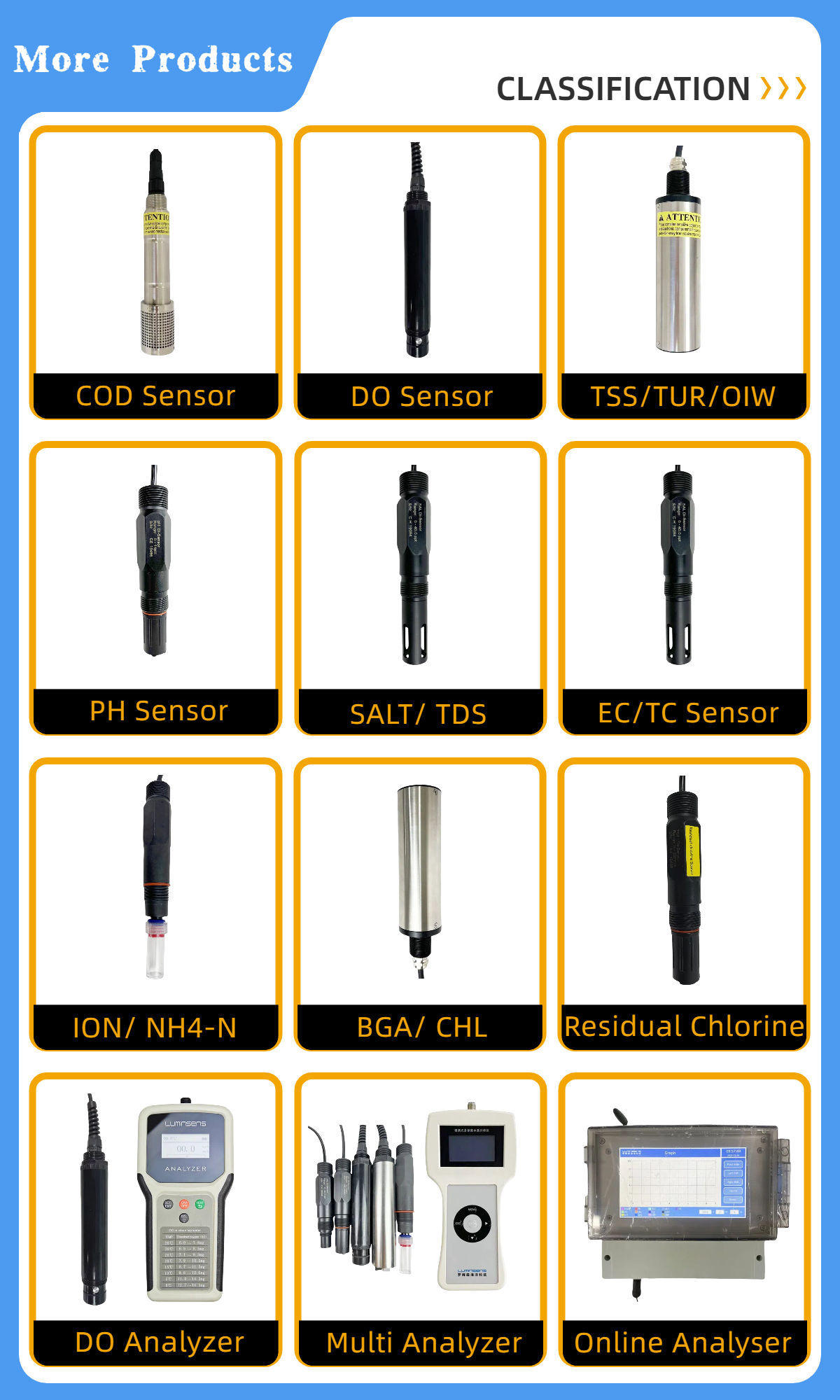
- Multi-parameter Water Analyzer
- Single-Parameter Water Aalyzer
- DO Sensor
- Trace DO Sensor
- CO₂ Sensor
- COD Sensor
- EC TDS Sensor
- Salinity EC TDS Sensor
- TSS Sensor
- Turbidity Sensor
- PH Sensor
- ORP
- Ion Selective Sensor
- Ammonia Nitrogen Sensor
- Oil in Water Sensor
- Blue-Green Algae Sensor
- Chlorophyll Sensor
- Residual Chlorine Sensor
- Marine Current Sensor
0102030405


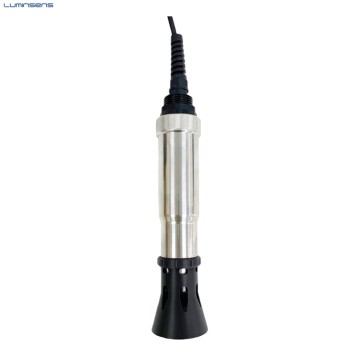
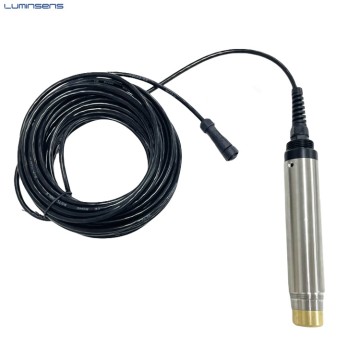
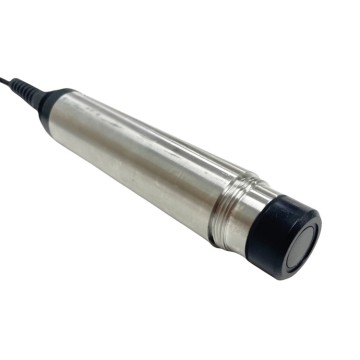
RS485 135° Backlight TSS Sensor for Water Quality Monitoring - Reliable China Suppliers & Factory
Product Parameters
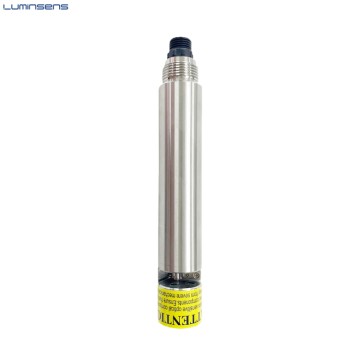
| Product Name | Total Suspended Solid Sensor (TSS Sensor) |
| Measurement method | 135° backlight |
| Range | 0-50000mg/L;0-120000mg/L |
| Accuracy | Less than ±10% of measured value (depending on sludge homogeneity) or 10mg/L, whichever is greater |
| Power | 9-24VDC(Recommend 12 VDC) |
| Size | 50mm*200mm |
| Material | 316L Stainless Steel |
| Output | RS-485, MODBUS protocol |
Product Features
① ISO7027-Compliant Optical Design
Utilizing a 135° backlight scattering method, the sensor adheres to the ISO7027 standard for turbidity and TSS measurement. This ensures global compatibility and reliable data accuracy across applications.
② Anti-Interference & Sunlight Resistance
Advanced fiber-optic light path design, specialized polishing techniques, and software algorithms minimize signal drift. The sensor operates accurately even under direct sunlight, ideal for outdoor or open-air installations.
③ Automatic Self-Cleaning Mechanism
Equipped with a motorized brush, the sensor automatically removes fouling, bubbles, and debris from the optical surface, ensuring long-term stability and low maintenance.
④ Compact & Durable Construction
The 316L stainless steel body resists corrosion in aggressive environments, while its compact size (50mm × 200mm) simplifies integration into pipelines, tanks, or portable monitoring systems.
⑤ Temperature & Chromaticity Compensation
Built-in temperature compensation and immunity to chromaticity variations guarantee consistent readings in fluctuating water conditions.
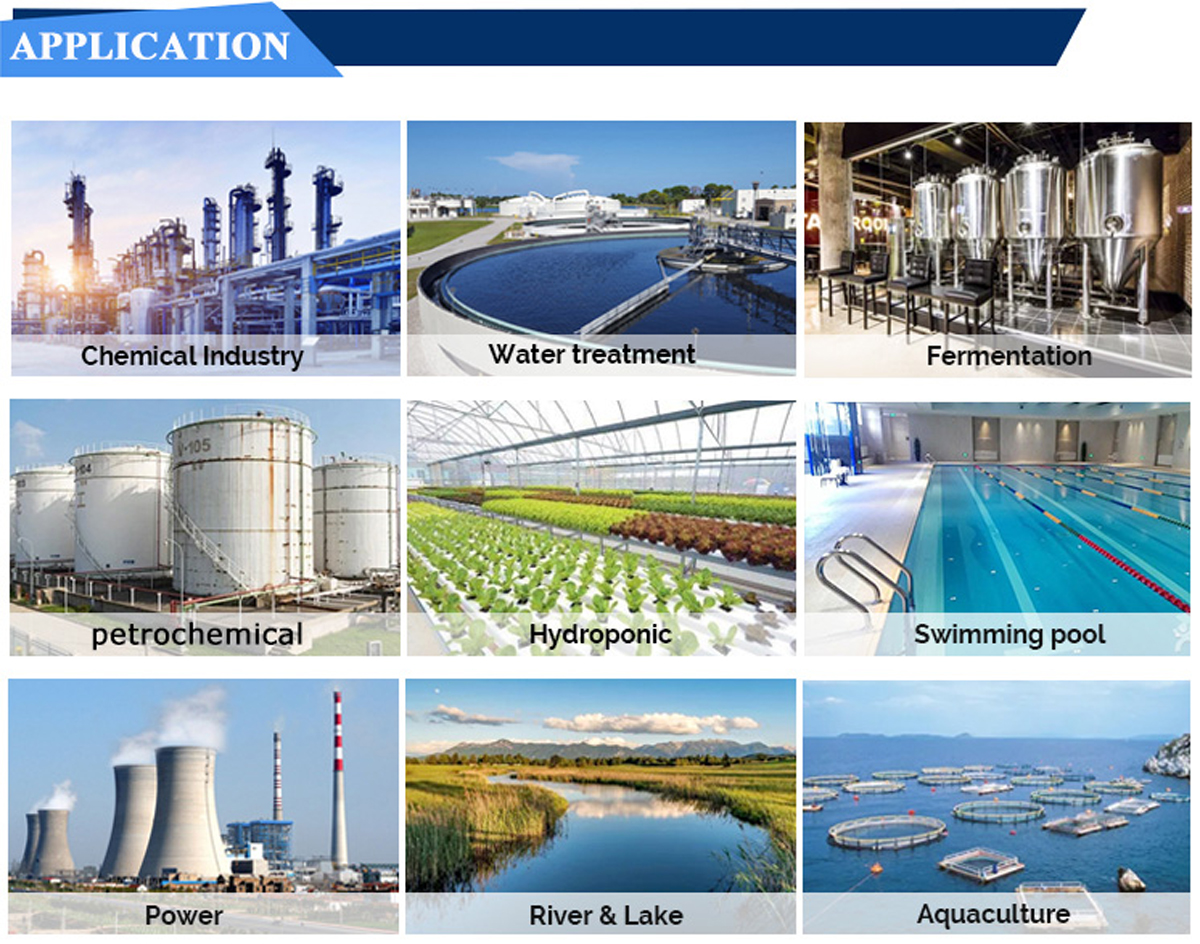
Application
1. Industrial Wastewater Treatment
Monitor TSS levels in real time to optimize sludge dewatering, discharge compliance, and process efficiency.
2. Environmental Water Monitoring
Deploy in rivers, lakes, or coastal areas to assess sediment load, erosion, or pollution events.
3. Drinking Water Systems
Ensure water clarity and safety by detecting suspended particles in treatment plants or distribution networks.
4. Aquaculture & Fisheries
Maintain optimal water quality by tracking suspended solids that affect aquatic health and equipment performance.
5. Research & Laboratories
Support high-precision studies on sediment transport, water clarity, or environmental impact assessments.
6. Mining & Construction
Monitor runoff water for regulatory compliance and mitigate environmental risks from suspended particulates.
Digital RS485 water quality sensors technical data
| Parameter | Model | Range | Accuracy |
|---|---|---|---|
| DO sensor | LMS-DO10B | 0-20mg/L, 0-60℃ | ±0.1-0.3mg/L |
| DO sensor | LMS-DO10C | 0-20mg/L, 0-60℃ | ±0.3mg/L |
| Trace DO sensor | LMS-TDO100 | 0-2000ppb, 0-50℃ | ±1ppb |
| PH sensor | LMS-PH100 | 0-14pH | ±0.02pH |
| ORP sensor | LMS-ORP100 | ±1000.0 mV | ±0.2 mV |
| EC/TDS sensor | LMS-TDS102 | CT: 0-9999uS/cm; 0-100mS/cm; TDS: 0-10000ppm |
±2.5%FS |
| Salinity/EC/TDS sensor | LMS-SAL104 | Conductivity: 0.1-500 mS/cm TDS:0-60000ppm Salinity: 0-500.00ppt |
±1.5%FS |
| COD sensor | LMS-COD100 | COD:0.1-1500mg/L TOC:0.1-750mg/L BOD:0.1-900mg/L Turbidity: 0.1-4000NTU Temperature range: 0-50 ℃ |
±5% equiv.KHP Temperature: ± 0.5 ℃ |
| TSS sensor | LMS-TSS100 | 0-50000mg/L/ 0-120000mg/L | ±10%FS or 10 mg/L |
| Turbidity sensor | LMS-TUR10L | 0-100NTU | ±10%FS or 0.3 NTU |
| Turbidity sensor | LMS-TUR10H | 0-3000NTU | ±10%FS or 0.3 NTU |
| CO2 sensor | LMS-CO2100 | 2000PPM/10000PPM/50000PPM | ±5%FS |
| Ammonia Nitrogen sensor | LMS-NH4100 | 0-1000 mg/L | ±5%FS |
| Ion Selective sensor | LMS-ION100 | 0-1000 mg/L | ±5%FS |
| Oil in Water sensor | LMS-OIL100 | 0-50 mg/L ; 0-5 mg/L | ±3%FS |
| Chlorophyll sensor | LMS-CHL100 | 0-500ug/L | ±3%FS |
| Blue-Green Algae sensor | LMS-BGA100 | 0-2000,000 cells/ml | ±3%FS |
| Residual Chlorine sensor | LMS-HCLO100 | 0 - 20.00 ppm | ±5%FS |
| Marine Current sensor | LMS-Current100 | Temperature: -3℃ - 45℃ Velocity of flow: 0-500 cm/s Flow direction: 0-359.9° |
±0.05℃ ±1 cm/s or ±2% ±2° |
Frequently Asked Questions (FAQ)
What measurement method does the TSS sensor use?
The TSS sensor utilizes a 135° backlight scattering method compliant with the ISO7027 optical standard to deliver precise and reliable turbidity and suspended solids measurements.
What is the measuring range and accuracy of the LMS-TSS100 sensor?
The sensor offers options for measuring ranges of 0-50000mg/L or 0-120000mg/L, with an accuracy of less than ±10% of the measured value (depending on sludge homogeneity) or 10mg/L, whichever is greater.
How does the sensor maintain accuracy in outdoor environments?
It features an advanced fiber-optic light path, specialized polishing techniques, and software algorithms that prevent sunlight interference and minimize signal drift, allowing stable operation under direct sunlight.
Does the TSS sensor require frequent manual cleaning?
No. The sensor is equipped with an integrated motorized self-cleaning brush that automatically removes biofouling, air bubbles, and debris from the optical window, reducing maintenance needs.
What are the communication and output protocols?
The sensor outputs digital signals using the standard RS-485 interface and MODBUS protocol, making it easy to integrate with PLCs, RTUs, and environmental monitoring networks.
What construction materials are used for the sensor body?
The sensor body is constructed from high-grade 316L Stainless Steel, ensuring excellent corrosion resistance in harsh wastewater and industrial processing environments.