





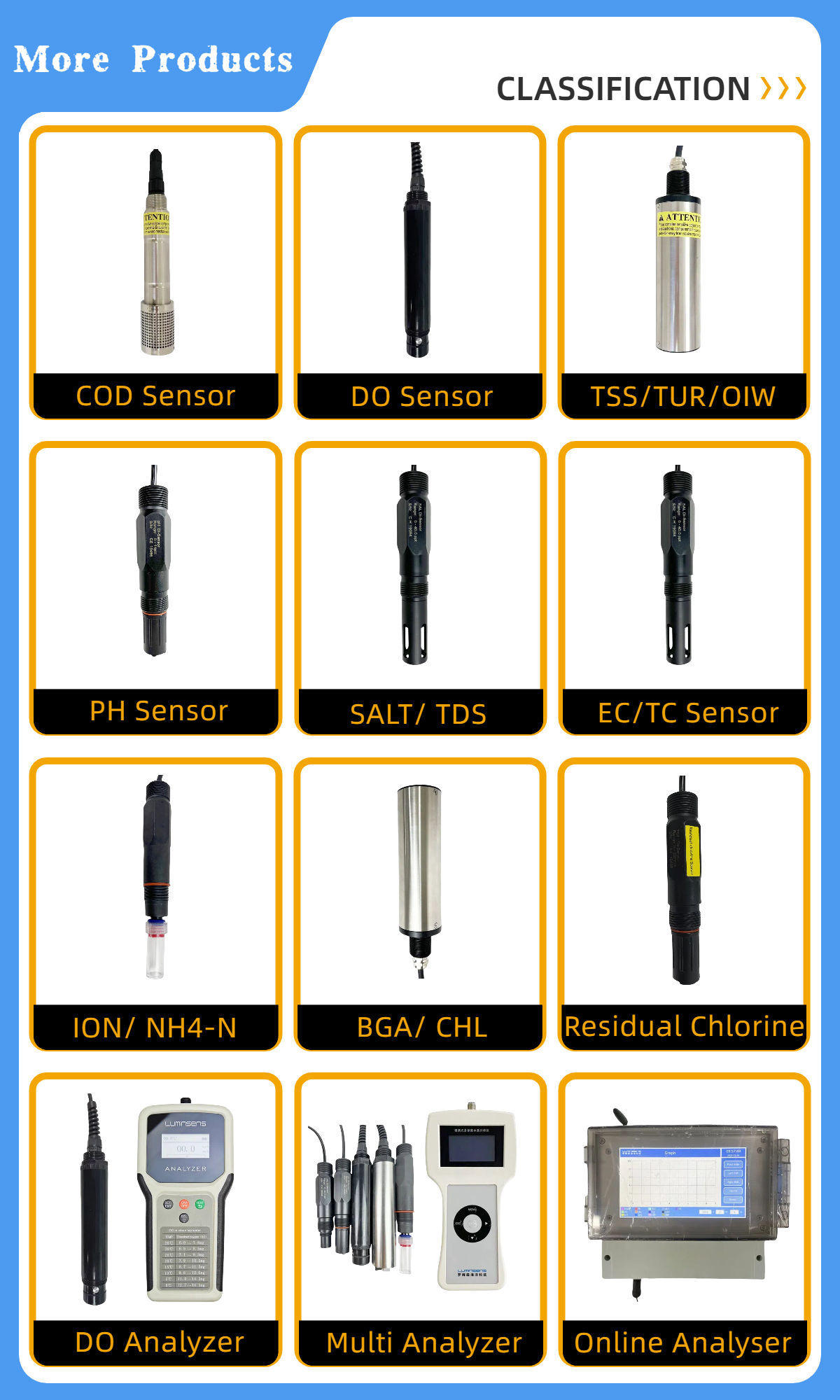
- Multi-parameter Water Analyzer
- Single-Parameter Water Aalyzer
- DO Sensor
- Trace DO Sensor
- CO₂ Sensor
- COD Sensor
- EC TDS Sensor
- Salinity EC TDS Sensor
- TSS Sensor
- Turbidity Sensor
- PH Sensor
- ORP
- Ion Selective Sensor
- Ammonia Nitrogen Sensor
- Oil in Water Sensor
- Blue-Green Algae Sensor
- Chlorophyll Sensor
- Residual Chlorine Sensor
- Marine Current Sensor
0102030405


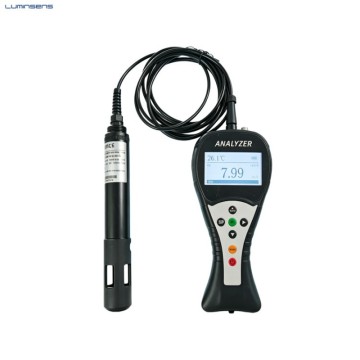
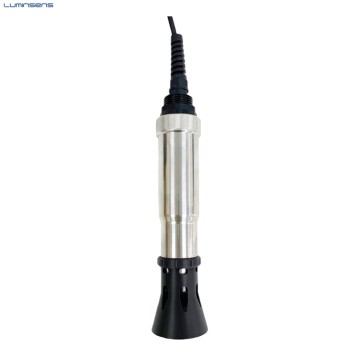
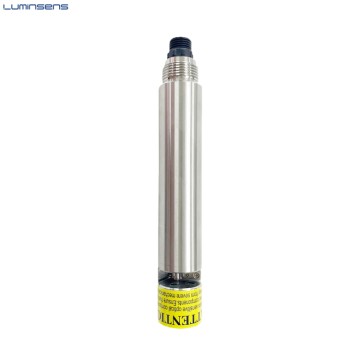
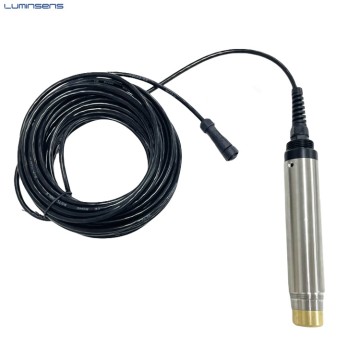
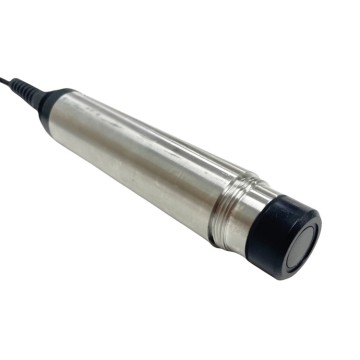
UV Fluorescent BGA Meter for Blue-Green Algae Detection - China Suppliers & Factory for Aquatic Monitoring
Product Parameters
| Product Name | Blue-Green Algae sensor |
| Measurement method | Fluorescent |
| Range | 0-2000,000 cells/ml Temperature: 0-50℃ |
| Accuracy | ±3%F.S. Temperature: ±0.5℃ |
| Power | 9-24VDC(Recommend 12 VDC) |
| Size | 48mm*125mm |
| Material | 316L Stainless Steel |
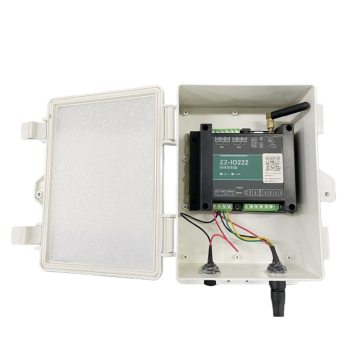
| Output | RS-485, MODBUS protocol |
Product Features
1Single UV Light Source Technology
The sensor employs a specialized UV light source to excite chlorophyll fluorescence in algae, effectively filtering out interference from suspended particles and chromaticity. This ensures highly accurate and stable measurements even in complex water matrices.
2Reagent-Free & Pollution-Free Design
No chemical reagents are required, eliminating secondary pollution and reducing operational costs. This eco-friendly design aligns with sustainable water management practices.
324/7 Online Monitoring
Capable of uninterrupted, real-time operation, the sensor provides continuous data for early detection of algal blooms, compliance reporting, and ecosystem protection.
4Automatic Turbidity Compensation
Advanced algorithms dynamically adjust measurements to account for turbidity fluctuations, ensuring reliable performance in sediment-rich or variable-quality water.
5Integrated Self-Cleaning System
A built-in wiper mechanism prevents biofilm accumulation and sensor fouling, minimizing manual maintenance and ensuring long-term reliability in harsh aquatic environments.
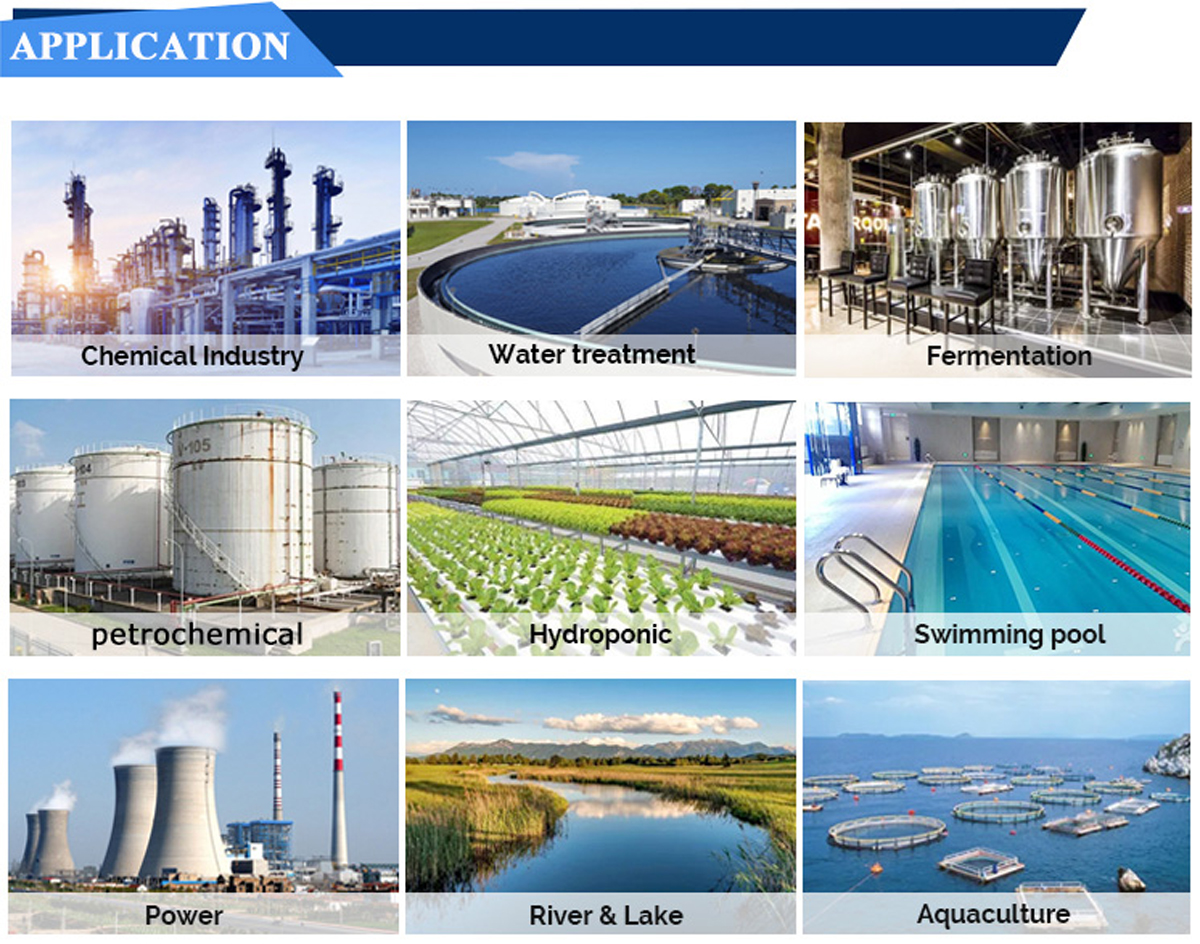
Application
1Environmental Water Quality Protection
Monitor lakes, rivers, and reservoirs to detect harmful algal blooms (HABs) in real time, enabling timely interventions to protect aquatic ecosystems and public health.
2Drinking Water Safety
Deploy in water treatment plants or raw water intake points to track algal concentrations and prevent toxin contamination in potable water supplies.
3Aquaculture Management
Ensure optimal water conditions for fish and shellfish farming by monitoring algae levels, preventing oxygen depletion and fish kills caused by excessive blooms.
4Coastal and Marine Monitoring
Track algal dynamics in coastal zones, estuaries, and marinas to mitigate ecological risks and comply with marine environmental regulations.
5Research and Climate Studies
Support scientific research on algal growth patterns, eutrophication trends, and climate change impacts with high-resolution, long-term data collection.
Digital RS485 water quality sensors technical data
| Parameter | Model | Range | Accuracy |
|---|---|---|---|
| DO sensor | LMS-DO10B | 0-20mg/L, 0-60℃ | ±0.1-0.3mg/L |
| DO sensor | LMS-DO10C | 0-20mg/L, 0-60℃ | ±0.3mg/L |
| Trace DO sensor | LMS-TDO100 | 0-2000ppb, 0-50℃ | ±1ppb |
| PH sensor | LMS-PH100 | 0-14pH | ±0.02pH |
| ORP sensor | LMS-ORP100 | ±1000.0 mV | ±0.2 mV |
| EC/TDS sensor | LMS-TDS102 | CT: 0-9999uS/cm; 0-100mS/cm; TDS: 0-10000ppm |
±2.5%FS |
| Salinity/EC/TDS sensor | LMS-SAL104 | Conductivity: 0.1-500 mS/cm TDS:0-60000ppm Salinity: 0-500.00ppt |
±1.5%FS |
| COD sensor | LMS-COD100 | COD:0.1-1500mg/L TOC:0.1-750mg/L BOD:0.1-900mg/L Turbidity: 0.1-4000NTU Temperature range: 0-50 ℃ |
±5% equiv.KHP Temperature: ± 0.5 ℃ |
| TSS sensor | LMS-TSS100 | 0-50000mg/L/ 0-120000mg/L | ±10%FS or 10 mg/L |
| Turbidity sensor | LMS-TUR10L | 0-100NTU | ±10%FS or 0.3 NTU |
| Turbidity sensor | LMS-TUR10H | 0-3000NTU | ±10%FS or 0.3 NTU |
| CO2 sensor | LMS-CO2100 | 2000PPM/10000PPM/50000PPM | ±5%FS |
| Ammonia Nitrogen sensor | LMS-NH4100 | 0-1000 mg/L | ±5%FS |
| Ion Selective sensor | LMS-ION100 | 0-1000 mg/L | ±5%FS |
| Oil in Water sensor | LMS-OIL100 | 0-50 mg/L ; 0-5 mg/L | ±3%FS |
| Chlorophyll sensor | LMS-CHL100 | 0-500ug/L | ±3%FS |
| Blue-Green Algae sensor | LMS-BGA100 | 0-2000,000 cells/ml | ±3%FS |
| Residual Chlorine sensor | LMS-HCLO100 | 0 - 20.00 ppm | ±5%FS |
| Marine Current sensor | LMS-Current100 | Temperature: -3℃ - 45℃ Velocity of flow: 0-500 cm/s Flow direction: 0-359.9° |
±0.05℃ ±1 cm/s or ±2% ±2° |
Frequently Asked Questions (FAQ)
What measurement method does the Blue-Green Algae sensor use?
The sensor utilizes the fluorescent measurement method. It features a specialized UV light source that excites chlorophyll fluorescence in algae to provide highly accurate and stable measurements.
Does this sensor require chemical reagents for operation?
No, the Blue-Green Algae sensor features a reagent-free and pollution-free design. This eliminates the risk of secondary pollution and significantly reduces ongoing operational costs.
How does the sensor maintain accuracy in turbid water?
The sensor is integrated with advanced algorithms for automatic turbidity compensation, which dynamically adjust measurements to ensure reliability in variable-quality or sediment-rich water.
What is the communication output and protocol of the sensor?
The sensor supports RS-485 communication using the standard MODBUS protocol, making it easy to integrate with various environmental monitoring systems and data loggers.
How is biofouling prevented on the sensor?
It features an integrated self-cleaning system with a built-in wiper mechanism. This prevents biofilm accumulation and sensor fouling, minimizing manual maintenance in harsh aquatic environments.