Explore our top-tier optical and digital sensors designed for continuous dissolved gas, biological matter, and chemical dynamics monitoring in modern aquaculture environments.
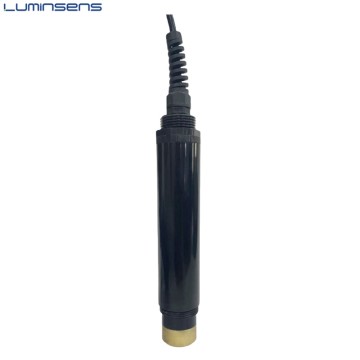
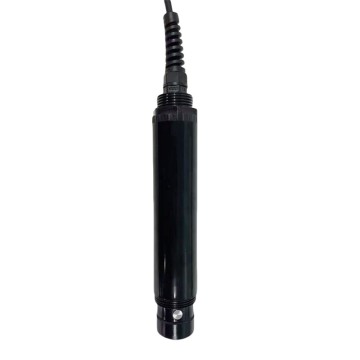
High-stability fluorescent quenching sensor probe delivering zero-oxygen drift resistance and maintenance-free operation for shrimp and fish tracking.
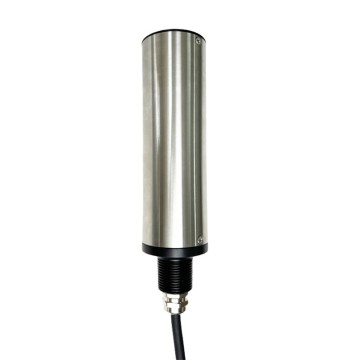
Explore Specifications →90-degree scattered infrared optical system detecting micro-suspended solids, feed residues, and biofloc density in closed RAS environments.
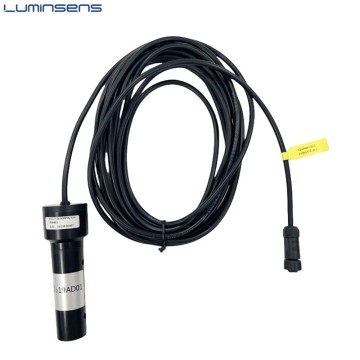
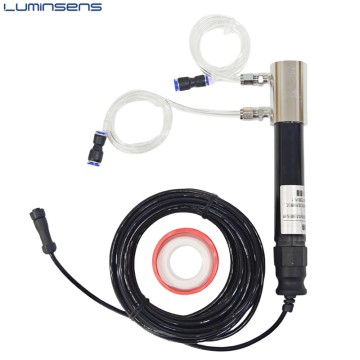
Explore Specifications →Real-time non-dispersive dissolved carbon dioxide probe preventing aquaculture hypercapnia and optimizing degasser aeration cycles.
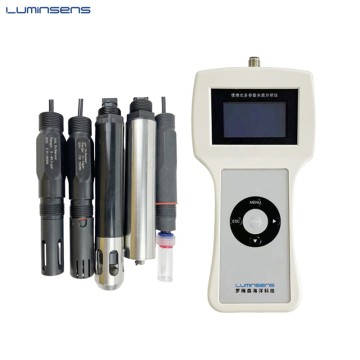
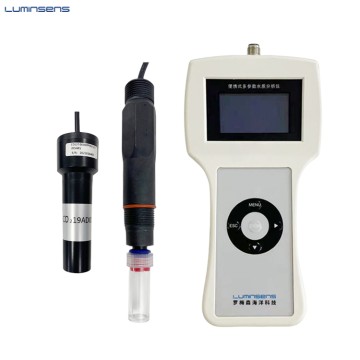
Explore Specifications →Integrated portable analyzer capturing DO, pH, salinity, and turbidity simultaneously with on-site real-time data storage and calibration.
Explore Specifications →The global aquaculture sector is undergoing a profound structural transition. Driven by escalating global protein consumption, tightening environmental regulations, and the rapid expansion of land-based Recirculating Aquaculture Systems (RAS) and offshore high-energy sea cages, industrial operators can no longer rely on sporadic manual water sampling. Water quality is the single most critical variable dictating feed conversion ratios (FCR), biomass growth velocity, pathogen outbreak vulnerability, and overall farm profitability.
Deploying dedicated water detector sensor systems for aquaculture tracking provides continuous, 24/7 telemetry across aquatic parameters that fluctuate within minutes. Sub-lethal hypoxic events, undetected ammonia spikes, and micro-shifts in pH or dissolved carbon dioxide can cause irreversible physiological stress in delicate aquatic species such as Litopenaeus vannamei (Pacific white shrimp), Atlantic salmon, and sea cucumbers.
Modern precision fish farming pairs robust optical fluorescent probes with industrial IoT (Internet of Things) nodes and cloud analytics, transforming raw hydrostatic measurements into automated actuation protocols. By interfacing sensor data with automated paddlewheel aerators, liquid oxygen injection grids, feeding dispensers, and ozone generators, commercial farms reduce catastrophic mortality risks while slashing energy overhead by up to 35%.
Fluorescence phase lifetime technology eliminates oxygen consumption and electrolyte maintenance, ensuring drift-free tracking across marine cycles.
Integrated automatic mechanical wiping systems and specialized silicone membranes prevent marine biofilm accumulation in intensive cages.
RS485 Modbus RTU communication paired with 4G, LoRaWAN, and cloud platforms enables real-time threshold alarms and automated pump triggers.
Heavy-duty corrosion-resistant alloy housings built to endure extreme salinity, high-pressure subsea conditions, and harsh chemical treatments.
A comprehensive breakdown of sensory detection principles, physiological significance, and sensor engineering requirements across critical water metrics.
Dissolved oxygen is the baseline lifeline of any aquaculture facility. While traditional galvanic electrodes suffer from electrolyte depletion, membrane fouling, and flow dependence, optical luminescence sensors measure the phase shift of reflected red light when a ruthenium compound is excited by blue LED light. This yields millisecond response times, zero oxygen consumption, and dependable low-range trace accuracy even in stagnant waters.
In high-density RAS systems, fish respiration generates intense levels of dissolved CO₂. Elevated CO₂ concentrations (above 15-20 mg/L) induce respiratory acidosis, lethargy, and nephrocalcinosis in salmonids. Digital CO₂ and solid-state pH sensors provide the accurate chemical telemetry needed to automate CO₂ stripping towers, vacuum degassers, and sodium bicarbonate dosing.
Infrared 90° and 135° backscattering turbidity sensors measure particulate organic matter, uneaten feed pellets, and biofloc microbial aggregates. Continuous optical TSS tracking allows aquaculture operators to adjust backwashing frequency for drum filters, optimize protein skimmer foam fractionation, and maintain ideal biofloc settling volumes without over-filtering beneficial nitrifying bacteria.
Un-ionized ammonia (NH₃) and hydrogen sulfide (H₂S) are lethal toxins capable of wiping out entire pond inventories within hours. Utilizing advanced solid-membrane ion-selective sensor arrays alongside temperature and pH compensation algorithms enables early identification of anoxic sediment breakdown and biofilter breakdown before catastrophic mortality strikes.
Osmoregulation demands significant metabolic energy from aquatic species. Toroidal inductive conductivity sensors provide drift-free salinity tracking across brackish estuaries, coastal hatcheries, and inland shrimp farms, ensuring seamless acclimation during salinity step-downs or seasonal monsoon-driven dilution events.
Biosecurity intake water treatment requires strict sterilization via sodium hypochlorite, chlorine dioxide, or ozone. Potentiostatic digital residual chlorine sensors monitor biosecurity neutralization ponds, ensuring that influent disinfection remains bactericidal while preventing cytotoxic residual oxidants from reaching juvenile nursery tanks.
Discover how custom optical water sensor integration addresses specific operational challenges across diverse aquaculture sectors worldwide.
In high-density industrial salmon and trout RAS facilities, water circulates through mechanical drum filters, moving bed biofilm reactors (MBBR), and UV disinfection units. Multi-parameter sensor probes installed at tank inlets and biofilter outlets provide closed-loop control over pure oxygen injection and degassing blowers, guaranteeing steady water conditions at maximum stocking densities.
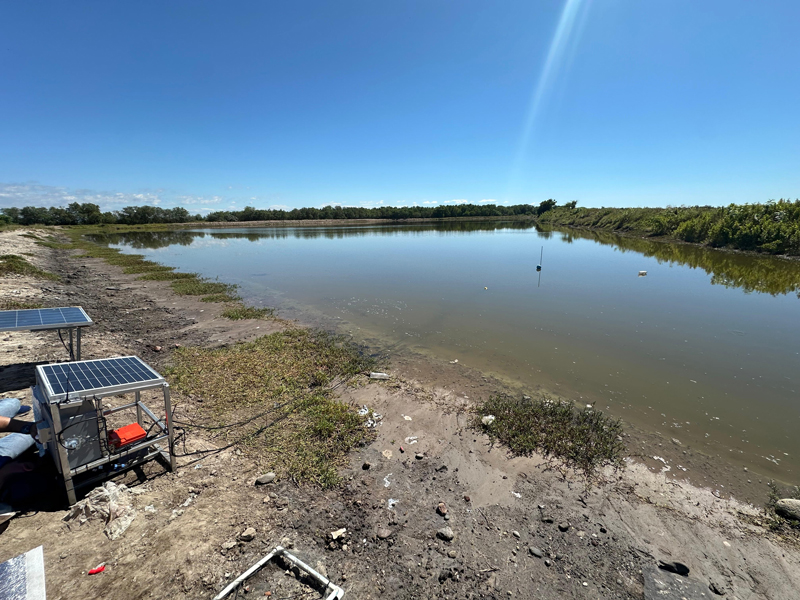
Penaeid shrimp farming in Southeast Asia and Latin America faces extreme diurnal fluctuations in algae photosynthetic activity, causing dissolved oxygen to peak in the afternoon and crash to near-zero levels before dawn. Continuous optical DO sensor arrays trigger mechanical paddlewheels dynamically, slashing electric power waste during daylight while preventing nighttime mass suffocation.
Submersible offshore floating cages require ruggedized telemetry buoys equipped with anti-fouling fluorescent DO, temperature stratification, and salinity sensors. Data transmitted via 4G or satellite allows shore-based managers to track thermoclines, avoid harmful algal blooms (HABs), and schedule automated feed dispersal to match fish metabolic feeding activity.
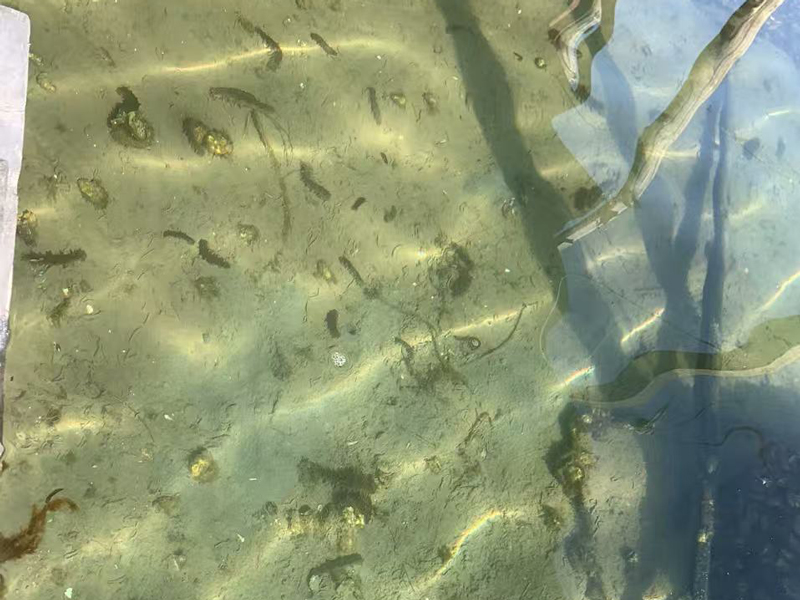
Benthic species like sea cucumbers (Apostichopus japonicus) inhabit bottom substrates where sediment organic matter decay rapidly depletes dissolved oxygen and produces toxic sulfides. Portable and stationary bottom-placed sensor probes ensure micro-environmental stability in breeding ponds and larval cultivation trays.
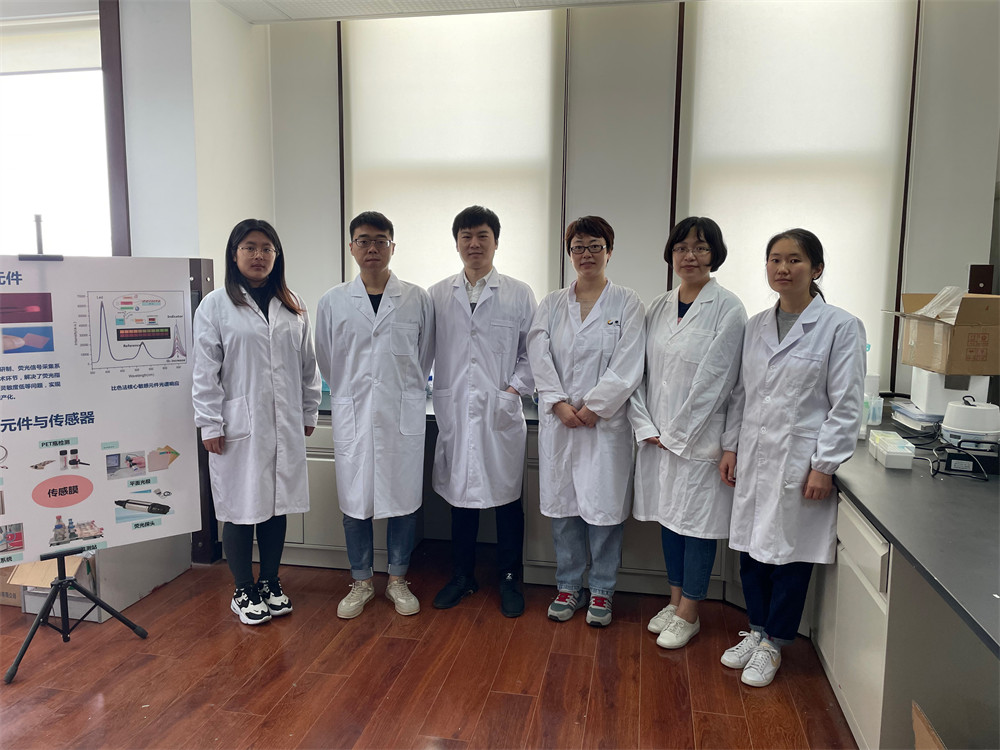
Qingdao LuminSens Marine Technology Co., Ltd., a spin-off enterprise from the Institute of Marine Instrumentation of Shandong Academy of Sciences, is dedicated to marine monitoring technology and high-end optical water quality sensors. With a registered capital of 12.97 million yuan, we specialize in OEM R&D, production, and customization of fluorescent sensing components.
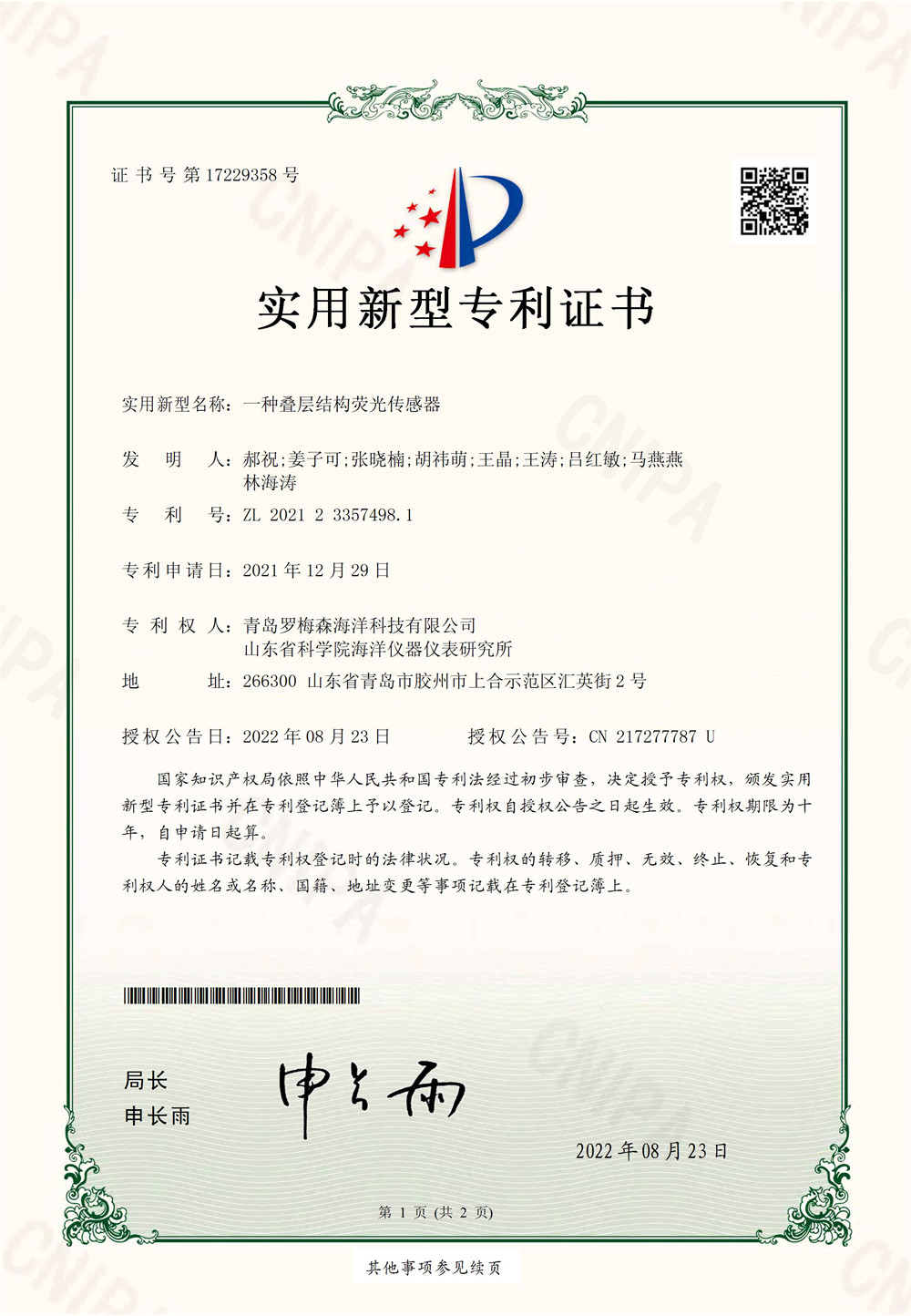
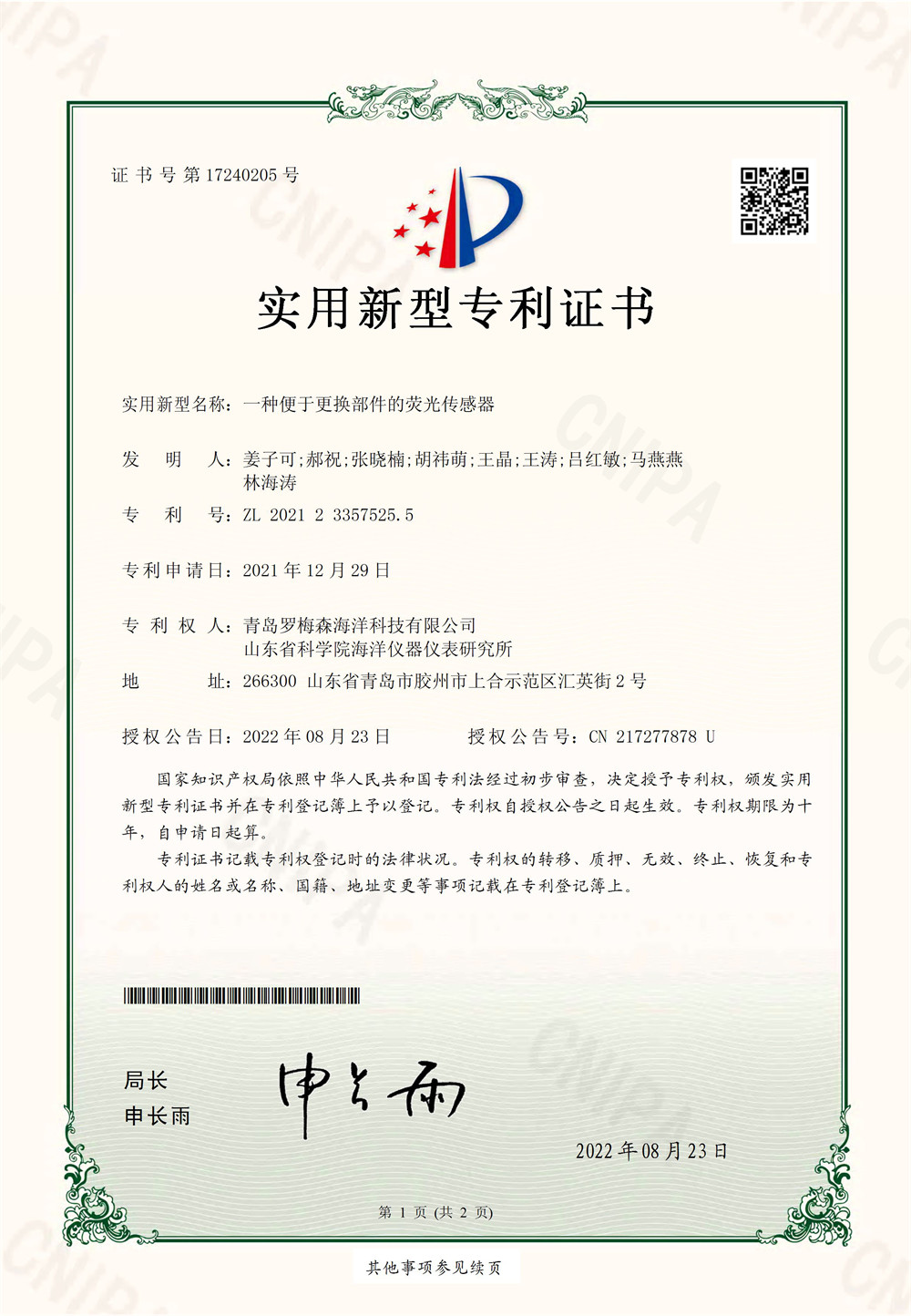
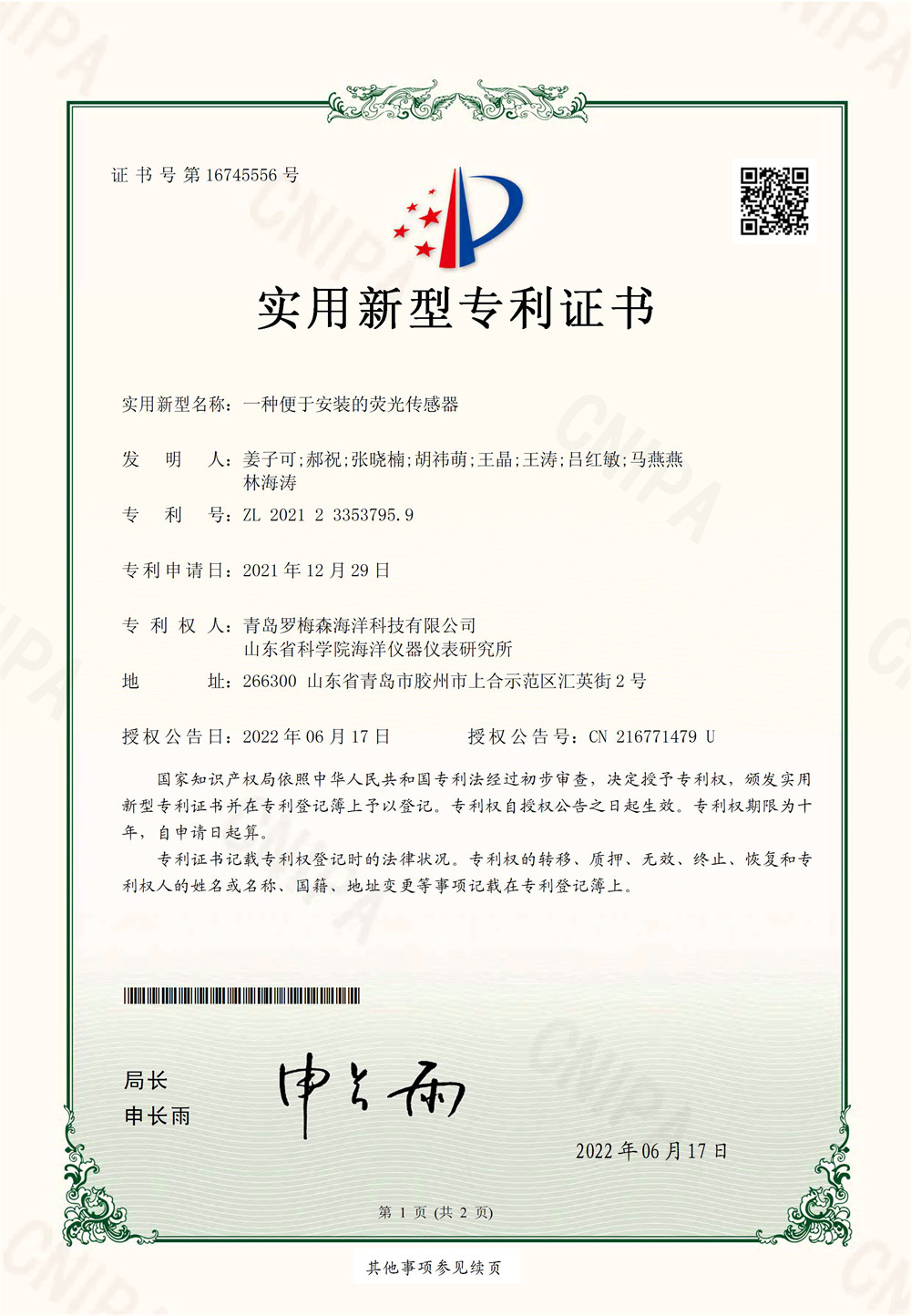
Our breakthrough innovations in dissolved oxygen, turbidity, chlorophyll, and blue-green algae sensors address critical industry challenges like leakage, slow response, and low sensitivity, delivering cost-effective solutions for aquaculture, environmental monitoring, biomedicine, and industrial applications.
Guard water resources with technology, empower sustainability with data. LuminSens aspires to lead global innovation in water quality monitoring. By advancing sensor technology and fostering partnerships, we aim to transform every drop of water into intelligent insights, building a greener future for all.
Backed by academic research institutes and validated across demanding commercial deployments globally.
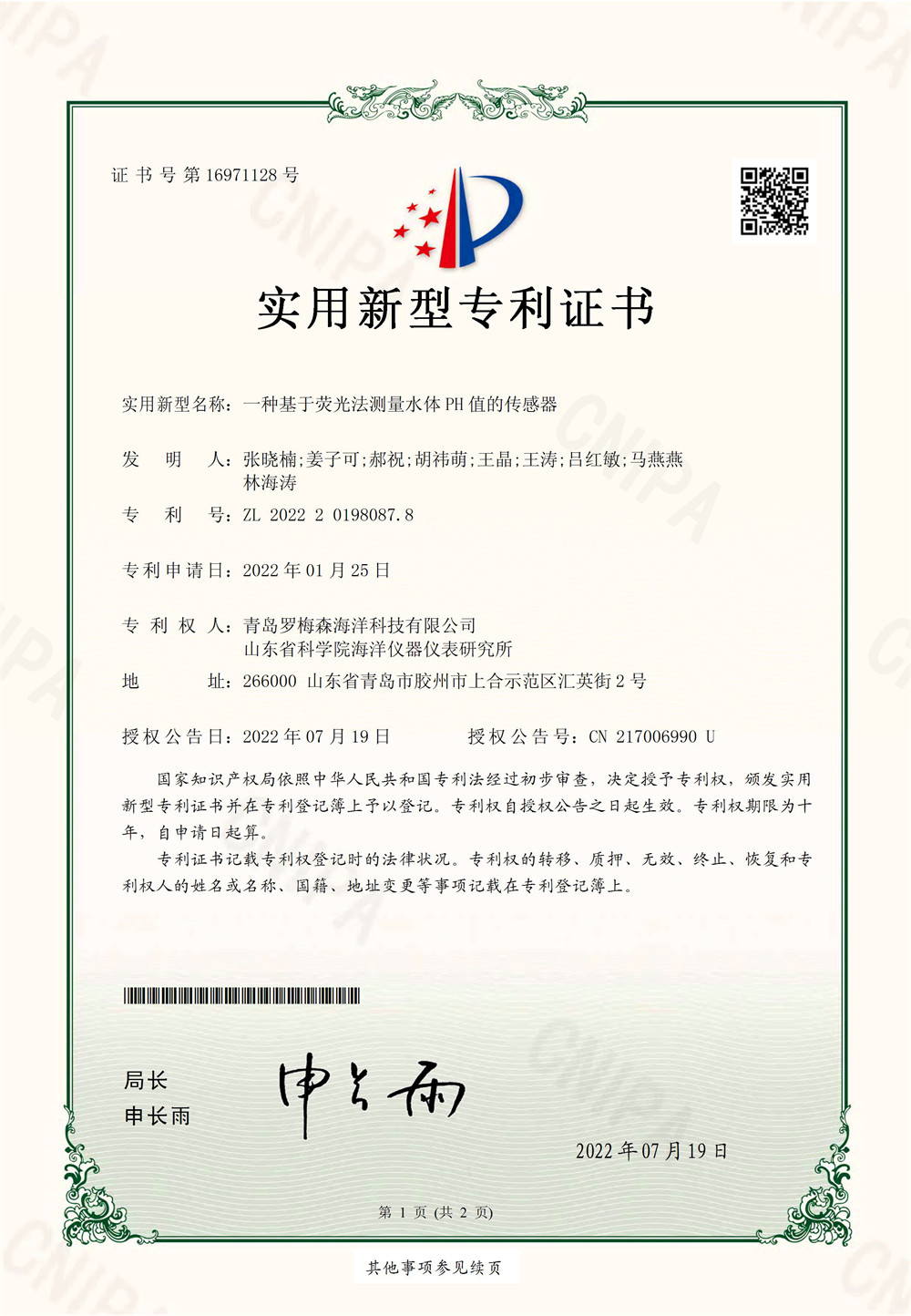
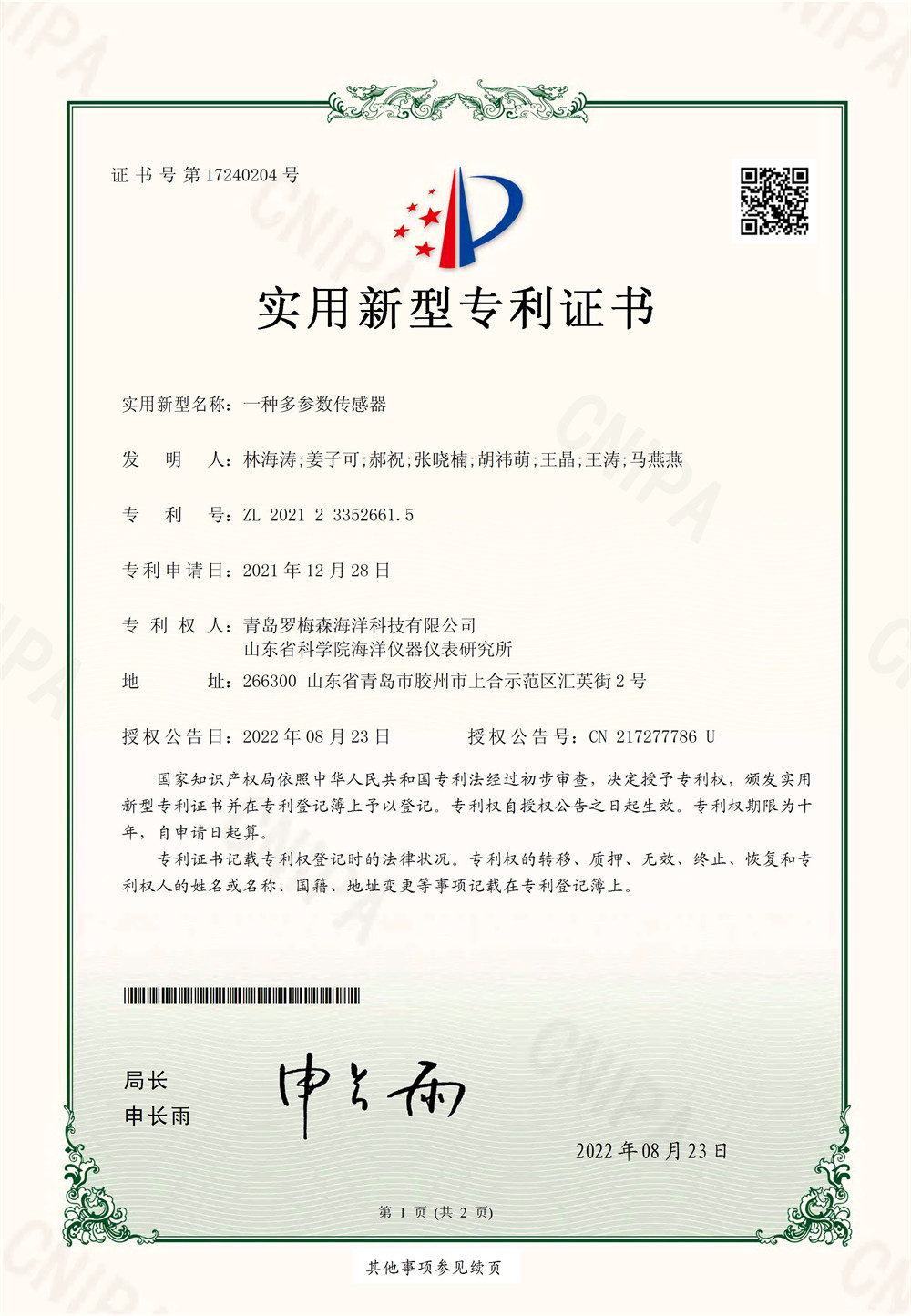
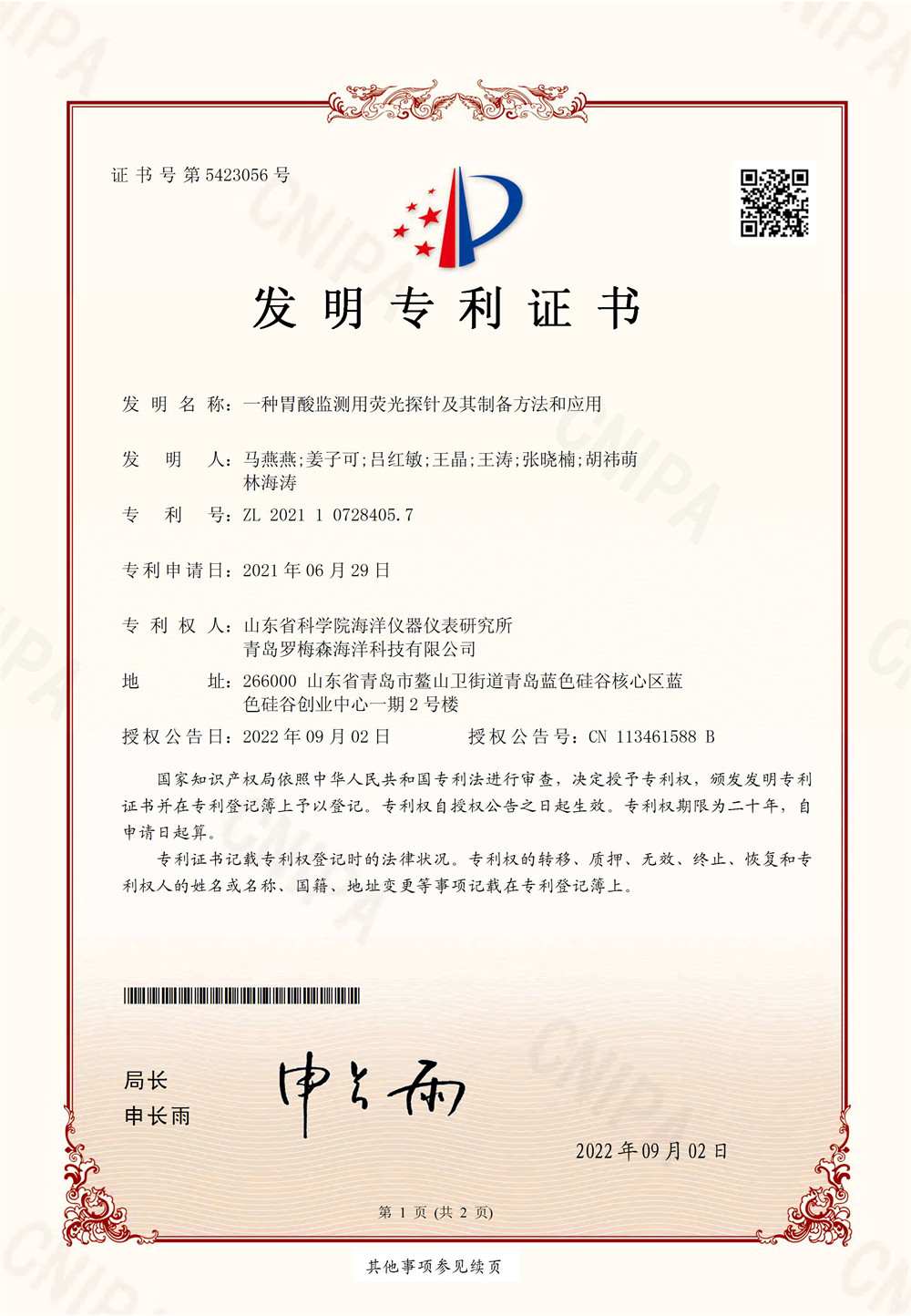
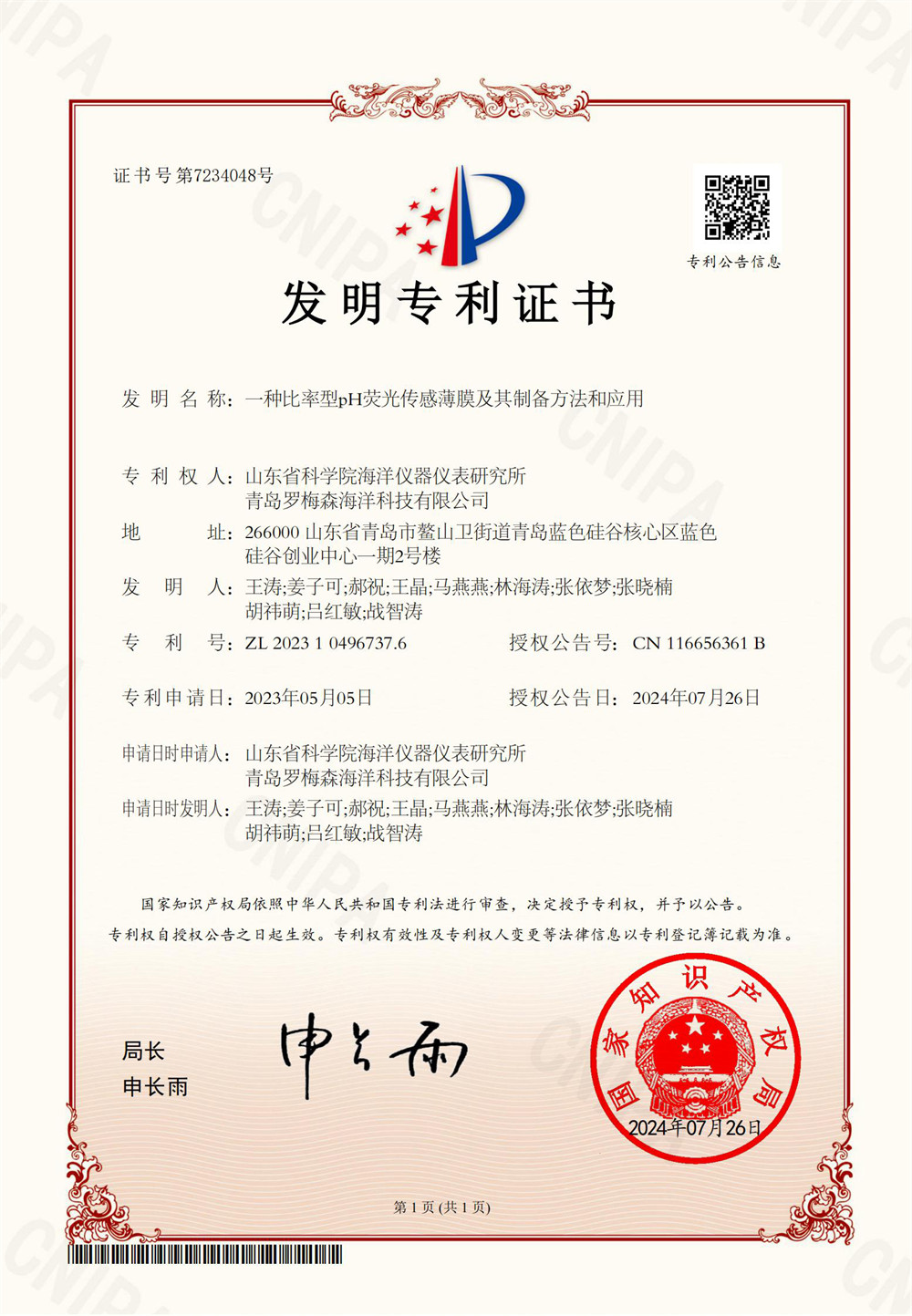
30+ SCI papers, 12 software copyrights, and 10+ patents in fluorescent sensing, optical membrane engineering, and marine data analytics.
Leading 10+ national marine and environmental projects, including NSFC grants, with prestigious awards for technological advancement in sensor reliability.
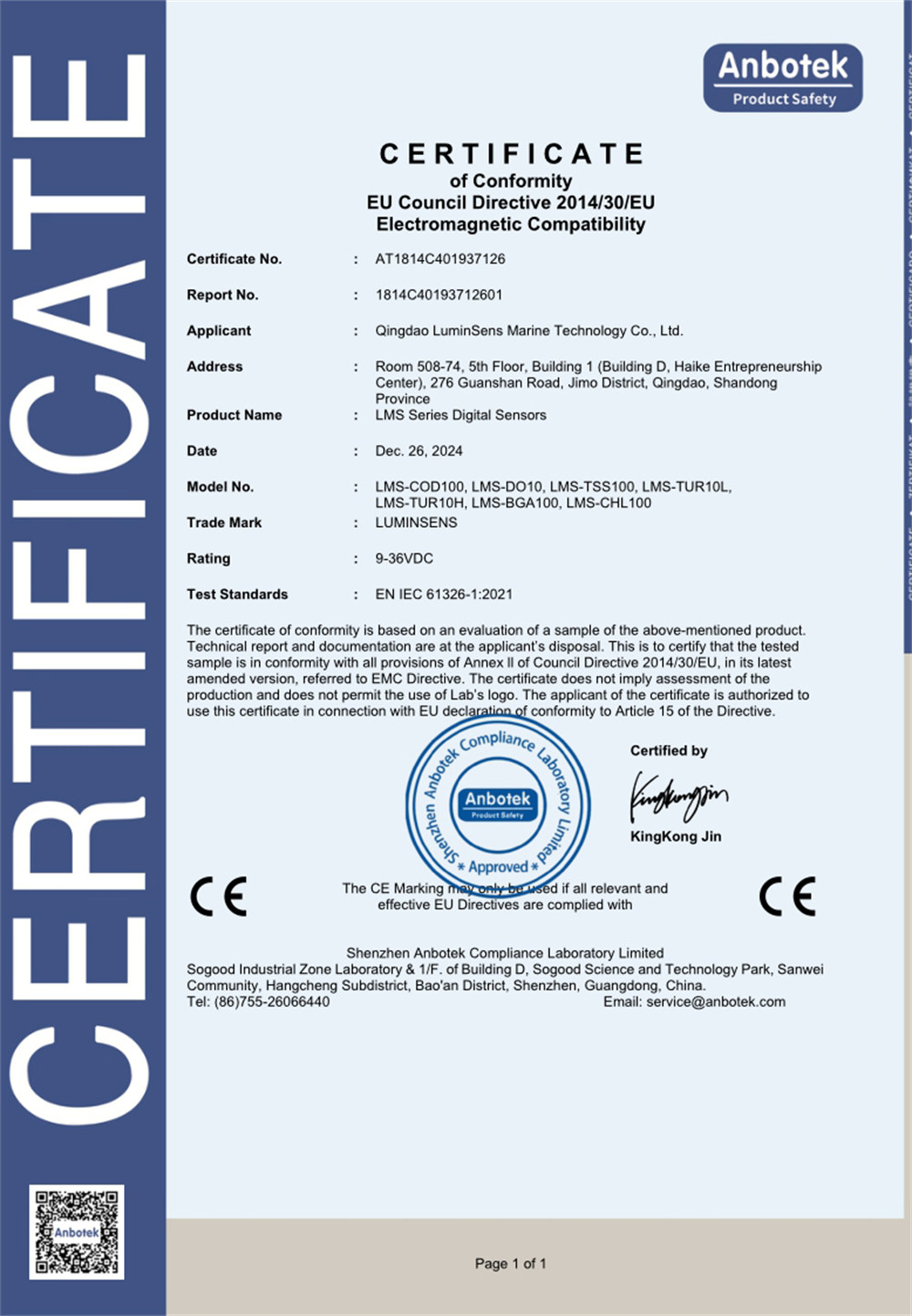
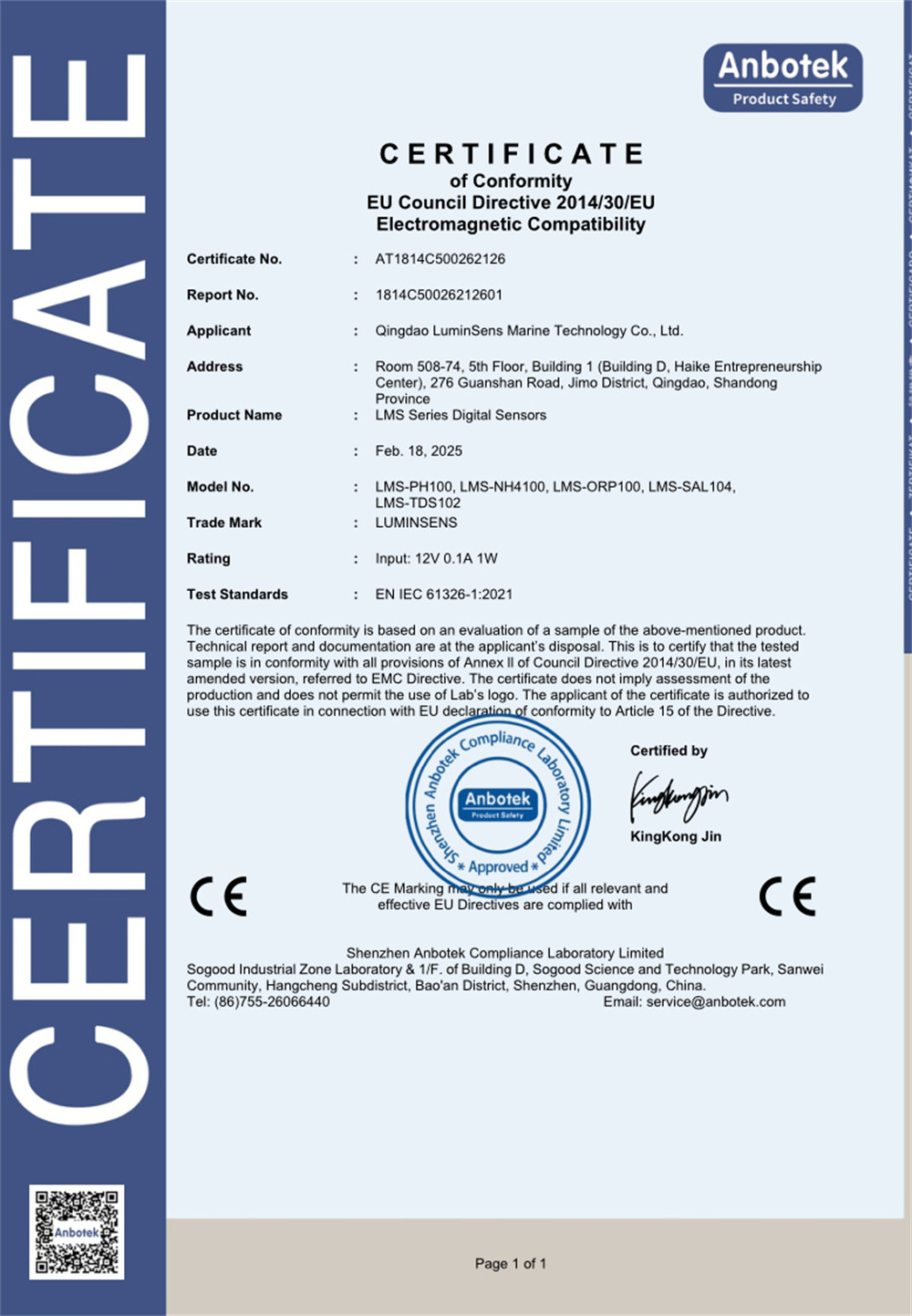
Exhibited in 8 global hubs (Shanghai, Beijing, Malaysia, Indonesia, Dubai, etc.), serving 30+ countries with fully CE-certified, marine-grade telemetry solutions.
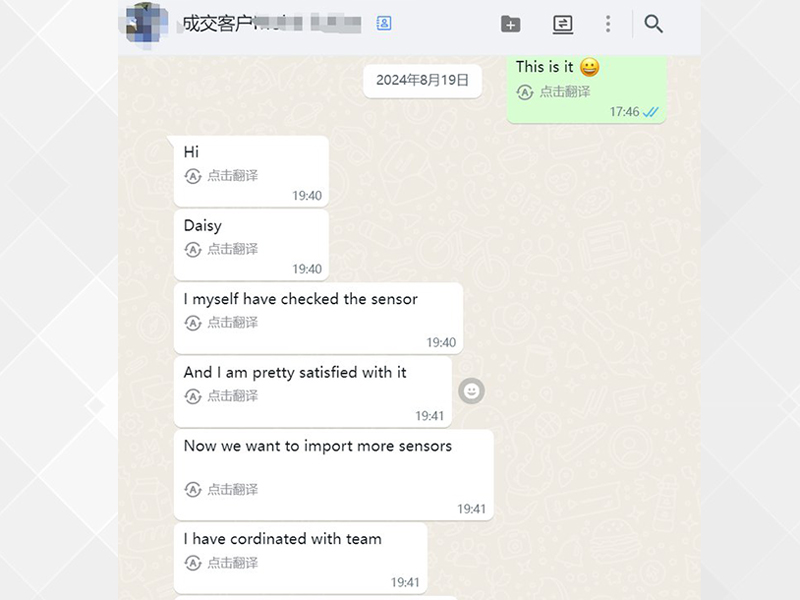
Empowered 500+ clients worldwide with an 85% repeat rate, boosting aquaculture production efficiency by 40% and cutting operational monitoring overhead by 30%.
From laboratory PhD breakthroughs to ruggedized industrial field reliability across global waterways.
In 2015, a team of PhD researchers in Qingdao embarked on a mission to redefine water quality monitoring. After thousands of trials, we revolutionized fluorescent sensor stability, turning lab breakthroughs into industrial-grade solutions. Today, LuminSens sensors serve as the “intelligent eyes” for rivers, lakes, and industrial waters in over 30 countries, making invisible water issues visible and actionable.
We collaborate with leading global research institutions and industry pioneers, including the Institute of Oceanology, Chinese Academy of Sciences, Chinese Academy of Fishery Sciences, and First Institute of Oceanography, Ministry of Natural Resources, while delivering customized sensor solutions for enterprises such as China National Offshore Oil Corporation (CNOOC) and China Telecom, driving innovation in marine monitoring technologies.
Every sensor probe manufactured in our Qingdao cleanrooms undergoes rigorous 72-hour continuous thermal cycling, hyperbaric hydrostatic pressure testing, and multi-point optical calibration against certified primary standard solutions. This guarantees exceptional field accuracy from freezing sub-polar mariculture cages to high-salinity tropical shrimp hatcheries.
Explore proven real-world deployments where LuminSens telemetry sensors revolutionized water quality monitoring.
Deployed DO + pH Sensors with integrated automatic self-cleaning wiper brushes across commercial shrimp ponds in the Mekong Delta, preventing nocturnal hypoxia and saving 28% in aeration electrical costs.
Implemented portable fluorescent dissolved oxygen analyzers and micro-depth bottom probes for high-value sea cucumber breeding facilities, eliminating benthic anoxia and disease mortality.
Integrated multi-parameter DO + Salinity + pH Sensors with 4G cellular IoT telemetry modules for shrimp pond tracking in Honduras, offering remote cloud dashboards and instant SMS threshold alerts.
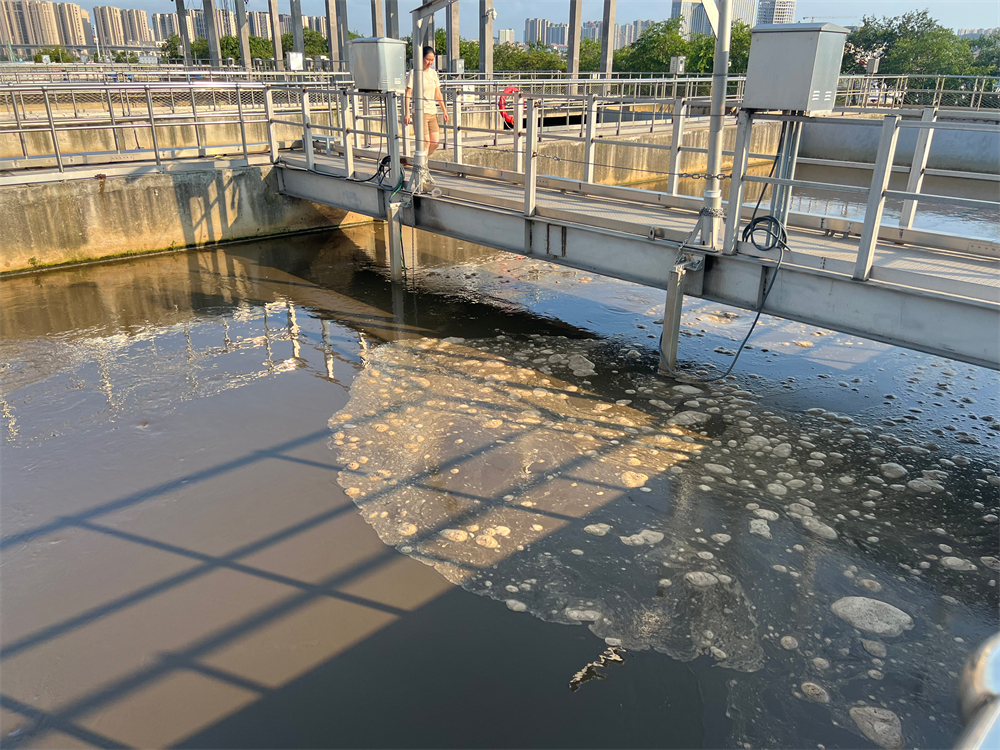
Installed continuous UV-absorption COD + pH online touchscreen analyzers for aquaculture effluent treatment stations, ensuring full discharge regulatory compliance.
High-precision water tracking instruments engineered for direct aquaculture basin and RAS integration.
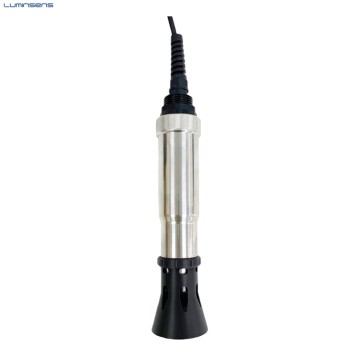
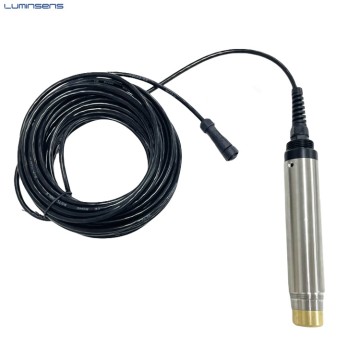
High-end Fluorescent DO Sensor DO200-P with 316L stainless steel core, engineered for high-precision aquaculture water quality monitoring and extreme saline conditions.
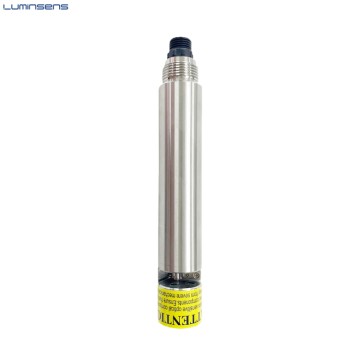
View Sensor →LMS-COD100 series adopting ultraviolet absorption technology for reagent-free, real-time organic load tracking in effluent treatment and recirculating biofilters.
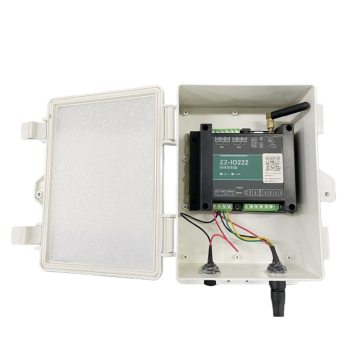
View Sensor →Deep cloud collaboration pairing multi-channel water probes with cellular IoT gateways to build a unified full-link intelligent telemetry and control architecture.
View Sensor →Antimicrobial DO Sensor LMS-DO100C with biofouling-resistant fluorescent membrane cap, engineered specifically for high-bioburden aquaculture tanks.
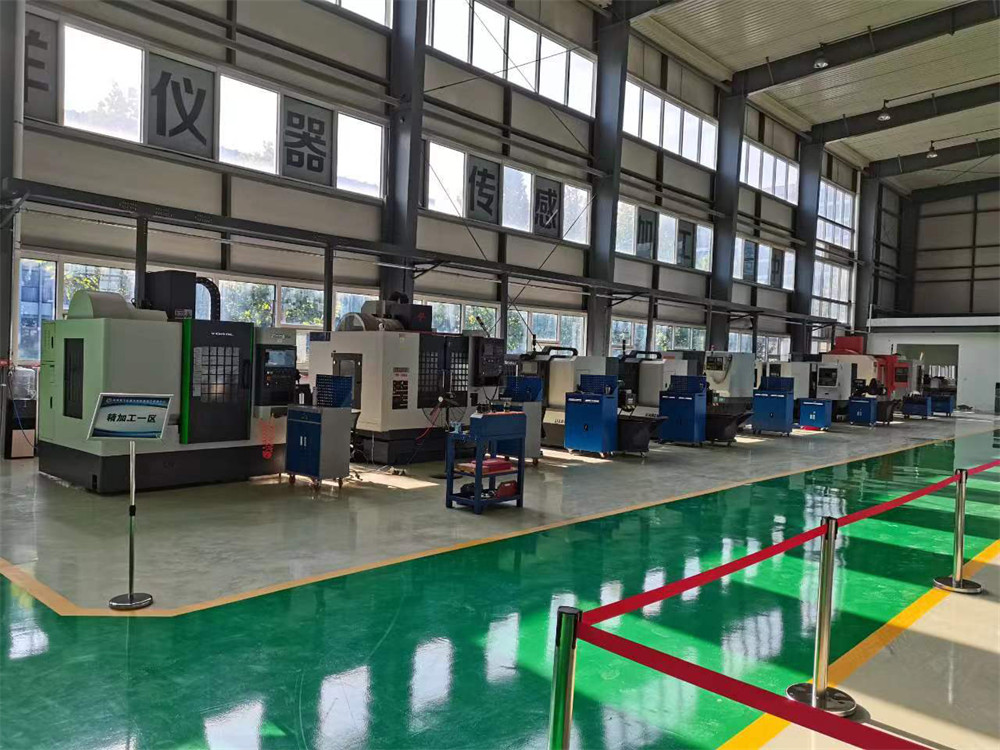
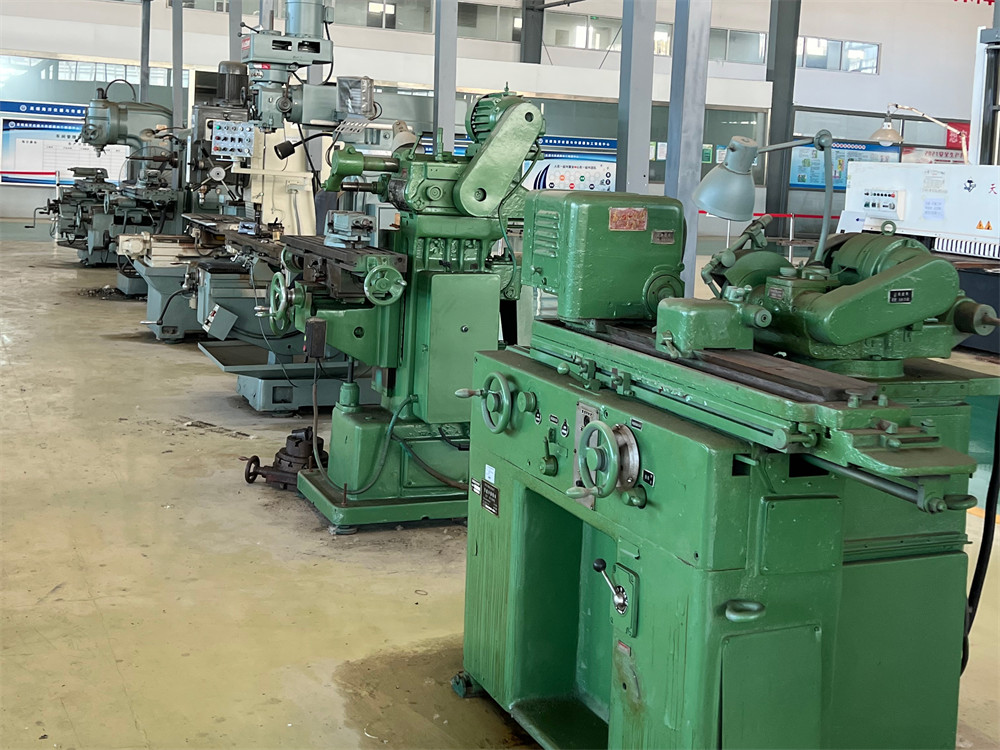
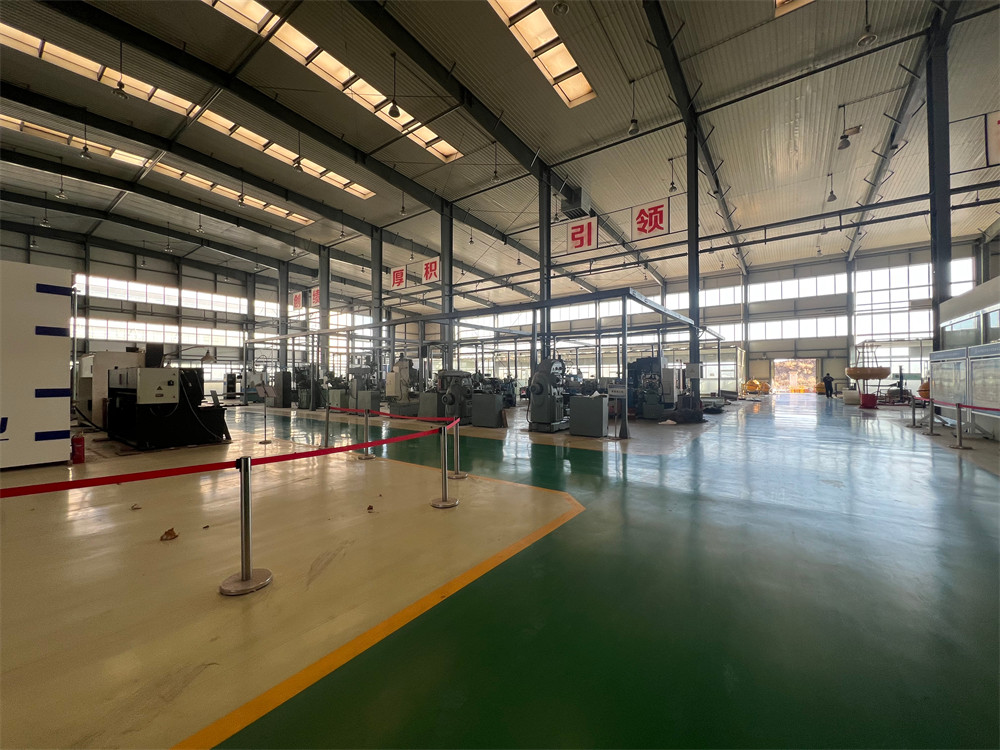
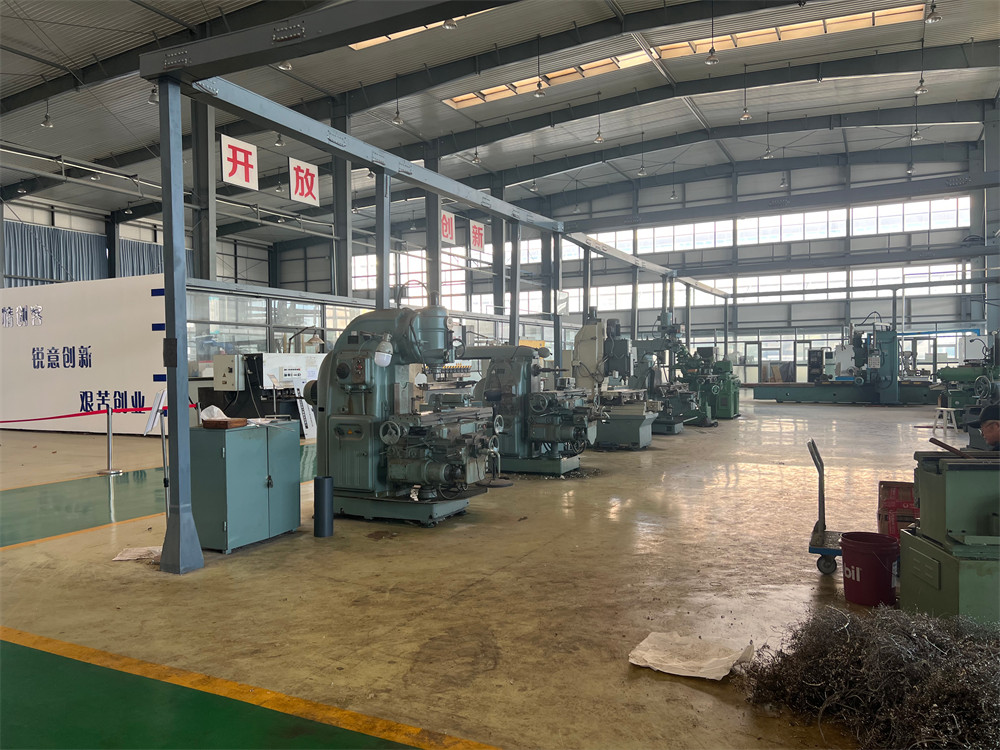
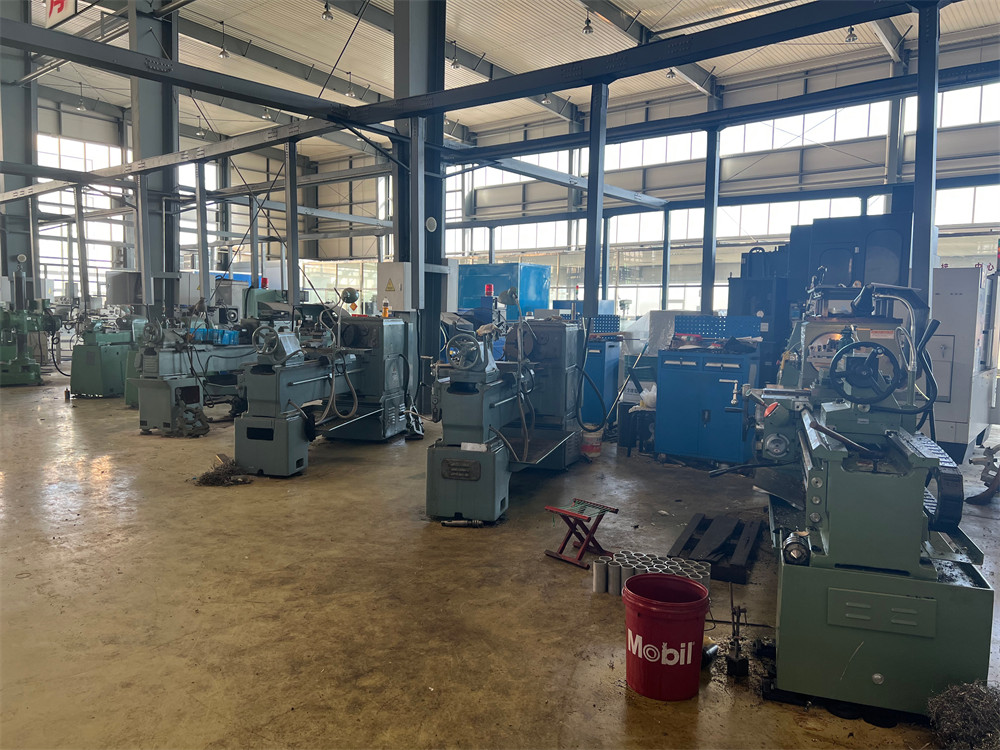
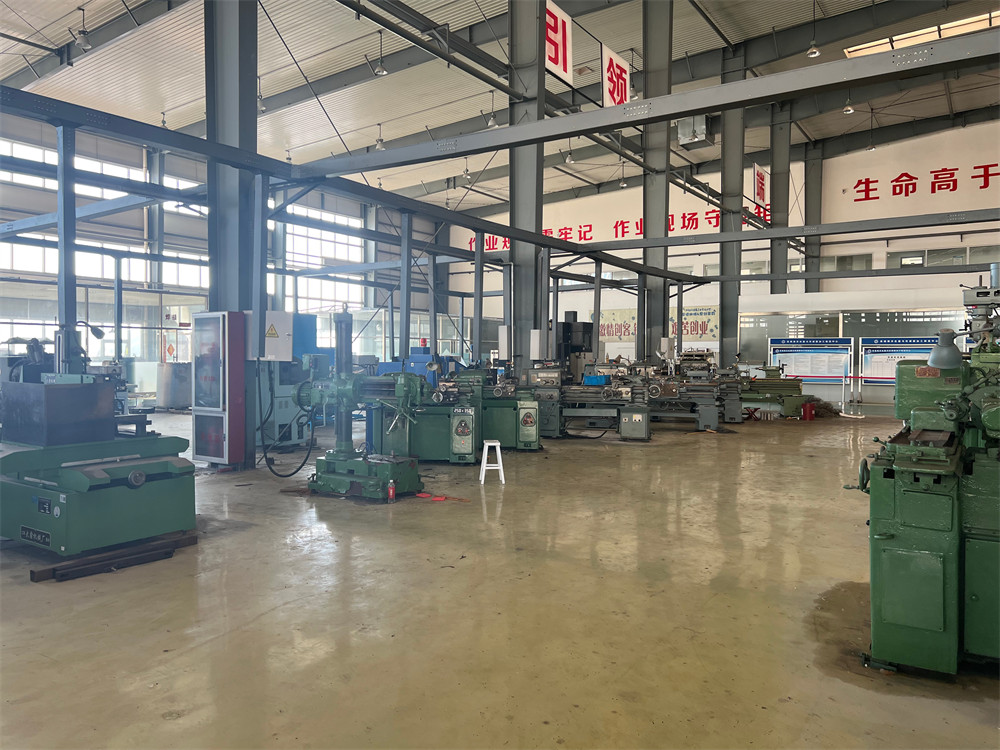
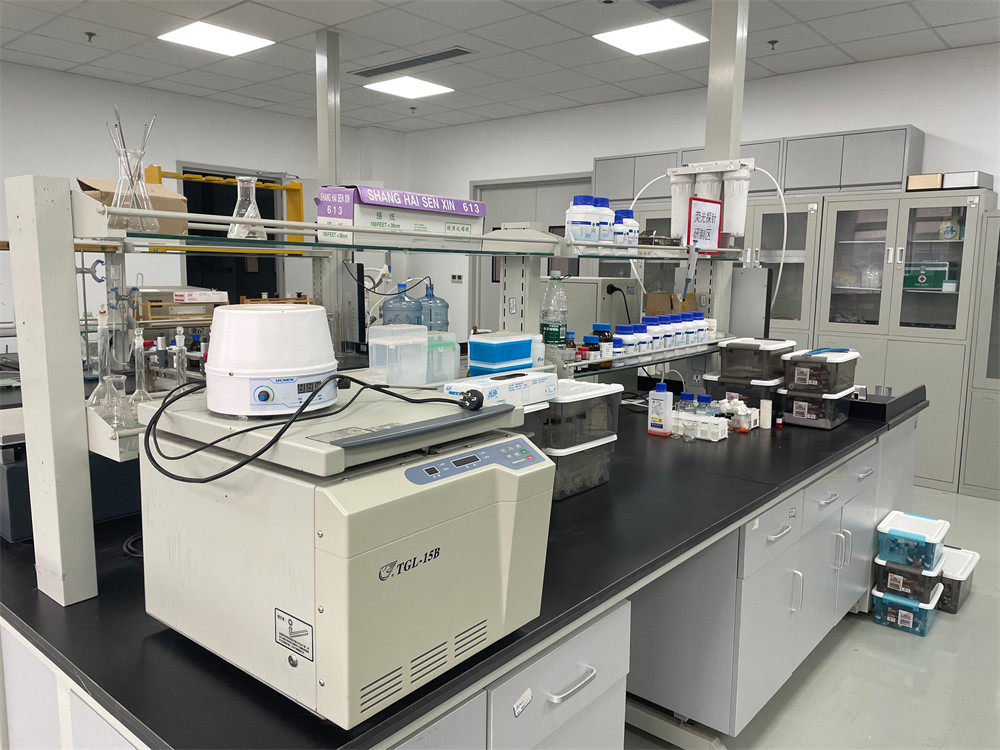
View Sensor →Our state-of-the-art optical laboratory, calibration pools, cleanroom manufacturing lines, and international exhibition presence.


Our water detection sensors adhere strictly to CE, ISO, and international environmental instrumentation standards.


Trusted by commercial aquaculture conglomerates, research bodies, and industrial plants worldwide.


Contact Us For Best Technical Guidance • Would you like to know more about our optical DO, CO₂, or multi-parameter probe integration? Leave your email and project requirements with us and our application engineering team will reply within 24 hours.
Click for Inquiry & Custom OEM QuoteSelect from our fully certified, OEM-customizable optical and digital probe models below.
Field-deployable analyzer tracking toxic dissolved sulfides and carbon dioxide levels in intensive aquaculture ponds.
Product Details →Ultra-sensitive trace dissolved oxygen optical probe built for precision monitoring in hatchery tanks and micro-aerobic systems.
Product Details →Submersible dissolved carbon dioxide sensor probe engineered for RAS water degassing efficiency and hypercapnia mitigation.
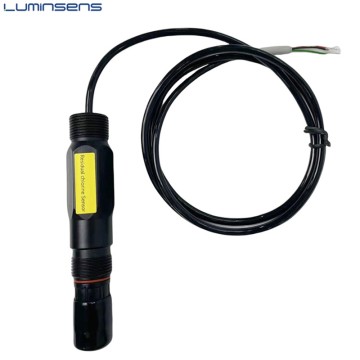
Product Details →Digital potentiostatic sensor probe tracking residual disinfectant chlorine in aquaculture water treatment and intake biosecurity.
Product Details →Corrosion-resistant optical DO sensor delivering continuous aeration automation signals for modern commercial aquaculture pens.
Product Details →High-precision infrared scattering sensor tracking suspended organic particles and biofloc flocculation in closed-loop systems.
Product Details →Handheld telemetry unit capturing DO, pH, salinity, and turbidity in one integrated instrument for rapid multi-pond spot inspections.
Product Details →Industry-standard fluorescent DO probe engineered for continuous immersion, low maintenance, and seamless telemetry network integration.
Product Details →