The Strategic Imperative of Digital Water Quality Tester Kits in Modern Wastewater Management
Transitioning from intermittent manual grab sampling to continuous, digitalized, multi-parameter surveillance in industrial effluent control and municipal sanitation.
Industrialization, rapid urbanization, and tightening global environmental frameworks (such as the EU Water Framework Directive and US EPA NPDES Discharge Standards) have transformed industrial wastewater monitoring from a periodic compliance routine into a mission-critical, continuous process control operation. Modern industrial wastewater facilities—ranging from chemical processing plants, textile finishing houses, and metal electroplating operations to food processing and municipal wastewater treatment plants (WWTPs)—face complex challenges: fluctuating biological and chemical pollutant loads, strict zero-liquid discharge (ZLD) mandates, aggressive corrosive reagents, and rising energy costs associated with aeration.
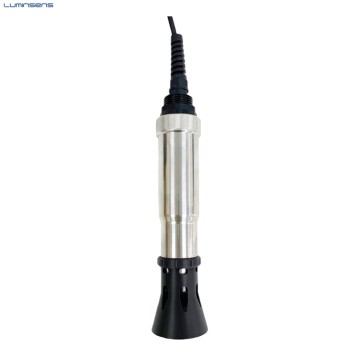
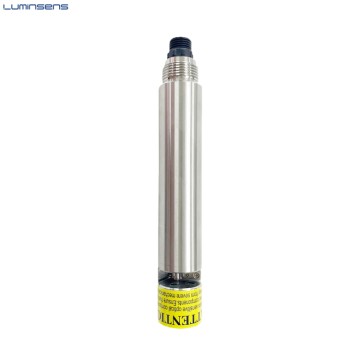
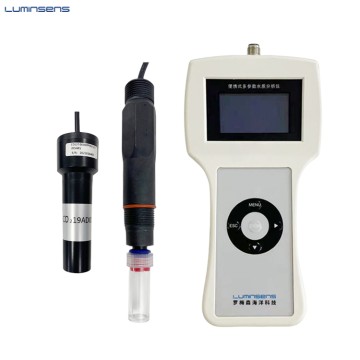
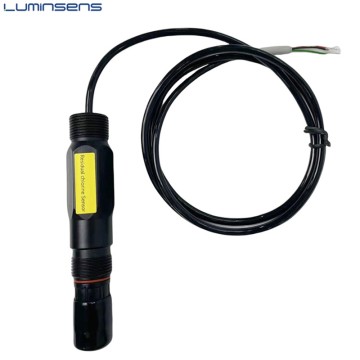
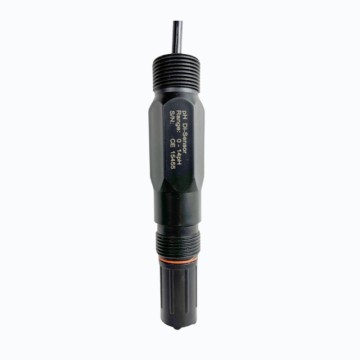
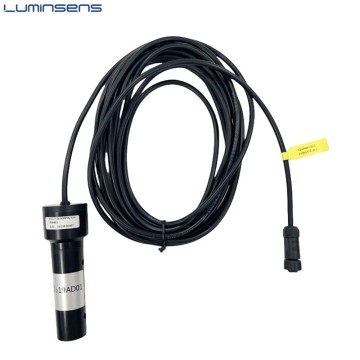
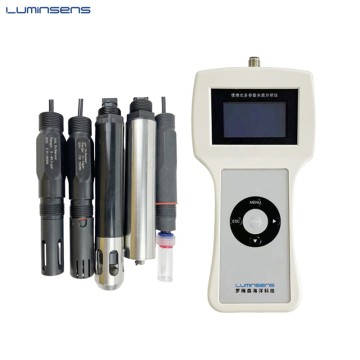
In this demanding landscape, an advanced Water Quality Tester Kit For Wastewater Monitoring serves as an indispensable tool. Moving far beyond traditional wet chemistry test tubes and colorimetric strips, modern industrial tester kits comprise solid-state optical probes, digital ion-selective electrodes (ISE), anti-fouling fluorescent sensors, and high-frequency digital telemetry loggers. These kits provide instantaneous diagnostics of key wastewater parameters—such as Dissolved Oxygen (DO), Chemical Oxygen Demand (COD/BOD/TOC equivalents), Oxidation-Reduction Potential (ORP), pH, Free/Residual Chlorine, Electrical Conductivity (EC/TDS), Turbidity, and Dissolved Carbon Dioxide (CO₂)—enabling facility operators to preempt process upsets, minimize chemical over-dosing, and eliminate the risk of illegal discharge fines.
⚙
Dynamic Aeration Control
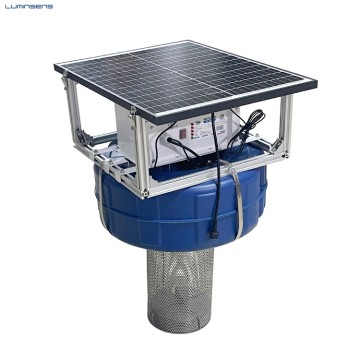
Fluorescent optical DO sensing delivers real-time biological aeration feedback, cutting blower electricity consumption by 25% to 40% while preventing filamentous sludge bulking.
🖊
Reagentless COD & TOC Analysis
UV-Vis absorption spectrometry directly quantifies organic carbon loadings without dangerous chemical reagents, eliminating secondary toxic waste and slashing lab expenses.
📶
Intelligent RS485 / 4G Telemetry
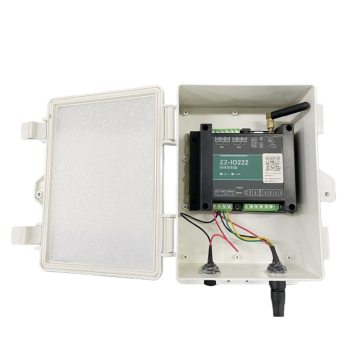
Isolated Modbus RS485 communication combined with edge IoT gateways provides uninterrupted transmission to SCADA and cloud platforms for automated compliance logging.
Deep-Dive: Critical Wastewater Parameters and Sensor Mechanisms
Comprehensive wastewater assessment demands diverse sensor technologies tailored to specific biochemical processes. LuminSens integrates patented fluorescent lifetimes, ultraviolet spectral absorption, and robust electrochemistry to address distinct monitoring requirements:
1. Dissolved Oxygen (DO) in Biological Treatment
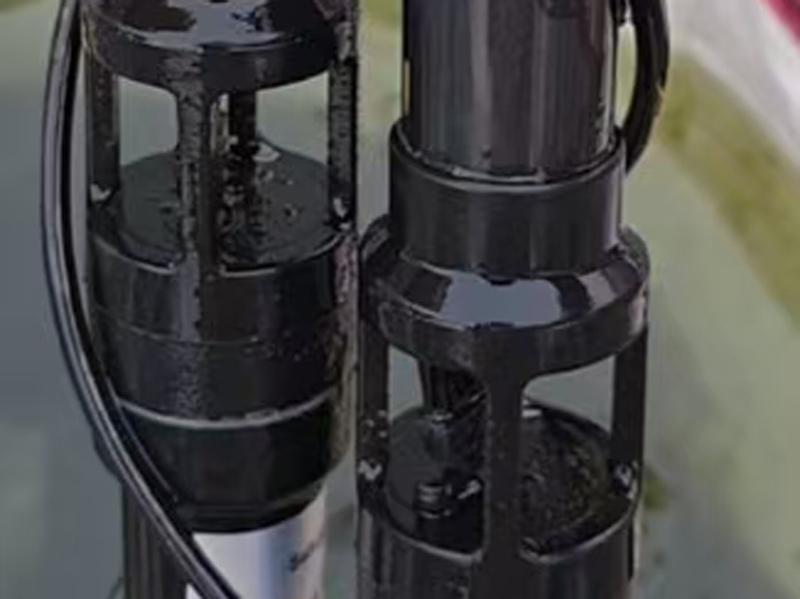
In activated sludge systems, sequencing batch reactors (SBR), and membrane bioreactors (MBR), maintaining optimal dissolved oxygen levels (typically 1.5 - 2.5 mg/L) is critical for nitrifying bacteria and heterotrophic biomass. Traditional galvanic and polarographic DO probes consume oxygen during measurement and require frequent electrolyte replenishment and fragile membrane replacements. LuminSens optical fluorescent DO sensors utilize the phase-shift quenching principle: a blue excitation light excites a ruthenium- or platinum-based luminophore matrix, and the luminescence lifetime is inversely proportional to partial oxygen pressure. Encased in 316L stainless steel or POM housings, these sensors require no oxygen consumption, operate without electrolyte, and remain immune to hydrogen sulfide (H₂S) poisoning.
2. Reagent-Free Organic Load Monitoring: COD, BOD, and TOC
Conventional Chemical Oxygen Demand (COD) testing takes 2 hours via standard dichromate reflux, while Biological Oxygen Demand (BOD₅) takes 5 days. For immediate process remediation, LuminSens LMS-COD100 series employs dual-beam ultraviolet absorption (254 nm and 530 nm reference). Organic compounds containing conjugated double bonds or aromatic rings absorb light at 254 nm, while the 530 nm channel compensates automatically for suspended solids turbidity and optical window fouling. This enables millisecond-level detection of sudden organic shocks in industrial influent.
3. pH and Oxidation-Reduction Potential (ORP) in Industrial Neutralization & Detoxification
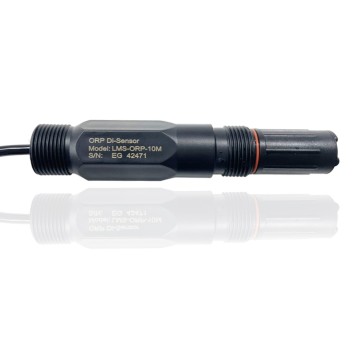
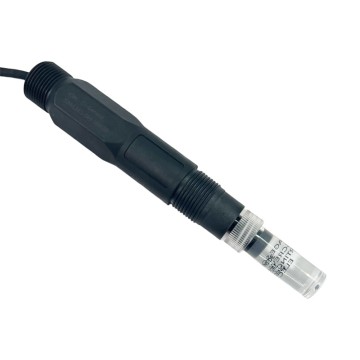
In chemical neutralization and heavy metal precipitation (e.g., converting hexavalent chromium Cr⁶⁺ to Cr³⁺, or breaking down cyanide), pH and ORP electrode stability is vital. Industrial wastewater frequently contains high salinity, oily emulsions, and heavy suspended solids that foul conventional porous ceramic junctions. Digital RS485 pH and ORP probes from LuminSens feature annular polymer gel electrolyte junctions and double-junction reference designs that resist junction clogging and maintain high impedance stability across pH 0–14 and ±2000 mV ORP spans.
4. Conductivity (EC), Salinity, and Total Dissolved Solids (TDS) in Desalination & ZLD
In Zero Liquid Discharge (ZLD) systems, reverse osmosis (RO) brine concentrators, and cooling tower blowdown, four-electrode conductivity sensors eliminate polarization resistance effects found in standard two-pole sensors. Covering a wide dynamic measurement range from 10 µS/cm to 200 mS/cm with integrated PT1000 temperature compensation, these sensors offer reliable diagnostic data on total mineralized ions and membrane integrity.
Industrial-Grade Architecture for Extreme Wastewater Environments
Deploying sensitive electronics into raw sewage, chemical stripping basins, or industrial clarifiers presents severe operational challenges. LuminSens engineering incorporates several key protective design innovations:
-
Biofouling & Scaling Resistance: Optional integrated mechanical self-cleaning wiper brushes scrape sensor optics automatically at programmable intervals, preventing biofilm accumulation in high-nutrient wastewater.
-
Hermetic Seal Integrity: Submersible probes carry IP68 ingress ratings, built with dual O-ring compression seals and potted internal electronics to withstand submersion depths up to 100 meters.
-
Signal Isolation & Noise Immunity: High-precision internal A/D converters digitize analog microvolt signals directly inside the sensor head, transmitting robust RS485 Modbus RTU data over hundreds of meters without ground-loop noise.
Wastewater Monitoring Application Scenarios
Water quality tester kits provide essential data across diverse municipal and industrial wastewater management settings:
Municipal Wastewater Treatment Plants (WWTP)
From influent equalization basins to biological aeration, secondary clarification, and final UV/chlorination disinfection, multi-parameter kits verify that nitrification, denitrification, and phosphorus removal processes function stably. Monitoring residual chlorine downstream of disinfection ensures compliance with microbial pathogen safety while preventing toxic chlorination byproducts from entering receiving waterways.
Chemical, Petrochemical & Refinery Effluent
Petrochemical wastewater streams carry hydrocarbons, phenols, sulfides, and volatile organics. Rapid online monitoring of pH, ORP, and dissolved hydrocarbons prevents catalyst poisoning in biotreatment stages and protects downstream biological flora from acidic or alkaline shock loads.
Textile, Dyeing & Paper Pulp Processing
High chemical oxygen demand, intense color, and broad pH variations characterize textile effluent. Optical UV-absorption COD probes coupled with robust pH sensors provide the rapid feedback required to adjust chemical coagulants (such as polyaluminum chloride and polyacrylamide) efficiently.
Food, Beverage & Dairy Processing
High-strength wastewater rich in fats, oils, grease (FOG), and biological sugars undergoes anaerobic digestion. Probes tracking Dissolved CO₂, pH, and volatile fatty acid proxies help operators stabilize methanogenic digesters and maximize biogas energy yield.





 Contact WhatsApp
 Contact Phone
 Contact Email