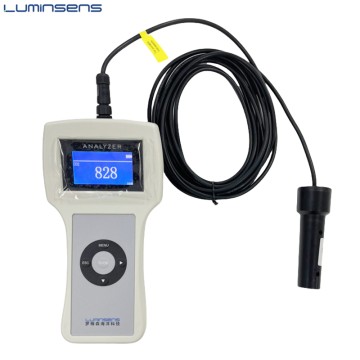
Industrial & Commercial Landscape of Water Testing Kits for Pool Sanitation
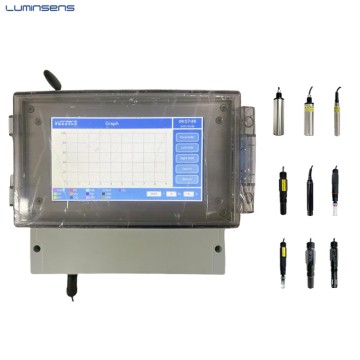
Maintaining pristine water quality in commercial water parks, municipal swimming pools, and high-end hotel spas is no longer just a matter of manual chemical testing. Today, the industrial landscape of pool sanitation is undergoing a digital transformation. Traditional manual testing kits, while still useful for spot checks, are rapidly being replaced or augmented by continuous, online water testing kits for pool sanitation. These advanced systems integrate multi-parameter sensors to provide real-time telemetry on pH, ORP (Oxidation-Reduction Potential), free chlorine, turbidity, and temperature.
The Shift from Manual Kits to Digital Sensor Networks
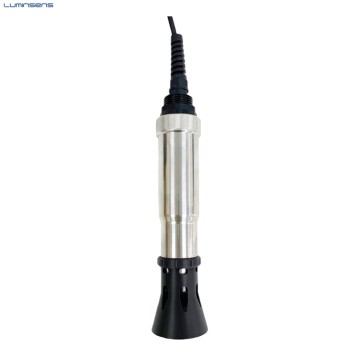
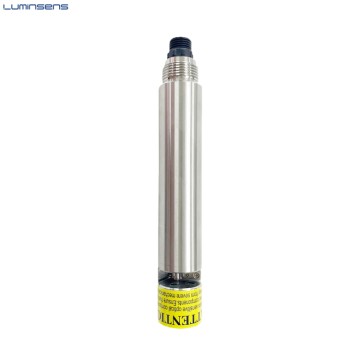
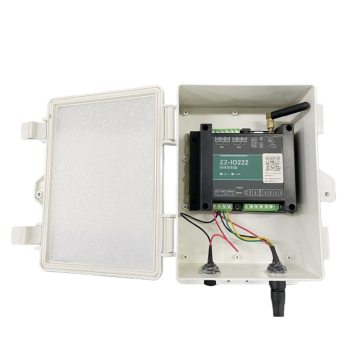
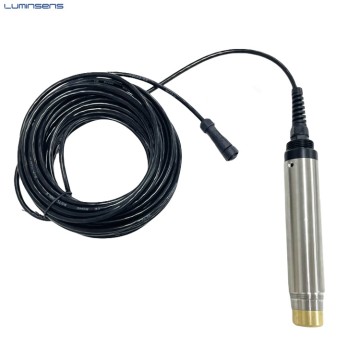
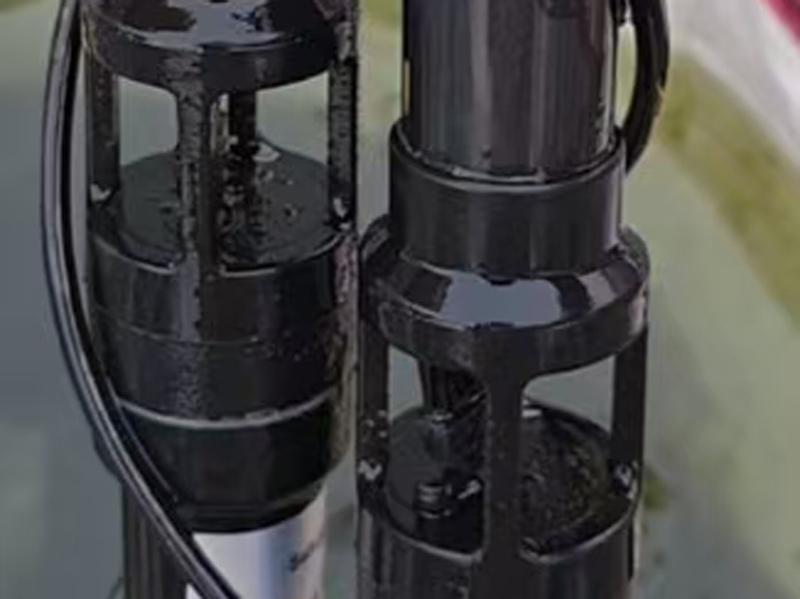
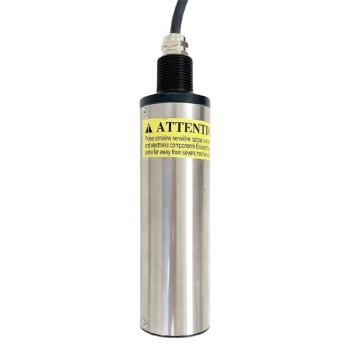
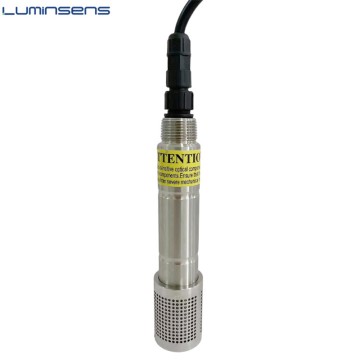
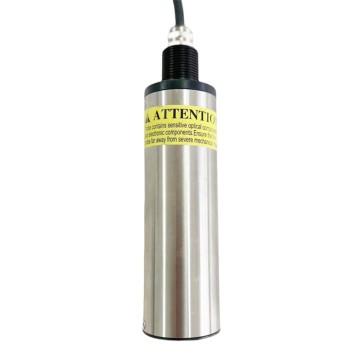
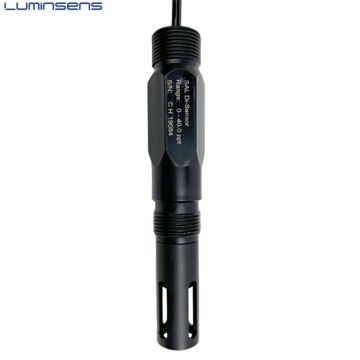
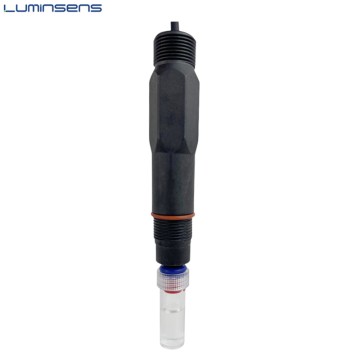
The modern commercial pool sanitation ecosystem demands higher accuracy and lower latency. Traditional colorimetric test strips and chemical reagents are prone to human error, shelf-life expiration, and limited measurement ranges. By integrating digital RS485 sensors—such as conductivity, pH, and dissolved gas probes—operators establish a robust, automated water testing kit network. These sensors communicate directly with centralized PLCs or cloud-based IoT gateways, providing 24/7 visibility into water chemistry.
Regulatory Compliance and Swimmer Safety Standards
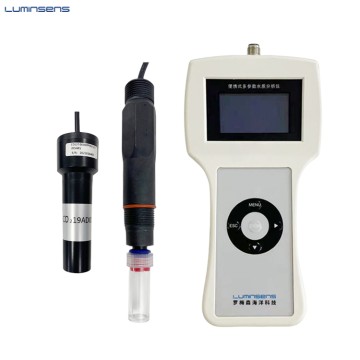
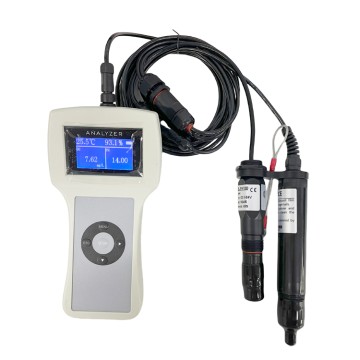
Environmental protection agencies and public health departments worldwide have tightened regulations regarding public pool sanitation. Parameters like combined chlorine (chloramines), which cause eye irritation and respiratory issues, must be kept at absolute minimums. Advanced sensors help track precursors and organic indicators, enabling pool managers to optimize UV disinfection and secondary sanitation loops. Implementing a high-accuracy online analyzer ensures that compliance logs are automatically generated, protecting operators from liability and ensuring public safety.
Deep-Dive Application Scenarios
1. Commercial Water Parks & Large-Scale Aquatic Centers
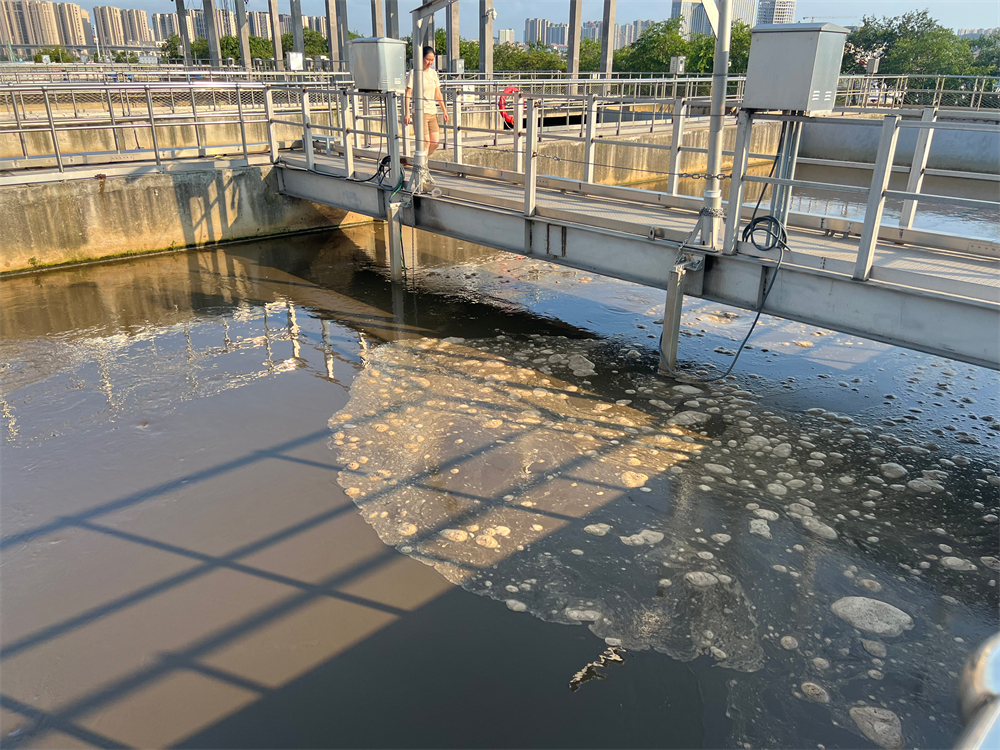
With thousands of daily visitors, water parks present the most challenging sanitation environments. Rapid chlorine depletion and rapid organic contamination require immediate detection. Multi-parameter water quality analyzers equipped with robust sensors monitor the water treatment loop continuously. By measuring conductivity (TDS) and turbidity, the system can automatically trigger backwashing cycles or fresh water intake to maintain clarity and hygiene.
2. Luxury Hotel & Resort Spas
In high-temperature hydrotherapy pools and hot tubs, chemical balances shift rapidly. High temperatures accelerate sanitizer depletion and promote biofilm growth. Incorporating precise pH and dissolved oxygen or carbon dioxide sensors ensures that the delicate balance of carbonate hardness and acidity is maintained, protecting expensive filtration plumbing from scaling while ensuring a premium guest experience.
3. Industrial Water Reclamation and Aquaculture Integration
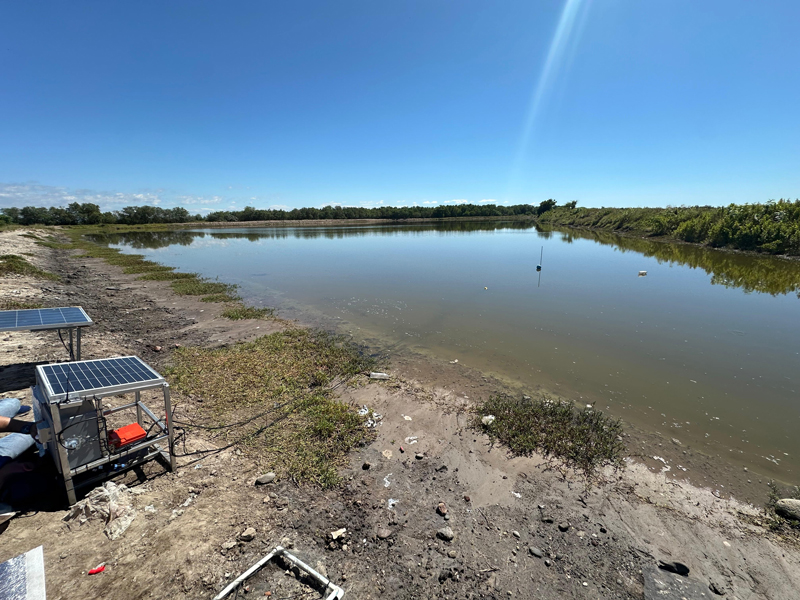
In advanced sustainable facilities, pool water backwash is reclaimed and treated for secondary uses, such as landscaping or aquaculture. Monitoring parameters like ammonia nitrogen (NH4+) and total suspended solids (TSS) in the effluent ensures that discharge water meets environmental standards and does not harm aquatic ecosystems or soil quality. Using industrial-grade RS485 sensors makes this transition seamless and highly efficient.
Technological Trends in Pool Water Monitoring
The future of pool sanitation lies in smart automation. We are witnessing a rapid adoption of:
- IoT and 4G/5G Connectivity: Remote monitoring via cloud platforms allows facility managers to oversee multiple pools across different locations from a single dashboard.
- Optical Sensing Technologies: Fluorescent and UV-absorption sensors reduce maintenance overhead by eliminating consumable reagents and offering long-term calibration stability.
- Self-Cleaning Modules: Integrated wiper blades on optical sensors prevent biofouling and scale buildup, ensuring long-term measurement accuracy in harsh pool chemical environments.