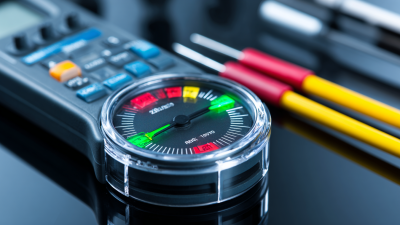
In today’s world, where keeping our water safe is more important than ever, Water Quality Analyzers really matter. Did you know that, according to the World Health Organization, about 2 billion people around the globe still don’t have access to clean, safe drinking water? That’s a huge wake-up call, highlighting just how crucial it is to have good monitoring tools. Qingdao LuminSens Marine Technology Co., Ltd. is stepping up to meet this challenge, leading the way with some pretty amazing innovations—think sensors for dissolved oxygen, turbidity, chlorophyll, and blue-green algae. These gadgets don’t just give you accurate and dependable data, but they’re also budget-friendly, making them perfect for all sorts of stuff—like farming seafood, tracking environmental changes, medical research, or industrial work. As everyone, from industries to governments, pushes more towards sustainability and safety, having high-tech Water Quality Analyzers on hand isn’t just helpful; it’s kinda essential for keeping our water safe and clean for everyone.
Top Features to Look for in Water Quality Analyzers
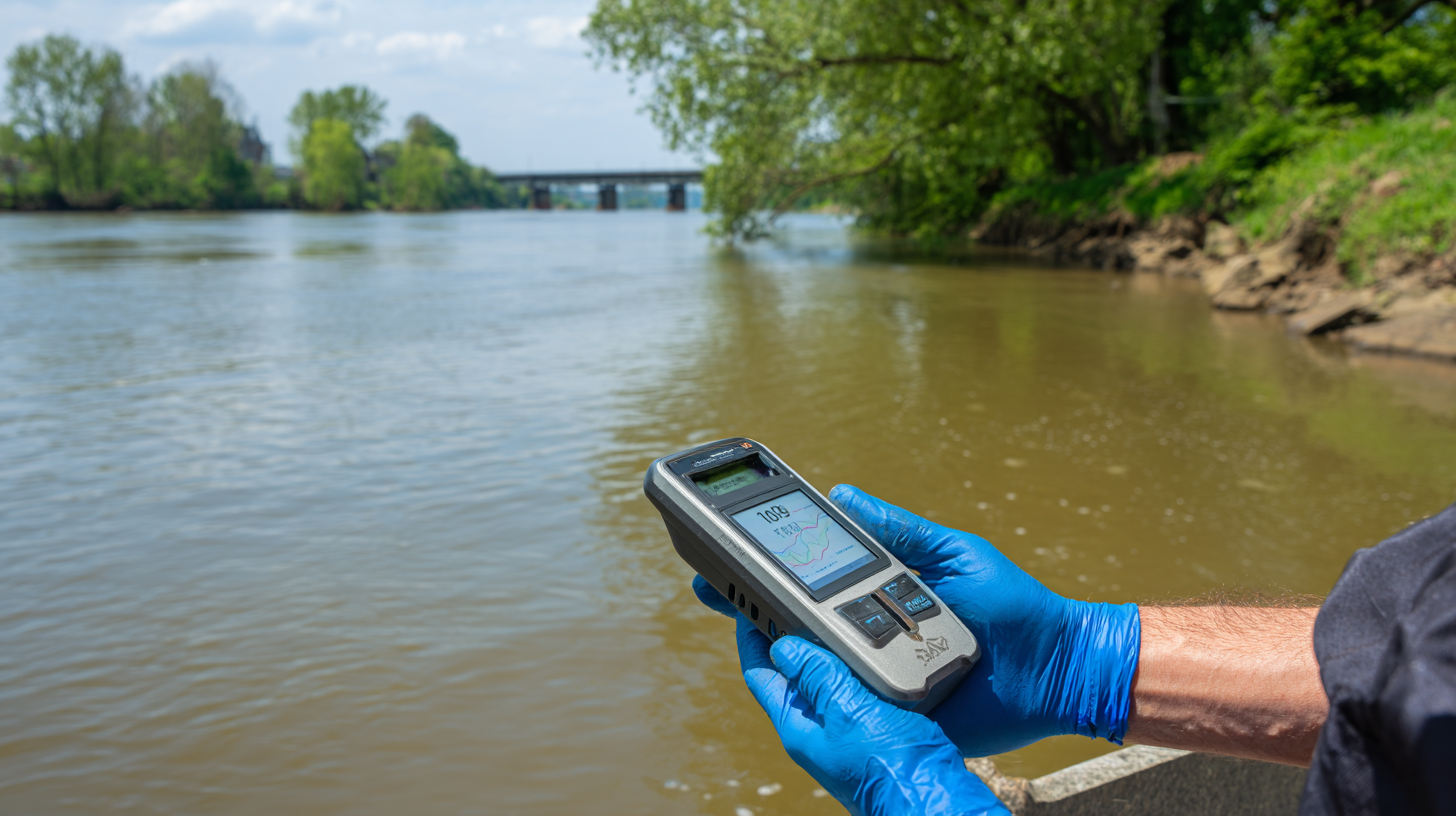
When you're choosing the best water quality analyzers, there are a few key features you really wanna look out for to make sure your water’s safe and clean. First off, it’s super important that the device can actually detect contaminants — I mean, that’s kind of the whole point, right? According to a recent report by the World Health Organization, about 2 billion people around the world still don’t have access to safe drinking water. It just highlights how crucial it is to have reliable testing tools. Nowadays, top-notch analyzers come with multi-parameter sensors that can measure everything from pH levels and turbidity to dissolved oxygen and specific nasty stuff like heavy metals. These are the tools you need for a thorough check on water quality.
Another thing to consider is how well the analyzer connects with other devices. These days, many models come with Bluetooth or Wi-Fi built right in, so you can send data straight to your phone or the cloud in real time. There was a study in the Journal of Environmental Monitoring that showed real-time data can actually boost water management practices by around 30%. That connectivity isn’t just convenient — it helps you respond faster if something’s wrong and makes keeping track of all the data much easier, which is super handy for staying compliant with regulations and making sure everything’s up to standard. All in all, those features really amp up how effective your water quality management can be.
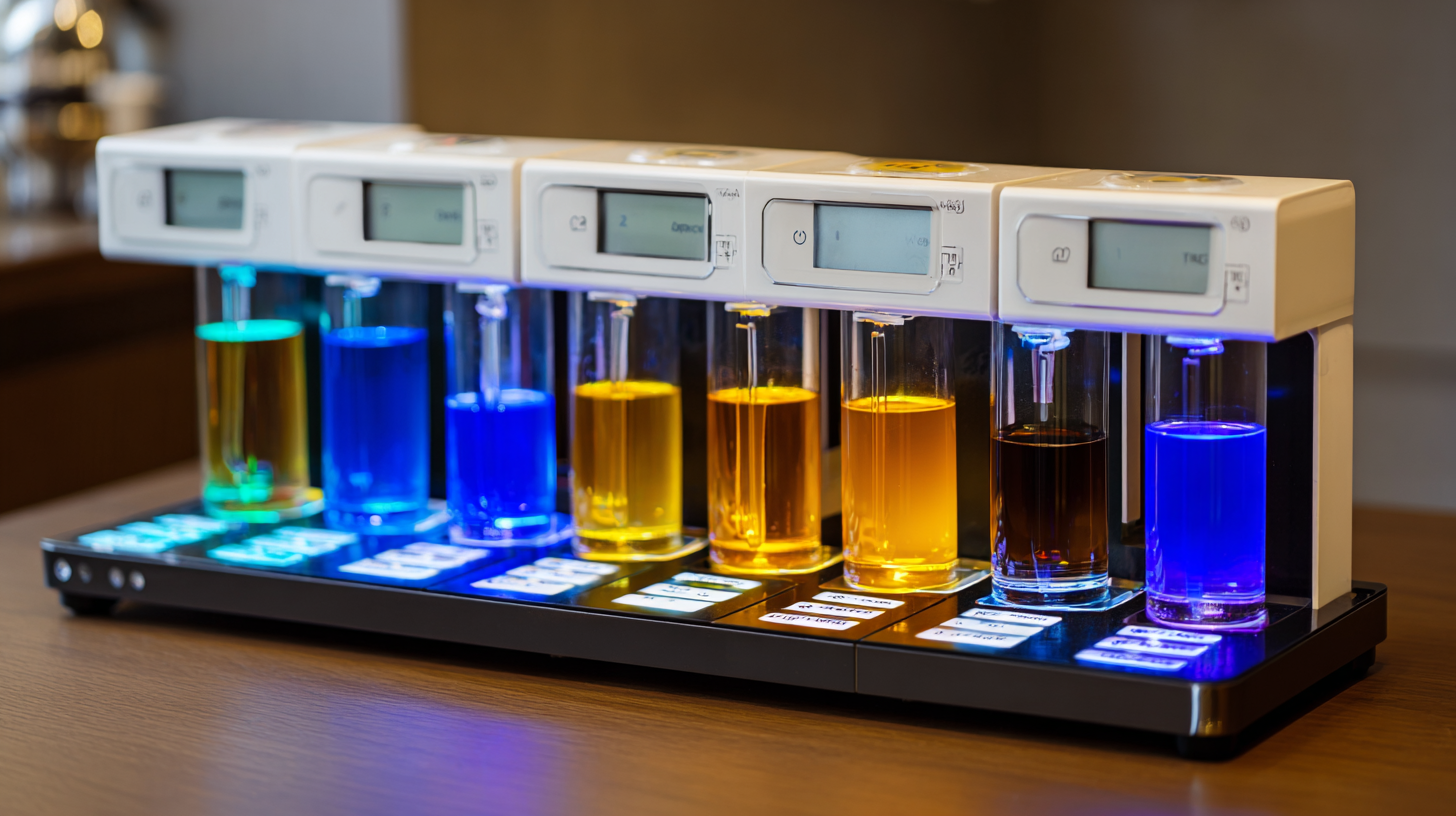
A Comparison of the Most Reliable Water Quality Analyzers
When it comes to making sure your water is safe and pure, choosing the right water quality analyzer is a pretty big deal. We've looked into some of the most reliable options out there, focusing on tech that can accurately measure key things like dissolved oxygen, turbidity, and chlorophyll levels. These measurements really matter, whether you're into aquaculture, environmental monitoring, or just trying to keep an eye on ecosystem health—since the well-being of the environment directly affects industries and communities alike.
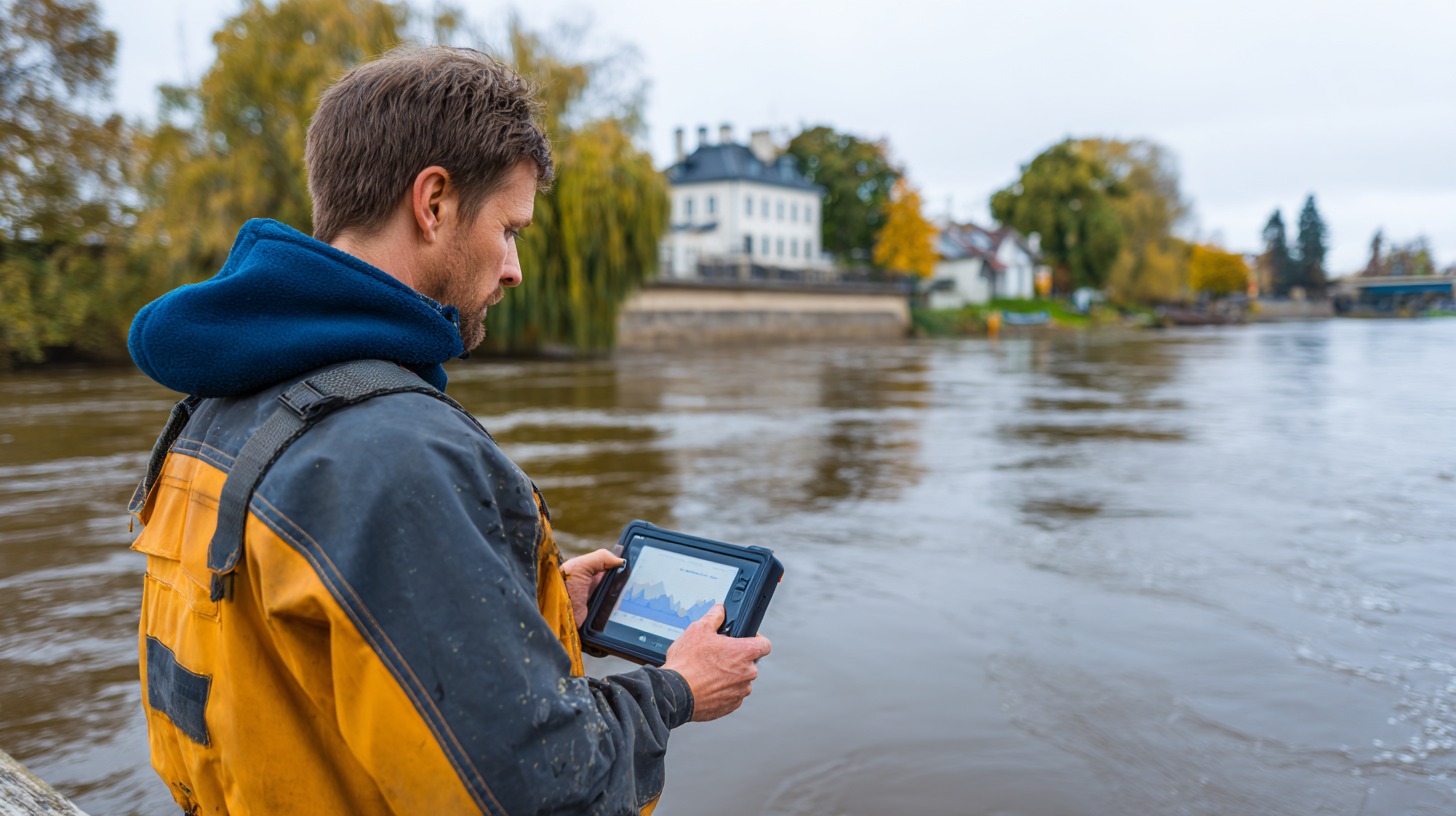
At Qingdao LuminSens Marine Technology Co., Ltd., we totally get the challenges these industries face. That’s why we’ve developed innovative sensors that are specifically designed to tackle those issues. Our advanced technology doesn’t just give accurate water quality readings; it’s also affordable and super easy to set up. Our analyzers are crucial for detecting algae blooms—like those pesky blue-green ones—and monitoring toxic contaminants, so you can be confident that your water sources are safe for people and aquatic life. By integrating our sensors into your water management systems, you'll get the precision and reliability you need to really protect the environment—and that’s what it’s all about.
How to Choose the Right Water Quality Analyzer for Your Needs
When you're trying to pick the right water quality analyzer for what you need, it's super important to think about the specific stuff you want to measure. Different analyzers are made to detect different contaminants—things like pH, turbidity, dissolved solids, or certain chemicals. Figuring out what problems are most common in your water source can really help you decide which device is best for you.
**Tip:** Don’t forget to check if the analyzer comes with good calibration and maintenance guides. A device that's well taken care of will give you more accurate readings and last longer.
Another thing to consider is how easy the analyzer is to use and whether it’s portable. If you're planning to use it in multiple spots or need to test pretty often, a lightweight and simple-to-operate model is a game-changer. Look for ones with clear, intuitive interfaces and straightforward instructions—especially if you're new to this.
**Tip:** It can also be worth looking for models that have connectivity options like Bluetooth or Wi-Fi. That way, you can easily sync data to your phone or computer and keep a better eye on water quality over time.
User Reviews: Personal Experiences with Water Quality Testers
When it comes to making sure our water's safe and clean, hearing what other folks have experienced with water quality testers can be super helpful. Honestly, a lot of people trust firsthand reviews to get a sense of how well these devices work before they buy. Like, I recently read about someone who tried out a Portable Water Tester and was pretty impressed. They said it was spot-on for measuring pH and catching any nasty contaminants. Plus, they loved how clear the digital display was—made it so easy to see the water quality at a glance. They've been taking it along on camping trips and even using it at home, which sounds pretty convenient, right?
Then there's another person who went for a more high-tech water analysis system. They really appreciated the detailed info it gave—stuff like total dissolved solids (TDS) and turbidity. They shared how this device actually helped them figure out and fix issues with their well water. After using it, their water tasted better, looked clearer, and overall, they just felt more confident about what they were drinking. Their review made it clear—regular testing really matters, especially if you're on a private water source. Sharing these personal stories lets potential buyers see beyond the specs and understand how these analyzers work in real life, offering peace of mind that comes with reliable Water Testing.
Water Quality Analyzer User Ratings
Understanding the Importance of Water Quality Testing for Health
Water quality testing is actually super important when it comes to keeping folks safe and healthy. Contaminated water? Yeah, that’s a serious risk. The WHO says that around 2 billion people around the world don’t have reliable access to clean drinking water, which can lead to nasty waterborne illnesses like cholera and dysentery. Just doing regular checks on water sources can help catch stuff like heavy metals, bacteria, and pesticides early on, making sure the water is safe to drink.
Over here in the U.S., the EPA reports that about 85% of community water systems were meeting all federal safety standards back in 2020. But that still means a good chunk of communities might be at risk of drinking unsafe water. Using some of the latest water testing tech can really make a difference – it helps spot pollutants before they turn into bigger problems. In fact, a study from the NIH found that catching water contaminants early could cut health risks by up to 60%. So yeah, investing in proper water testing isn’t just about safety; it’s about looking out for the whole community’s well-being.
Innovative Technologies in Modern Water Quality Analyzers
These days, modern water quality analyzers are really leading the charge in making sure we have safe, clean water. With tech getting smarter all the time, lots of these devices now tap into cool innovations like the Internet of Things (IoT) and machine learning. Imagine sensors that keep a constant eye on water quality, sending data in real-time — it’s like having a water watchdog that provides instant results. This means they’re way better at detecting contaminants quickly and accurately, which is crucial for keeping public health safe.
Plus, when it comes to farming and agriculture, using high-tech tools together with Water Monitoring can make a big difference for sustainability. Farmers can analyze data and automate certain tasks, helping them use water more wisely while keeping their crops healthy. It’s all about balancing water, energy, and food — the whole interconnected system. And in cities, where pollution levels are climbing, you’ll find more smart water solutions, like better sediment management systems, to help keep the environment in check. Overall, bringing these latest tech trends into the picture doesn’t just improve water monitoring — it also makes managing resources smarter and more efficient, especially in busy urban areas.
Harnessing Precision: The Role of High-Accuracy RS485 Ammonia Nitrogen Sensors in Water Quality Monitoring
In the realm of water quality monitoring, precision is paramount. The advent of high-accuracy RS485 ammonia nitrogen sensors plays a crucial role in ensuring that water sources are not only safe for consumption but also environmentally sustainable. According to a report by the World Health Organization (WHO), ammonia levels in water bodies can pose serious health risks, making accurate measurement essential for effective water treatment and compliance with environmental regulations.
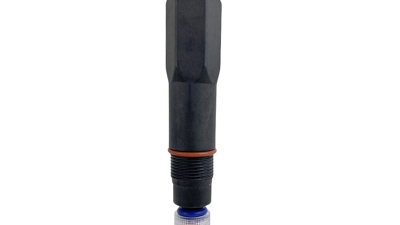
The Ammonia Nitrogen (NH4+) Sensor stands out with its robust design and eco-friendly construction, crafted from durable polymer plastic that resists harsh chemicals and environmental conditions. Its isolated power supply, ranging from 9-24VDC, guarantees stable performance with an impressive accuracy of ±5%, ensuring that users receive reliable data even in electromagnetically noisy environments. This is particularly beneficial in diverse scenarios such as surface water testing, sewage monitoring, and industrial effluent assessment, where fluctuating conditions can complicate measurements.
Moreover, the flexibility offered by custom calibration via forward/reverse curves allows this sensor to adapt to specific scenarios, enhancing its utility across different applications. Its compact structure (31mm*200mm) facilitates easy integration into existing water quality systems, while the RS-485 MODBUS output ensures seamless communication and data logging. With a focus on minimizing maintenance through its easy-to-clean, pollution-resistant design, this sensor exemplifies the advancements in technology aimed at safeguarding our water resources.
FAQS
: Key features include the ability to detect contaminants, advanced multi-parameter sensors, real-time connectivity options (Bluetooth or Wi-Fi), and ease of use. These ensure thorough and accurate water quality assessments.
Connectivity features enhance real-time monitoring and allow data to be transmitted to mobile devices or cloud services. This can improve water management practices by enabling immediate response to contamination events and maintaining detailed records for regulatory compliance.
Identify the specific contaminants in your water source, such as pH levels, turbidity, or dissolved solids. This understanding will help you narrow down your choices when selecting a water quality analyzer.
Always check if the analyzer includes comprehensive calibration and maintenance guidelines. Well-maintained devices yield more accurate readings and have a longer service life.
Look for models that are lightweight, user-friendly, and have intuitive interfaces. This makes it easier to use the analyzer in various locations and accessible even for beginners.
Yes, user reviews offer invaluable firsthand experiences and can help gauge which products are effective. Users often share their satisfaction with features like accuracy and ease of use, aiding potential buyers in making informed decisions.
Regular testing can help identify and resolve issues with water quality, such as taste and clarity, especially for those relying on private water sources, providing peace of mind about water safety.
Many users have praised portable testers for their accuracy and simplicity, making them suitable for both home use and outdoor activities like camping. Their easy-to-read displays facilitate quick understanding of water quality.
Conclusion
When it comes to making sure your water is safe and pure, picking the right Water Quality Analyzer is pretty important. In this post, we're gonna go over the key features you should look out for, so you can find and compare the most reliable models out there. We’ve put together a detailed rundown of different analyzers, which should help you figure out which one fits your specific needs best. Plus, we’ve included real user reviews—people sharing their honest experiences—which really highlight how useful water testing can be for your health.
Knowing why water quality testing truly matters is more important than ever, especially with all the new tech popping up in modern analyzers. Here at Qingdao LuminSens Marine Technology Co., Ltd., we’re proud to lead the way with innovative solutions for measuring dissolved oxygen, turbidity, chlorophyll, and blue-green algae. Our products serve a variety of industries, from aquaculture to environmental monitoring. All in all, we’re working to tackle some pretty big challenges in the industry and help create a healthier future through better water quality checks.





 Contact WhatsApp
 Contact Phone
 Contact Email